 May 2026 in “Journal of Case Reports and Scientific Images”
 Homeopathic treatment and lifestyle changes helped a teen regrow hair lost to alopecia.
 January 2026 in “Pediatria Polska”
 Early diagnosis and treatment of tinea capitis in children is crucial to prevent permanent hair loss and scarring.
 July 2025 in “Journal of Case Reports and Scientific Images”
 Homeopathy can safely help regrow hair and improve well-being in alopecia areata.
 December 2024 in “International Journal of Health Sciences and Research”
 Vitamin D is crucial for health, and deficiency can cause hair loss and other health issues.
 August 2024 in “World Journal of Biology Pharmacy and Health Sciences”
 Ayurvedic treatment effectively manages alopecia areata with fewer side effects and relapses.
Neem leaf extract combined with eucalyptus and lemongrass oils can effectively treat Tinea capitis.
 March 2024 in “Journal of Natural Remedies”
 An 18-year-old with hair loss saw hair regrowth after treatments combining microneedling, cupping, medication, and oil application.
 January 2024 in “International journal of homoeopathic sciences”
 Early intervention and patient education are crucial for managing alopecia areata.
 July 2023 in “The Egyptian Journal of Hospital Medicine ”
 Alopecia areata is a hair loss condition caused by immune factors and can be treated with JAK inhibitors.
 January 2015 in “Springer eBooks”
 Some alternative treatments may help with hair loss, but more evidence is needed to confirm their effectiveness.

The patient with total hair loss did not regrow hair despite treatment, indicating a poor outlook for this type of hair loss.
 1113 citations
,
August 1999 in “The New England Journal of Medicine”
1113 citations
,
August 1999 in “The New England Journal of Medicine” Hair follicle biology advancements may lead to better hair growth disorder treatments.
 81 citations
,
July 2011 in “Lasers in Medical Science”
81 citations
,
July 2011 in “Lasers in Medical Science” The Lexington LaserComb helped regrow hair in mice with a condition similar to human hair loss.
 74 citations
,
April 2005 in “Dermatologic Clinics”
74 citations
,
April 2005 in “Dermatologic Clinics” Minoxidil and finasteride are effective for male hair loss, minoxidil for female hair loss, and various treatments like corticosteroids work for alopecia areata; treatment should be tailored to the individual.
 72 citations
,
July 2008 in “Dermatologic Therapy”
72 citations
,
July 2008 in “Dermatologic Therapy” CCCA is a scarring hair loss condition mainly in African descent women, possibly caused by genetics and hairstyling, treated with gentle hair care and medications.
 68 citations
,
April 2012 in “Journal of Investigative Dermatology”
68 citations
,
April 2012 in “Journal of Investigative Dermatology” The conclusion is that Fgf18 and Tgf-ß signaling could be targeted for hair loss treatments.
 65 citations
,
July 2020 in “Science Advances”
65 citations
,
July 2020 in “Science Advances” Dermal exosomes with miR-218-5p boost hair growth by controlling β-catenin signaling.
 62 citations
,
June 2015 in “The Journal of Dermatology”
62 citations
,
June 2015 in “The Journal of Dermatology” People with alopecia areata have more Th17 cells and fewer Treg cells, which may be key to the condition's development.
 60 citations
,
September 2015 in “Expert Review of Clinical Immunology”
60 citations
,
September 2015 in “Expert Review of Clinical Immunology” Lymphocytes, especially CD8+ T cells, play a key role in causing alopecia areata, and targeting them may lead to new treatments.
 56 citations
,
March 2010 in “Journal of Dermatology”
56 citations
,
March 2010 in “Journal of Dermatology” Most cases of Temporal Triangular Alopecia are found in early childhood and may be related to genetic conditions.
 41 citations
,
July 2015 in “Current Drug Discovery Technologies”
41 citations
,
July 2015 in “Current Drug Discovery Technologies” Some plants may help with hair growth and have fewer side effects than synthetic drugs, but more research is needed to confirm their effectiveness.
 36 citations
,
May 2011 in “Dermatologic therapy”
36 citations
,
May 2011 in “Dermatologic therapy” No treatments fully cure or prevent alopecia areata; some help but have side effects or need more research.
 36 citations
,
November 1961 in “Archives of Dermatology”
36 citations
,
November 1961 in “Archives of Dermatology” The document suggests that the traditional understanding of hair growth cycles and alopecia may be inaccurate and that blood supply plays a significant role in hair growth and loss.
 33 citations
,
August 1985 in “Archives of Dermatology”
33 citations
,
August 1985 in “Archives of Dermatology” Acquired Progressive Kinking of Hair is likely an early sign of male pattern baldness.
 29 citations
,
June 2013 in “Journal of the Saudi Society of Dermatology & Dermatologic Surgery”
29 citations
,
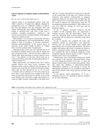
June 2013 in “Journal of the Saudi Society of Dermatology & Dermatologic Surgery” Alopecia areata is an autoimmune hair loss condition treated with corticosteroids, and histologic confirmation is the best diagnosis method.
 26 citations
,
March 2007 in “Clinical and experimental dermatology”
26 citations
,
March 2007 in “Clinical and experimental dermatology” Pimecrolimus cream is not effective for treating alopecia areata.
 25 citations
,
September 2006 in “Birth Defects Research”
25 citations
,
September 2006 in “Birth Defects Research” Different processes create patterns in skin and things like hair and feathers.
 24 citations
,
October 2012 in “Journal of Ginseng Research”
24 citations
,
October 2012 in “Journal of Ginseng Research” Korean Red Ginseng may help improve hair regrowth when used with corticosteroid injections for Alopecia Areata.
 24 citations
,
January 2008 in “KARGER eBooks”
24 citations
,
January 2008 in “KARGER eBooks” The document concludes that ongoing research using animal models is crucial for better understanding and treating Alopecia Areata.
 19 citations
,
December 2001 in “Dermatologic Therapy”
19 citations
,
December 2001 in “Dermatologic Therapy” Horizontal scalp biopsy sections are better for diagnosing alopecia areata, showing fewer hair follicles and more miniaturized hairs.