34 citations
,
July 1993 in “The journal of investigative dermatology/Journal of investigative dermatology” Human hair growth is influenced by androgen hormones, and red deer mane follicles have similar hormone receptors.
 13 citations
,
June 2007 in “Journal of Dermatological Science”
13 citations
,
June 2007 in “Journal of Dermatological Science” Researchers created a cell line to study hair growth and found specific genes affected by dihydrotestosterone.
38 citations
,
September 1997 in “The journal of investigative dermatology/Journal of investigative dermatology” A mutation in mice causes hair loss and skin issues due to a defect in a gene affecting cell adhesion.
 August 2018 in “Journal of The American Academy of Dermatology”
 The study concluded that a new method can effectively assess scalp sun damage in balding men, which increases with age and sun exposure.
 2 citations
,
January 2022 in “Skin Pharmacology and Physiology”
2 citations
,
January 2022 in “Skin Pharmacology and Physiology” Dexamethasone increases the activity of androgen receptors in human skin cells, which may link it to certain types of hair loss.
 18 citations
,
October 2023 in “Nature Communications”
18 citations
,
October 2023 in “Nature Communications” Men with baldness are more prone to skin cancers on the scalp due to sun exposure, not testosterone.
 205 citations
,
March 2012 in “Science Translational Medicine”
205 citations
,
March 2012 in “Science Translational Medicine” PGD2 stops hair growth and is higher in bald men with AGA.
 June 2016 in “Experimental Dermatology”
 Changing hair follicle identity could potentially reverse balding.
 May 2015 in “Journal of Investigative Dermatology”
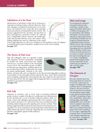
 Melanoma risk tools need improvement, a gene mutation causes a hair disorder that might be treated by managing cell stress, a potential therapy for a skin-ear disorder involves blocking cell channels, skin wrinkling may indicate lung aging regardless of smoking, and oxidative stress might contribute to common baldness.
 66 citations
,
June 2010 in “Experimental Dermatology”
66 citations
,
June 2010 in “Experimental Dermatology” The hair follicle is a great model for research to improve hair growth treatments.
 April 2023 in “Journal of Investigative Dermatology”
 The research found that certain factors in hair follicle cells control hair growth and development, and these could be used to create new treatments for hair loss.
 98 citations
,
February 2007 in “Seminars in Cell & Developmental Biology”
98 citations
,
February 2007 in “Seminars in Cell & Developmental Biology” Androgens can both stimulate and cause hair loss, and understanding their effects is key to treating hair disorders.
 126 citations
,
January 2009 in “International Journal of Trichology”
126 citations
,
January 2009 in “International Journal of Trichology” Oxidative stress contributes to hair graying and loss as we age.
 6 citations
,
January 2022 in “Journal of Investigative Dermatology”
6 citations
,
January 2022 in “Journal of Investigative Dermatology” Male pattern baldness is linked to higher levels of a certain receptor in the scalp, which leads to the shrinking of blood vessels and hair loss. Early treatment targeting this receptor could be more effective.
 4 citations
,
February 2022 in “International Journal of Molecular Sciences”
4 citations
,
February 2022 in “International Journal of Molecular Sciences” Myotonic Dystrophy may age cells faster, and drugs that target aging could be potential treatments.
 4 citations
,
January 2017 in “Annals of Dermatology”
4 citations
,
January 2017 in “Annals of Dermatology” Tianeptine may help prevent hair loss by promoting hair growth and reducing cell death.
TGF-β1 and 2 in hair follicles may be linked to hair loss in AGA.
 26 citations
,
January 2007 in “Organogenesis”
26 citations
,
January 2007 in “Organogenesis” Bioengineering can potentially treat hair loss by regenerating hair follicles and cloning hair, but the process is complex and needs more research.
 February 2011 in “Expert Review of Dermatology”
 Researchers found potential new targets for treating melanoma and nonmelanoma skin cancers, and identified a possible cause and treatment for male pattern baldness and eczema.
1 citations
,
January 2022 in “Food & Function” Certain Egyptian Sabal fruit extracts may help treat anti-androgenic diseases like benign prostatic hyperplasia.
May 2026 in “The FASEB Journal” miR-146b-5p may help treat hair loss by promoting hair growth and reducing inflammation.
 November 2018 in “Endocrine Abstracts”
 A woman's high testosterone levels were caused by a rare ovarian tumor, not the initially diagnosed condition.
 August 1993 in “Journal of Dermatological Science”
 Testosterone metabolism in balding scalp cells may not be the main cause of hair loss.
 December 2023 in “Scientific Reports”
 Scientists created cell lines from balding patients and found that cells from the front of the scalp are more affected by hormones that cause hair loss than those from the back.
 1 citations
,
February 2022 in “Experimental Dermatology”
1 citations
,
February 2022 in “Experimental Dermatology” Certain proteins are found at higher levels in balding areas compared to non-balding areas, suggesting a link to hair loss. This could be useful for diagnosing and treating hair loss.
 January 2023 in “Turk Dermatoloji Dergisi”
 Injecting a cell suspension from hair follicles increased hair density in a balding patient.
 June 2019 in “Stem Cell Research”
 Scientists created MUSIi010-A, a stem cell line from a balding man's scalp, to study hair loss and develop potential treatments.
February 2015 in “American journal of medical and biological research” Balding hair follicles have less growth-promoting factors and more inhibitory factors, leading to hair loss.
 July 2016 in “Journal of Investigative Dermatology”
 Balding scalps show different gene expressions affecting hair growth compared to non-balding scalps.
 2 citations
,
July 2018 in “Journal of Cosmetic Dermatology”
2 citations
,
July 2018 in “Journal of Cosmetic Dermatology” Common latent viruses might contribute to male-pattern baldness by disrupting cell processes that normally suppress hair loss-related proteins.