Neurotrophins may contribute to genetic hair thinning by inhibiting hair growth.
124 citations
,
April 1992 in “Journal of Endocrinology/Journal of endocrinology” Beard hair follicles have more androgen receptors than non-balding scalp hair follicles.
 September 2019 in “Journal of Investigative Dermatology”
 Dermal Papilla Cells grown in 3D and with stem cells better mimic natural hair growth conditions than cells grown in 2D.
 227 citations
,
January 1998 in “Journal of Endocrinology”
227 citations
,
January 1998 in “Journal of Endocrinology” Cells from balding scalps have more androgen receptors than cells from non-balding scalps.
 171 citations
,
July 2007 in “Journal of Investigative Dermatology”
171 citations
,
July 2007 in “Journal of Investigative Dermatology” A substance called DKK-1 increases in balding areas and causes hair cells to die when exposed to DHT.
141 citations
,
November 2007 in “Journal of Investigative Dermatology” Balding cells age faster due to stress, suggesting stress-targeting treatments for hair loss.
 46 citations
,
April 2016 in “Journal of Investigative Dermatology”
46 citations
,
April 2016 in “Journal of Investigative Dermatology” New genes found linked to balding, may help develop future treatments.
 13 citations
,
November 2010 in “Experimental Dermatology”
13 citations
,
November 2010 in “Experimental Dermatology” Vitamin C derivative reduces hair loss-related protein in cells.
 11 citations
,
April 2013 in “Journal of Proteomics”
11 citations
,
April 2013 in “Journal of Proteomics” Found different proteins in balding and non-balding cells, giving insight into hair loss causes.
31 citations
,
October 2010 in “BMB Reports” L-threonate may help prevent balding by blocking a key protein.
2 citations
,
October 2010 in “BMB Reports” L-threonate may help prevent balding by blocking a key hair loss factor.
 190 citations
,
October 2002 in “The FASEB journal”
190 citations
,
October 2002 in “The FASEB journal” Androgens may cause hair loss by increasing TGF-beta1 from scalp cells, which inhibits hair cell growth.
 34 citations
,
February 1999 in “Journal of Dermatological Science”
34 citations
,
February 1999 in “Journal of Dermatological Science” Minoxidil boosts enzymes that help hair growth.
 19 citations
,
September 2011 in “Journal of Dermatological Science”
19 citations
,
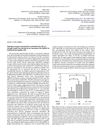
September 2011 in “Journal of Dermatological Science” TGF-β1 increases androgen receptor activity in hair loss, but Hic-5/ARA55 can counter this effect.
 4 citations
,
July 2020 in “Biochemical and Biophysical Research Communications”
4 citations
,
July 2020 in “Biochemical and Biophysical Research Communications” A protein called ectodysplasin-A2 increases a hair growth inhibitor in balding cells, which could be a target for hair loss treatment.
30 citations
,
March 1996 in “British Journal of Dermatology”  2 citations
,
January 2022 in “Skin Pharmacology and Physiology”
2 citations
,
January 2022 in “Skin Pharmacology and Physiology” Dexamethasone increases the activity of androgen receptors in human skin cells, which may link it to certain types of hair loss.
 1 citations
,
September 2020 in “Journal of Dermatological Science”
1 citations
,
September 2020 in “Journal of Dermatological Science” The gene LRRC15 is more active in balding areas of the scalp compared to non-balding areas.
34 citations
,
July 1993 in “The journal of investigative dermatology/Journal of investigative dermatology” Human hair growth is influenced by androgen hormones, and red deer mane follicles have similar hormone receptors.
 27 citations
,
September 1999 in “Journal of Investigative Dermatology”
27 citations
,
September 1999 in “Journal of Investigative Dermatology” Human skin cells contain Protease Nexin-1, and male hormones can decrease its levels, potentially affecting hair growth.
April 2017 in “Journal of Investigative Dermatology” Certain compounds can protect hair cells from aging and promote growth.
 March 1998 in “Journal of dermatological science”
 Protease Nexin-1 is found in human hair growth cells and is affected by male hormones.
 13 citations
,
June 2007 in “Journal of Dermatological Science”
13 citations
,
June 2007 in “Journal of Dermatological Science” Researchers created a cell line to study hair growth and found specific genes affected by dihydrotestosterone.
 6 citations
,
January 2022 in “Journal of Investigative Dermatology”
6 citations
,
January 2022 in “Journal of Investigative Dermatology” Male pattern baldness is linked to higher levels of a certain receptor in the scalp, which leads to the shrinking of blood vessels and hair loss. Early treatment targeting this receptor could be more effective.
 December 2023 in “Scientific Reports”
 Scientists created cell lines from balding patients and found that cells from the front of the scalp are more affected by hormones that cause hair loss than those from the back.
 August 1993 in “Journal of Dermatological Science”
 Testosterone metabolism in balding scalp cells may not be the main cause of hair loss.
173 citations
,
September 2011 in “Journal of Investigative Dermatology” IL-6 contributes to hair loss by shortening the growth phase and causing hair follicles to regress.
 November 2022 in “Journal of Investigative Dermatology”
 The research found specific genes that are more active in balding cells, which could be causing hair loss.
 January 2014 in “Journal of Investigative Dermatology”
 Proteins like aPKC and PDGF-AA, substances like adenosine and ATP, and adipose-derived stem cells all play important roles in hair growth and health, and could potentially be used to treat hair loss and skin conditions.