 196 citations
,
March 2016 in “Nature Communications”
196 citations
,
March 2016 in “Nature Communications” Genetic factors influence hair traits like shape, color, and greying in Latin Americans.
 68 citations
,
March 1965 in “The BMJ”
68 citations
,
March 1965 in “The BMJ” Hormones and genetics affect hair growth and patterns, with some changes reversible and others not.
 14 citations
,
May 2019 in “Journal of Maxillofacial and Oral Surgery”
14 citations
,
May 2019 in “Journal of Maxillofacial and Oral Surgery” FUE hair transplant is a promising method with benefits like less scarring, but requires a skilled surgeon and can damage hair follicles.
1 citations
,
October 1996 in “Dermatologic clinics” Adiponectin reduces inflammation and bone loss in joint replacements.
 January 2015 in “Springer eBooks”
 Hair health is influenced by genetics, aging, and environmental factors, with proper care needed to maintain it.
 August 2007 in “CRC Press eBooks”
 Hair loss is mainly caused by a testosterone byproduct, and hair restoration surgery uses hair from the back and sides of the scalp.
 171 citations
,
July 2007 in “Journal of Investigative Dermatology”
171 citations
,
July 2007 in “Journal of Investigative Dermatology” A substance called DKK-1 increases in balding areas and causes hair cells to die when exposed to DHT.
14 citations
,
April 2007 in “Journal of aging and health” Balding men had lower bone density, while balding women had higher hip bone density.
 126 citations
,
January 2009 in “International Journal of Trichology”
126 citations
,
January 2009 in “International Journal of Trichology” Oxidative stress contributes to hair graying and loss as we age.
 22 citations
,
May 2002 in “Skin Research and Technology”
22 citations
,
May 2002 in “Skin Research and Technology” CE-PTG detects early hair follicle issues in balding areas, helping measure male hair loss.
 7 citations
,
January 1981 in “Springer eBooks”
7 citations
,
January 1981 in “Springer eBooks” The document concludes that hair biology is complex and there are still unanswered questions about hair loss and follicle changes.
 January 2014 in “Journal of Investigative Dermatology”
 Proteins like aPKC and PDGF-AA, substances like adenosine and ATP, and adipose-derived stem cells all play important roles in hair growth and health, and could potentially be used to treat hair loss and skin conditions.
Neurotrophins may contribute to genetic hair thinning by inhibiting hair growth.
 October 2003 in “Journal of the Royal Society of Medicine”
 The book is a detailed guide on hair diseases and diagnosis, useful for skin disease experts.
 June 2016 in “Experimental Dermatology”
 Changing hair follicle identity could potentially reverse balding.
38 citations
,
September 1997 in “The journal of investigative dermatology/Journal of investigative dermatology” A mutation in mice causes hair loss and skin issues due to a defect in a gene affecting cell adhesion.
 9 citations
,
January 1992 in “Journal of Investigative Dermatology”
9 citations
,
January 1992 in “Journal of Investigative Dermatology” Sugar molecule helps hair growth, less in balding, returns with treatment.
 4 citations
,
July 2020 in “Biochemical and Biophysical Research Communications”
4 citations
,
July 2020 in “Biochemical and Biophysical Research Communications” A protein called ectodysplasin-A2 increases a hair growth inhibitor in balding cells, which could be a target for hair loss treatment.
46 citations
,
June 1983 in “Cleveland Clinic Journal of Medicine” Higher DHEAS levels may cause hair loss in women by disrupting hair growth.
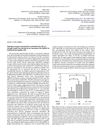 19 citations
,
September 2011 in “Journal of Dermatological Science”
19 citations
,
September 2011 in “Journal of Dermatological Science” TGF-β1 increases androgen receptor activity in hair loss, but Hic-5/ARA55 can counter this effect.
 May 2017 in “Journal of The American Academy of Dermatology”
 The treatment increased hair follicle counts and is potentially effective for male hair loss without serious side effects.
 18 citations
,
July 2016 in “Medicine”
18 citations
,
July 2016 in “Medicine” Wnt/β-catenin and TGF-β pathways affect hair loss, and activating Wnt/β-catenin could be a potential treatment.
TGF-β1 and 2 in hair follicles may be linked to hair loss in AGA.
 6 citations
,
January 2022 in “Journal of Investigative Dermatology”
6 citations
,
January 2022 in “Journal of Investigative Dermatology” Male pattern baldness is linked to higher levels of a certain receptor in the scalp, which leads to the shrinking of blood vessels and hair loss. Early treatment targeting this receptor could be more effective.
 1 citations
,
May 2017 in “InTech eBooks”
1 citations
,
May 2017 in “InTech eBooks” Hair loss in Androgenetic alopecia (AGA) is due to altered cell sensitivity to hormones, not increased hormone levels. Hair growth periods shorten over time, causing hair to become thinner and shorter. This is linked to miscommunication between cell pathways in hair follicles. There's also a change in gene expression related to blood vessels and cell growth in balding hair follicles. The exact molecular causes of AGA are still unclear.
May 2026 in “The FASEB Journal” miR-146b-5p may help treat hair loss by promoting hair growth and reducing inflammation.
 4 citations
,
December 2020 in “Journal of Dermatology”
4 citations
,
December 2020 in “Journal of Dermatology” Impaired autophagy may cause hair loss by triggering early catagen.
 2 citations
,
July 2018 in “Journal of Cosmetic Dermatology”
2 citations
,
July 2018 in “Journal of Cosmetic Dermatology” Common latent viruses might contribute to male-pattern baldness by disrupting cell processes that normally suppress hair loss-related proteins.
 December 2025 in “Zenodo (CERN European Organization for Nuclear Research)”
 Hair loss is caused by mechanical, thermal, and metabolic factors, not just hormones.
 December 2025 in “Zenodo (CERN European Organization for Nuclear Research)”
 Hair loss is caused by mechanical, thermal, and metabolic stress, not just hormones.