 March 2017 in “Journal of Dermatology”
 Different hair loss patterns may be linked to varying male hormone levels.
 29 citations
,
February 2004 in “Experimental and Clinical Endocrinology & Diabetes”
29 citations
,
February 2004 in “Experimental and Clinical Endocrinology & Diabetes” Men with early balding often have hormone levels similar to women with polycystic ovary syndrome.
 37 citations
,
June 2017 in “Journal of Investigative Dermatology”
37 citations
,
June 2017 in “Journal of Investigative Dermatology” Blocking a protein called CXXC5 with a specific peptide can stimulate hair regrowth and new hair growth in wounds.
 13 citations
,
July 2019 in “Journal of Dermatological Science”
13 citations
,
July 2019 in “Journal of Dermatological Science” Increasing alkaline phosphatase in human skin cells helps to grow more hair.
October 2022 in “The Korean Journal of Physiology and Pharmacology” Targeting the PGD2-DP2 pathway may help treat hair loss.
 May 2009 in “Hair transplant forum international”
 Androgens affect hair growth and shedding, with genetic and non-genetic factors influencing baldness.
 86 citations
,
July 2020 in “International Journal of Molecular Sciences”
86 citations
,
July 2020 in “International Journal of Molecular Sciences” Activating the Wnt/β-catenin pathway could lead to new hair loss treatments.
 2 citations
,
February 2019 in “Journal of Investigative Dermatology”
2 citations
,
February 2019 in “Journal of Investigative Dermatology” Higher levels of the DP2 receptor may lead to hair loss.
 January 2016 in “Faculty Opinions – Post-Publication Peer Review of the Biomedical Literature”
 A substance called prostaglandin D2 is found more in bald scalps and it stops hair from growing. Blocking its receptor could potentially treat hair loss.
 May 2012 in “Faculty Opinions – Post-Publication Peer Review of the Biomedical Literature”
 Prostaglandin D2, found in higher levels in bald scalps, stops hair growth, suggesting that blocking its receptor could potentially treat hair loss.
19 citations
,
August 1996 in “British Journal of Dermatology” Alopecia areata affects hair follicle structure, even in non-balding areas.
 August 1993 in “Journal of Dermatological Science”
 Testosterone metabolism in balding scalp cells may not be the main cause of hair loss.
 June 2024 in “Research Square (Research Square)”
 Increased cell death and reduced cell growth in hair follicles contribute to baldness.
 May 2004 in “Facial Plastic Surgery Clinics of North America”
 Better understanding of hair patterns and advanced techniques are crucial for improving hair restoration and removal outcomes.
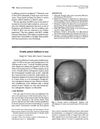 9 citations
,
November 1993 in “Journal of The American Academy of Dermatology”
9 citations
,
November 1993 in “Journal of The American Academy of Dermatology” Some men can have female pattern baldness without hormonal abnormalities or signs of feminization.
 November 2014 in “British Journal of Dermatology”
 Male hair loss is mainly due to thinner hair, not less hair.
 47 citations
,
January 2001 in “Journal of Investigative Dermatology”
47 citations
,
January 2001 in “Journal of Investigative Dermatology” High testosterone to epitestosterone ratio in hair could predict male-pattern baldness.
 20 citations
,
August 2005 in “Journal of Cutaneous Pathology”
20 citations
,
August 2005 in “Journal of Cutaneous Pathology” The protein ARA70/ELE1 is involved in male pattern baldness, and lower levels of its short form may lead to hair thinning.
2 citations
,
November 2021 in “Cell Biology International” miR-122 causes hair loss by killing hair cells.
 May 2025 in “Journal of Inflammation Research”
 Natural killer and CD8+ T cells play a key role in hair loss in androgenetic alopecia.
 7 citations
,
March 2013 in “British Journal of Dermatology”
7 citations
,
March 2013 in “British Journal of Dermatology” No genetic link between prostaglandins and hair loss found.
 March 1998 in “Journal of dermatological science”
 Protease Nexin-1 is found in human hair growth cells and is affected by male hormones.
July 2025 in “Journal of Investigative Dermatology” Reducing PEDF may help treat hair loss.
 December 2020 in “한국인그리에학회지”
 Astringent persimmon fruit extract may help increase hair length and coverage without increasing the number of hair follicles.
 November 2015 in “Hair transplant forum international”
 Early attempts at using cloned cells for hair transplants failed, but 3D cell growth showed some promise.
 2 citations
,
April 2012 in “Science-business Exchange”
2 citations
,
April 2012 in “Science-business Exchange” Blocking a protein called prostaglandin D2 might help treat hair loss.
 58 citations
,
January 2006 in “Skin Pharmacology and Physiology”
58 citations
,
January 2006 in “Skin Pharmacology and Physiology” High levels of testosterone and 5α-DHT can lead to cell death in cells important for hair growth.
 January 2023 in “Journal of Cosmetic Dermatology”
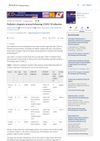
 Some children may develop hair loss after having COVID-19.
65 citations
,
May 2006 in “Journal of Investigative Dermatology” Dexamethasone may influence hair growth by altering estrogen receptor activity in hair cells.
 17 citations
,
December 2004 in “The Journal of Men's Health & Gender”
17 citations
,
December 2004 in “The Journal of Men's Health & Gender” Male pattern baldness involves hormone-related hair thinning, shorter hair, and inflammation.