June 2026 in “British Journal of Dermatology” A rare genetic mutation in the EGFR gene caused severe skin issues and other health problems in a Slovakian girl, who is now 4 years old and receiving care.
47 citations
,
April 2000 in “Experimental Dermatology” A new gene mutation causes a rare type of hair loss.
 98 citations
,
June 2001 in “Journal of biological chemistry/The Journal of biological chemistry”
98 citations
,
June 2001 in “Journal of biological chemistry/The Journal of biological chemistry” A cluster of sulfur-rich hair protein genes was found on chromosome 17.
1 citations
,
July 2007 in “Journal of Investigative Dermatology” The mutation causes hairless mice due to mislocalized and dysfunctional HR protein.
 5 citations
,
September 2013 in “The Journal of Dermatology”
5 citations
,
September 2013 in “The Journal of Dermatology” Researchers found a new mutation in the HR gene causing hair loss and skin bumps in a Pakistani family.
53 citations
,
June 2005 in “The journal of investigative dermatology/Journal of investigative dermatology” KAP genes show significant genetic variability, but its impact on hair traits is unclear.
112 citations
,
August 2012 in “The American Journal of Human Genetics” Mutations in the RBPJ gene cause Adams-Oliver Syndrome.
 30 citations
,
October 2014 in “PLOS ONE”
30 citations
,
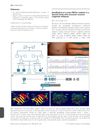
October 2014 in “PLOS ONE” BAF200 is essential for proper heart and coronary artery formation.
 23 citations
,
December 2013 in “British Journal of Dermatology”
23 citations
,
December 2013 in “British Journal of Dermatology” A new gene mutation linked to a skin condition was found in a Spanish family.
22 citations
,
February 2012 in “Journal of Investigative Dermatology” A specific gene mutation causes severe skin and nail issues and hair loss.
11 citations
,
February 2011 in “The Journal of Dermatology” Mutations in the hairless gene cause a rare form of permanent hair loss.
4 citations
,
October 2021 in “Journal of Clinical Medicine” Carriers of a specific gene mutation have subtle skin changes without visible symptoms.
9 citations
,
November 2013 in “Journal of Investigative Dermatology” Overexpressing CtBP1 in skin cells causes skin and hair problems.
The scant hair in snthr-1Bao mice is likely caused by a deletion affecting the Plcd1 gene.
62 citations
,
March 2017 in “Journal of Investigative Dermatology” Mutations in the ACTB gene cause Becker’s nevi and may lead to muscle issues in Becker’s nevus syndrome.
11 citations
,
December 2017 in “Orphanet Journal of Rare Diseases” A new mutation in the ST14 gene broadens the understanding of ichthyosis-hypotrichosis syndrome.
 7 citations
,
December 2015 in “International Journal of Dermatology”
7 citations
,
December 2015 in “International Journal of Dermatology” New and known mutations in the hairless gene cause a hair loss condition called Atrichia with papular lesions.
2 citations
,
June 2013 in “Journal of Clinical Pathology” The LMNA mutation affects skin structure even in asymptomatic carriers.
A specific gene change in APCDD1 increases the risk of hair loss.
 19 citations
,
May 2006 in “Clinical and Experimental Dermatology”
19 citations
,
May 2006 in “Clinical and Experimental Dermatology” Researchers found a new mutation causing total hair loss from birth.
34 citations
,
July 2020 in “American journal of human genetics” Changes in the SREBF1 gene cause a rare genetic skin and hair disorder.
60 citations
,
March 2006 in “Journal of Medical Genetics” A mutation in the KRTHB5 gene causes hair and nail issues.
5 citations
,
January 2015 in “Case reports in medicine” A baby was diagnosed with IFAP syndrome due to a new genetic mutation, showing severe skin and developmental issues.
39 citations
,
December 2012 in “The American Journal of Human Genetics” Mutations in the SNRPE gene cause hereditary hair loss.
66 citations
,
December 1999 in “Journal of Investigative Dermatology” New mutations in the hairless gene may cause hair loss and affect bone development.
 April 2017 in “Journal of Investigative Dermatology”
 Certain mutations in the KLHL24 gene cause a skin disorder by breaking down an important skin protein.
November 2025 in “Journal of Investigative Dermatology” A new genetic mutation causing Xeroderma Pigmentosum was found in an 8-year-old girl, affecting her DNA repair.
26 citations
,
September 2009 in “Clinical genetics” Arab APS1 patients have unique and recurrent AIRE gene mutations.
 62 citations
,
January 2004 in “The journal of investigative dermatology/Journal of investigative dermatology”
62 citations
,
January 2004 in “The journal of investigative dermatology/Journal of investigative dermatology” A second domain of high sulfur KAP genes on chromosome 21q23 is crucial for hair structure.
July 2025 in “Clinical Case Reports” A new genetic mutation in the TRPS1 gene causes Trichorhinophalangeal Syndrome, leading to specific hair, dental, and bone issues.