15 citations
,
September 2014 in “PloS one” The study found that analyzing certain cell signaling pathways is not a reliable method to tell apart two types of skin tumors.
 2 citations
,
January 2024 in “Proceedings of the National Academy of Sciences of the United States of America”
2 citations
,
January 2024 in “Proceedings of the National Academy of Sciences of the United States of America” The research created a detailed map of skin cells, showing that certain cells in basal cell carcinoma may come from hair follicles and could help the cancer grow.
January 2026 in “Medicina” CD34 is absent in most basal cell carcinoma cells but present in surrounding skin.
380 citations
,
March 2000 in “Proceedings of the National Academy of Sciences” Overexpressing GLI-1 in mice skin can cause tumors like human basal cell carcinomas.
333 citations
,
March 2000 in “Proceedings of the National Academy of Sciences” Overexpressing GLI-1 in mice skin can cause tumors like human basal cell carcinomas.
277 citations
,
October 1982 in “The Journal of Cell Biology” Basal-cell epitheliomas and the pilosebaceous tract share a unique keratin, distinguishing them from other skin areas.
133 citations
,
March 1999 in “Journal of Cutaneous Pathology” Trichoepitheliomas and some basal cell carcinomas likely come from hair follicle stem cells.
127 citations
,
August 2016 in “The oncologist” Understanding and managing side effects of hedgehog pathway inhibitors can improve treatment for advanced basal cell carcinoma.
107 citations
,
May 1999 in “Archives of Dermatological Research” Basal cell carcinoma may start from parts of tiny hair follicles.
65 citations
,
March 2004 in “Journal of Clinical Investigation” Inhibiting ornithine decarboxylase may help prevent certain skin cancers.
64 citations
,
March 2004 in “Journal of Clinical Investigation” Targeting ornithine decarboxylase can help prevent skin cancer.
 63 citations
,
May 2011 in “Clinical cancer research”
63 citations
,
May 2011 in “Clinical cancer research” The topical inhibitor CUR61414 was not effective in treating basal cell carcinoma in human trials.
61 citations
,
August 1993 in “PubMed” Basal cell epithelioma likely starts from the hair follicle's outer root sheath.
60 citations
,
October 2020 in “Nature Communications” AP-1 and TGFß work together to drive resistance in basal cell carcinoma, suggesting new treatment options.
47 citations
,
April 1978 in “Journal of Cutaneous Pathology” Basal cell epithelioma resembles fetal hair follicles, not adult or fetal skin.
45 citations
,
October 2019 in “Clinical and Experimental Dermatology” Targeted therapies promoting differentiation could help treat basal cell carcinoma by exhausting cancer stem cells.
37 citations
,
May 1998 in “Journal of Dermatological Science” Basal cell carcinoma shows keratin patterns similar to undifferentiated hair follicle cells.
26 citations
,
October 2007 in “American Journal of Dermatopathology” Basal cell carcinoma with matrical differentiation is a rare type linked to hair follicles, with .-catenin important for its development.
21 citations
,
September 2010 in “Cancer Prevention Research” Overactive signaling in hair follicles can lead to skin cancer.
 17 citations
,
June 2017 in “British Journal of Dermatology”
17 citations
,
June 2017 in “British Journal of Dermatology” The article concludes that hair loss is a common side effect of drugs treating skin cancer by blocking the hedgehog pathway, but treatment should continue, and more selective drugs might prevent this side effect.
 16 citations
,
January 2001 in “Clinical and Experimental Dermatology”
16 citations
,
January 2001 in “Clinical and Experimental Dermatology” Photodynamic therapy was effective in treating multiple scalp basal cell carcinomas with minimal side effects and good cosmetic results.
 15 citations
,
October 2014 in “Journal of Investigative Dermatology”
15 citations
,
October 2014 in “Journal of Investigative Dermatology” New treatments targeting the Hedgehog pathway can help treat advanced skin cancer but may have side effects and their effectiveness in early stages is unknown.
13 citations
,
December 1983 in “Canadian journal of zoology” Heterotypic cell contacts likely help hair matrix cells differentiate during mouse hair follicle development.
 8 citations
,
March 2014 in “American Journal of Pathology”
8 citations
,
March 2014 in “American Journal of Pathology” Damaged hair follicles make mice more prone to skin inflammation and skin cancer after UV exposure.
 8 citations
,
May 2019 in “Journal of dermatological treatment”
8 citations
,
May 2019 in “Journal of dermatological treatment” Vismodegib is effective for basal cell carcinoma but has severe side effects.
6 citations
,
March 2018 in “The American journal of dermatopathology/American journal of dermatopathology” BerEP4 and CD34 staining can help tell apart tricholemmoma from basal cell carcinoma.
3 citations
,
June 2023 in “Modern Pathology” GLI1 RNA CISH effectively identifies basal cell carcinoma but is less specific for benign follicular tumors.
3 citations
,
March 2019 in “American Journal of Dermatopathology” Recognizing rare tumor combinations is crucial for accurate diagnosis and treatment.
1 citations
,
July 2018 in “Dermatologic Surgery” Different tumor cells in one basal cell carcinoma can cause mixed treatment responses, suggesting personalized treatment is needed.
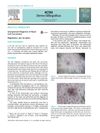 May 2015 in “Actas Dermo-Sifiliográficas”
 A young man was unexpectedly diagnosed with basal cell carcinoma after a scalp examination and confocal microscopy.