 7 citations
,
December 2004 in “Medicine”
7 citations
,
December 2004 in “Medicine” Knowing how skin works and its diseases helps doctors diagnose and treat skin conditions better.
 6 citations
,
October 2007 in “médecine/sciences”
6 citations
,
October 2007 in “médecine/sciences” Mammals can regenerate new hair follicles from skin stem cells.
1 citations
,
December 2024 in “Case Reports in Dermatology” Cyclophosphamide likely causes skin darkening by affecting hair follicles.
1 citations
,
July 2021 in “Veterinary Medicine and Science” A cat's skin condition was fully cured with cyclosporine A after other treatments failed.
1 citations
,
November 2003 in “Annals of saudi medicine/Annals of Saudi medicine” A 17-year-old in Saudi Arabia was diagnosed with a rare skin condition causing red-brown facial patches.
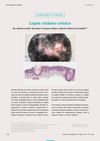 January 2024 in “Revista Dermatológica Centro Uraga”
 The patient has Chronic Cutaneous Lupus, a skin condition causing plaques and hair loss.
 February 2023 in “Mağallaẗ Tikrīt li-l-ʻulūm al-ṣirfaẗ/Tikrit journal of pure science”
 Horse skin has a layered epidermis, a dermis with hair follicles, sweat and sebaceous glands, and is supplied by small arteries.
March 2021 in “Cell stem cell” Skin cell behavior is influenced by the tightness of nearby cells, affecting their growth and development.
Spiny keratoderma is a rare skin condition with small spines on palms and soles, possibly linked to abnormal hair formation.
January 2010 in “Chinese Journal of Aesthetic Medicine” Melasma skin has more melanin and signs of aging, with strong CK10 expression linked to cell differentiation and aging.
January 2007 in “Zhonghua shiyan waike zazhi” Basal layer skin cells help form the epidermis and hair follicles.
January 2005 in “Journal of Shandong Univenity” Epidermal stem cells are in hair follicle bulge regions, and isolation and culture methods are effective.
January 2000 in “Acta Academiae Medicine Militaris Tertiae” Different keratins in hair follicles can help identify hair tumor origins.
 January 1999 in “Journal of the European Academy of Dermatology and Venereology”
 RAPK is a rare skin disorder with pigmented spots, mainly on hands and feet, starting in youth.
April 2026 in “Development” Hemidesmosomes and Notch signaling help skin cells mature by moving them to the outer layer.
 October 2023 in “Apollo medicine”
 The skin acts like an endocrine organ, producing hormones that affect various body functions and skin health, and understanding this can lead to new treatments.
September 2018 in “CRC Press eBooks” Hair and nail disorders can cause changes in scalp pigmentation, especially with sun exposure and alopecia.

Lichen planopilaris and frontal fibrosing alopecia are likely the same disease with different clinical appearances.
121 citations
,
December 2001 in “American Journal of Dermatopathology” TB and BCC tumors show similar follicular differentiation patterns.
 10 citations
,
December 1999 in “Journal of The American Academy of Dermatology”
10 citations
,
December 1999 in “Journal of The American Academy of Dermatology” The technique of using a skin and hair graft from behind the ear successfully reconstructed a large eyebrow defect with good cosmetic results.
 May 2007 in “Faculty Opinions – Post-Publication Peer Review of the Biomedical Literature”
 Hair can regrow in adult mice's skin after injury, and this regrowth doesn't come from existing hair cells but from skin cells in the wound, with Wnt7a protein helping this process. This could help treat baldness and scarring.
1 citations
,
April 2018 in “Journal of Investigative Dermatology” Lower proximal cup cells, not bulge stem cells, regenerate hair follicles after chemotherapy.

Aging disrupts skin repair and stress responses, but exercise-related IL-15 improves wound healing and skin health in older skin.
 May 1999 in “Dermatologic Surgery”
 Dr. Zitelli emphasized that "Mohs surgery" should only be called that when one doctor does both the surgery and pathology.
37 citations
,
February 2007 in “Experimental Dermatology” Increasing PDCD4 protein may help prevent or treat some skin cancers.
20 citations
,
December 1995 in “Veterinary Dermatology” Yorkshire Terriers with Colour Dilution Alopecia have reduced melanin and hair structure issues.
 11 citations
,
January 2012 in “Journal of cell science”
11 citations
,
January 2012 in “Journal of cell science” Rac1 is essential for proper hair structure and color.
 2 citations
,
December 2022 in “Journal of toxicologic pathology”
2 citations
,
December 2022 in “Journal of toxicologic pathology” Skin structure complexity and variability are crucial for assessing skin toxicity in safety tests.

Melanocyte transplantation can safely restore skin color, especially in stable vitiligo, but must be chosen carefully based on the disease phase.
 April 2016 in “Journal of Investigative Dermatology”
 Lymphoid-specific helicase (Lsh) is crucial for skin growth, change, and healing after injury.