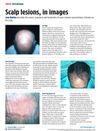
 January 2015 in “Independent Nurse”
 Different scalp conditions can lead to hair loss or tumors, with treatments varying from creams to surgery; early detection is crucial.
 8 citations
,
June 2014 in “PubMed”
8 citations
,
June 2014 in “PubMed” Men are more likely to have larger basal cell carcinomas and squamous cell carcinomas, while women have more superficial basal cell carcinomas and tumors on their legs and central face.
 March 2026 in “Dermatopathology”
 A rare skin tumor with extra hair growth was found and safely removed from a 27-year-old woman.
4 citations
,
January 2017 in “Journal of veterinary medical science” A dog had a rare skin tumor called desmoplastic tricholemmoma.
March 2026 in “The Journal of Dermatology” Hair transplantation in nevus sebaceus maintains hair cycling but doesn't prevent tumor growth; complete excision is recommended.
5 citations
,
January 2021 in “Indian Journal of Pathology and Microbiology” A rare eyelid tumor was successfully diagnosed and removed, highlighting the need for careful examination.
 December 2017 in “British Journal of Dermatology”
 Targeted therapy for skin cancer is complex due to the role of the hedgehog pathway in both cancer and hair growth.
18 citations
,
January 2009 in “Experimental Dermatology” mTOR may link different pathways in hair follicle tumor formation.
September 2024 in “Journal of the American Academy of Dermatology” 2 citations
,
May 2022 in “The journal of immunology/The Journal of immunology” BST2 protein and certain T cells increase in early alopecia areata.
1 citations
,
March 2014 in “Journal of Innovative Optical Health Sciences” Hair structure worsens as tumors grow in mice.
 8 citations
,
August 2007 in “Histopathology”
8 citations
,
August 2007 in “Histopathology” Different growth patterns in thyroid tumors are influenced by where cell growth and death occur.
4 citations
,
August 1991 in “The Journal of Dermatology” The tumor on the man's nose was a rare type called pedunculated follicular hamartoma.
157 citations
,
October 2002 in “Journal of Cutaneous Pathology” p63 may influence skin cancer development and cell differentiation.
 December 2025 in “SAS Journal of Medicine”
 Trichofolliculoma is a rare, benign scalp tumor that can be cured by surgical removal.
The treatment was ineffective in humans.
 8 citations
,
June 2016 in “Journal of Cutaneous Pathology”
8 citations
,
June 2016 in “Journal of Cutaneous Pathology” Two women were diagnosed with a rare melanoma that looked like hair loss but was actually a type of skin cancer.
 January 2026 in “International Journal of Research and Innovation in Applied Science”
 Recognizing specific markers is crucial for correctly diagnosing and treating rare multifocal MPTT in males.
5 citations
,
June 2016 in “University of Zagreb University Computing Centre (SRCE)” Most canine follicular tumors in Croatia are benign, but some can be malignant, so testing is important.
18 citations
,
July 2010 in “Journal of the American Academy of Dermatology” Folliculotropic mycosis fungoides can look like alopecia areata.
 7 citations
,
December 2021 in “Curēus”
7 citations
,
December 2021 in “Curēus” Breast cancer skin metastases are rare, look different, and can be confused with other skin issues, so a biopsy is needed for accurate diagnosis.
 1 citations
,
February 2017 in “Clinical Dermatology Open Access Journal”
1 citations
,
February 2017 in “Clinical Dermatology Open Access Journal” A rare benign tumor was found in a man's scrotum, highlighting the need for accurate diagnosis.

Skin tumor cells in patients with tuberous sclerosis have higher levels of a protein called cathepsin B.
 15 citations
,
April 2017 in “Cell Stem Cell”
15 citations
,
April 2017 in “Cell Stem Cell” Some brain cancer cells avoid immune system detection, and certain treatments could target this to slow their growth; also, certain fat cell precursors help regenerate hair and skin after injury.
9 citations
,
January 2011 in “American Journal of Dermatopathology” Pilomatrixoma involves abnormal hair keratin production and cell death, causing debris and cysts.
38 citations
,
June 2005 in “International Journal of Dermatology” A man with nevus comedonicus syndrome had multiple skin issues, including basal cell carcinomas, which improved with treatment.
July 2019 in “Cancer Research” Bone marrow and hair follicle cells help form skin tumors, suggesting new treatment targets.
 April 2018 in “Journal of Investigative Dermatology”
 The document concludes that ERBB2 mutations are common in extramammary Paget disease and may respond to systemic treatments like cancer immunotherapy.
 18 citations
,
September 2006 in “Dermatologic Surgery”
18 citations
,
September 2006 in “Dermatologic Surgery” Aggressive scalp squamous cell carcinomas have a high death rate and need early, strong treatment.
January 2016 in “Dermatology online journal” A 15-year-old girl has a benign skin tumor on her neck.