20 citations
,
August 2005 in “The Journal of laboratory and clinical medicine” Mice with damaged skin or hair follicles are more susceptible to anthrax infection.
 12 citations
,
January 2019 in “Journal of Endocrinology”
12 citations
,
January 2019 in “Journal of Endocrinology” Baicalin may help reduce excessive male hormone levels in PCOS.

A man with four autoimmune diseases suggests a new category for multiple autoimmune syndrome.
46 citations
,
November 2022 in “The Journal of Dermatology” Bullous pemphigoid is influenced by genetic factors, immune cell dysfunction, aging, and triggers, with treatment often improving symptoms.
2 citations
,
February 2018 Raman spectroscopy can help identify cancerous skin tissue during surgery.
 21 citations
,
November 2009 in “Dermatologic Clinics”
21 citations
,
November 2009 in “Dermatologic Clinics” The document suggests that certain protein deficiencies and scalp blistering in Epidermolysis Bullosa may cause hair loss.
 April 2023 in “Journal of Investigative Dermatology”
 The specific skin disease variant p.(Arg2000Trp) in plectin can cause a wide range of symptoms, which should be considered when diagnosing patients.
 1 citations
,
April 2019 in “Journal of Investigative Dermatology”
1 citations
,
April 2019 in “Journal of Investigative Dermatology” Patients with autoimmune blistering diseases experience a reduced quality of life, with the need for better measurement tools, especially for those with mucous membrane pemphigoid.
October 2017 in “Data Archiving and Networked Services (DANS)” Current SLE classifications need refinement, and the complement system is a key therapeutic target.
50 citations
,
February 2007 in “The Journal of Pathology” Somatic BHD mutations are rare in Japanese renal tumors.
34 citations
,
April 2012 in “Molecular Biology Reports” The enzyme from Bacillus cereus can be used in detergents and leather processing.
3 citations
,
March 1966 in “Archives of Dermatology” Nevoid basal cell carcinomas start in the skin's top layer and hair follicles.
60 citations
,
October 2020 in “Nature Communications” AP-1 and TGFß work together to drive resistance in basal cell carcinoma, suggesting new treatment options.
 February 2009 in “Journal of The American Academy of Dermatology”
 The document concludes that detailed clinical descriptions of seven family cases help understand dominant dystrophic epidermolysis bullosa's symptoms and inheritance.
 April 2024 in “Journal of burn care & research”
 Surgery for burn scar alopecia often involves multiple procedures, and treatment options should be more accessible to improve self-image.
32 citations
,
May 1999 in “Biochemical and Biophysical Research Communications” A new enzyme, BSSP, is found in high amounts in the hair follicles of nude mice.
January 1998 in “Differentiation” Basonuclin is crucial for hair follicle development and cycling in mice.
February 2026 in “Biophysical Journal” September 2019 in “Journal of Investigative Dermatology” CCCA in women of African ancestry may be caused by PADI3 gene mutations and intense hair grooming.
 18 citations
,
December 2009 in “Canadian Journal of Animal Science”
18 citations
,
December 2009 in “Canadian Journal of Animal Science” The BMP2 gene is more active in the early growth phase of Cashmere goat hair and may affect hair regeneration and textile production.
 February 2014 in “Revista Argentina de Cardiología”
 Androgens may increase arrhythmias in Brugada Syndrome, while Finasteride could reduce them.
21 citations
,
May 2021 in “Materials & Design” The EEB25 sponge effectively heals wounds with antibacterial and anti-inflammatory properties.
 1 citations
,
January 2014 in “Journal of Cosmetics, Dermatological Sciences and Applications”
1 citations
,
January 2014 in “Journal of Cosmetics, Dermatological Sciences and Applications” The document's conclusion cannot be provided because the content is not available to parse.
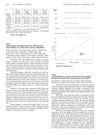 April 2013 in “The Journal of Urology”
 Researchers created a simple tool to predict bladder blockage from prostate enlargement using urine flow rate and prostate volume.
28 citations
,
September 1998 in “Journal of Investigative Dermatology” Two distinct caspases in human skin help with cell death and skin formation.
 September 2019 in “Journal of Investigative Dermatology”
 Scientists used stem cells to create a model of the skin disease Epidermolysis Bullosa simplex, which helped them understand its molecular mechanisms and could aid in finding treatments.
7 citations
,
May 2008 in “Journal of Veterinary Internal Medicine” A cat had a rare severe reaction to fenbendazole, but recovered with treatment.
 14 citations
,
January 2013 in “Hormone and Metabolic Research”
14 citations
,
January 2013 in “Hormone and Metabolic Research” The severity of symptoms in nonclassical congenital adrenal hyperplasia is not determined by CYP21A2 gene variations.
2 citations
,
January 2023 in “Skin Appendage Disorders” Beard alopecia areata causes patchy beard hair loss, often treatable with janus kinase inhibitors.
June 2026 in “JAAD Case Reports” The patient's scalp plaques were caused by impetigo and successfully treated with antibiotics.