 11 citations
,
October 2018 in “Pediatric dermatology”
11 citations
,
October 2018 in “Pediatric dermatology” Leflunomide and anthralin may effectively treat severe alopecia areata.
 1 citations
,
September 2022 in “Journal of The American Academy of Dermatology”
1 citations
,
September 2022 in “Journal of The American Academy of Dermatology” Baricitinib helps grow eyebrows and eyelashes in severe alopecia areata patients.
25 citations
,
May 2011 in “Dermatologic therapy” New treatments for alopecia areata may target specific immune cells and pathways involved in hair loss.
14 citations
,
August 2024 in “JBMR Plus”  March 2026 in “Voprosy dermatologii i venerologii/Dermatologiâ ža̋ne veneralogiâ ma̋selelerì”
 Expand access to prevention and address barriers for sex workers in Kostanay.
 May 2014 in “Journal of The American Academy of Dermatology”
 The number of new cases of cutaneous B-cell lymphoma has leveled off since the early 2000s, and survival rates have improved since 1973.
266 citations
,
January 2016 in “Development” YAP and TAZ are crucial for skin cell growth and repair.
11 citations
,
January 1999 in “Dermatology” June 2005 in “Journal of Investigative Dermatology” A bull with a gene mutation was asymptomatic, synthetic retinoids cause hair loss, and new therapeutic targets were identified for skin diseases.
11 citations
,
February 2022 in “JAAD case reports” Abrocitinib, a JAK inhibitor, may help treat atopic dermatitis and alopecia universalis together.
14 citations
,
March 1987 in “Journal of Investigative Dermatology” September 2025 in “Asian journal of pediatric dermatology.” Abrocitinib helped a 14-year-old girl with severe alopecia areata regrow her hair significantly.
28 citations
,
March 2013 in “Journal of Investigative Dermatology” Kv1.3 blockers may help treat alopecia areata and promote hair regrowth.
 June 2025 in “bioRxiv (Cold Spring Harbor Laboratory)”
 In alopecia areata, certain immune cells increase and express a protein linked to immune activation.
 6 citations
,
July 2015 in “Australasian Journal of Dermatology”
6 citations
,
July 2015 in “Australasian Journal of Dermatology” A man developed an allergic skin reaction after using brimonidine for rosacea.
37 citations
,
January 2006 in “Carcinogenesis” Antizyme slows skin tumor growth by reducing cell growth in mice.
 1 citations
,
October 2018 in “Infectious diseases in clinical practice”
1 citations
,
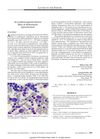
October 2018 in “Infectious diseases in clinical practice” Azithromycin can rarely cause a severe drop in white blood cells.
 2 citations
,
April 2025 in “Cureus”
2 citations
,
April 2025 in “Cureus” Ki-67 levels do not predict treatment response in triple-negative breast cancer.
62 citations
,
March 2017 in “Journal of Investigative Dermatology” Mutations in the ACTB gene cause Becker’s nevi and may lead to muscle issues in Becker’s nevus syndrome.
July 2025 in “Arab Board Medical Journal” NF-κB levels can help diagnose and assess the severity of androgenetic alopecia.
 July 2023 in “New phytologist”
 The BUZZ gene is important for root hair growth and overall root structure in the plant Brachypodium distachyon.
November 1997 in “Open Archive (Karolinska Institutet)” PTCH gene mutations contribute to basal cell carcinoma development.
September 2023 in “Zenodo (CERN European Organization for Nuclear Research)” The document's conclusion cannot be determined because the content is not available.
 April 2018 in “Journal of Investigative Dermatology”
 IL-17C is important in inflammatory skin diseases and could be a target for treatment.
December 2025 in “Frontiers in Nutrition” The albumin change rate helps predict treatment success in AIDS-related non-Hodgkin lymphoma.
 November 2022 in “The journal of investigative dermatology/Journal of investigative dermatology”
 The study suggests a link between varicella-zoster virus and segmental vitiligo, with evidence of the virus disrupting skin pigment cells.
6 citations
,
May 2022 in “Pharmaceutics” Zinc pyrithione dissolves quickly on the skin and in hair follicles, especially in smaller particles.
 December 2025 in “Journal of Ovarian Research”
 Vitamin B6 may help activate dormant follicles.
1 citations
,
January 2009 in “The Open Dermatology Journal” Chemotherapy caused nail grooves and separation, but they healed after treatment stopped.