 15 citations
,
November 2020 in “Pharmaceutics”
15 citations
,
November 2020 in “Pharmaceutics” Tofacitinib nanoparticles can safely and effectively treat alopecia areata by targeting hair follicles.
 1 citations
,
November 2008
1 citations
,
November 2008 Yonnyuniksoogobon-dan taken orally promotes hair growth by affecting growth factors in hair roots.
 4 citations
,
October 2011 in “International Journal of Dermatology”
4 citations
,
October 2011 in “International Journal of Dermatology” Bardet-Biedl syndrome may include under-recognized skin problems related to its metabolic disturbances.
 November 2024 in “International Journal of Research in Dermatology”
 SesZen-BioTM improves skin health and reduces signs of aging.
September 2023 in “World Rabbit Science” The FRZB gene slows hair growth in rabbits.
 February 2026 in “Molecules”
 BBR-SA nanomedicine is a safe and effective treatment for breast cancer.
February 2026 in “International Journal of Pharmaceutics” 1 citations
,
October 2021 in “bioRxiv (Cold Spring Harbor Laboratory)” Heat shock proteins help basal cell carcinoma grow by responding to inflammation signals.
8 citations
,
June 2023 in “European Journal of Endocrinology” The inhibitor affects androgen metabolism but not ovarian function.
June 2023 in “Zenodo (CERN European Organization for Nuclear Research)” February 2025 in “Skin Appendage Disorders” Upadacitinib helps most people with alopecia regrow hair quickly and is generally safe.
 November 2023 in “Advanced Science”
 A specific hair protein variant increases the spread of breast cancer and is linked to worse survival rates.
1 citations
,
June 2007 in “Journal of Clinical Oncology” Weekly bicalutamide is safe and effective, with 50 mg/week recommended.
87 citations
,
March 2013 in “Expert Review of Anticancer Therapy” Afatinib often causes skin problems that need proactive management.
 June 2023 in “Journal of Clinical Oncology”
 CDK4/6 inhibitors may cause hair loss in breast cancer patients.
 May 2021 in “Zenodo (CERN European Organization for Nuclear Research)”
 Biotin may help hair and nails grow.
 April 2023 in “The journal of investigative dermatology/Journal of investigative dermatology”
 The protein p21 is more abundant in normal skin cells than in melanoma cells and may help protect against melanoma, with UVB light affecting its levels.
1 citations
,
April 2010 in “Cancer Research” WYE-130600 may cause skin thickening and irritation.
21 citations
,
June 1983 in “Pediatric clinics of North America/The Pediatric clinics of North America” Zinc is vital for skin health and overall body functions, and deficiency can cause serious health issues.
January 2017 in “British journal of dermatology/British journal of dermatology, Supplement” 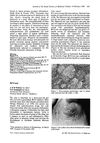 2 citations
,
February 1981 in “Journal of the Royal Society of Medicine”
2 citations
,
February 1981 in “Journal of the Royal Society of Medicine” A three-year-old girl survived a rare serious infection caused by BCG vaccination, which improved after treatment with a leprosy drug.
March 2003 in “Best Practice & Research Clinical Haematology” December 2021 in “Figshare” BBS7 is crucial for maintaining healthy gums by regulating important signaling pathways.
23 citations
,
December 1977 in “Virchows Archiv B Cell Pathology” January 2013 in “Kidney international” A man with kidney tumors and lung cysts was diagnosed with Birt–Hogg–Dubé syndrome and treated successfully, with genetic testing confirming the diagnosis.
 January 2026 in “Frontiers in Molecular Biosciences”
 A new method helps diagnose alopecia areata using specific gene markers and could guide targeted treatments.
26 citations
,
September 2013 in “Journal of Dermatological Science” Serum granulysin levels can indicate the activity and prognosis of alopecia areata.
December 2025 in “International Journal of Dermatology” Björnstad syndrome can cause hair loss similar to androgenetic alopecia, and treatment with baricitinib and minoxidil may help.
21 citations
,
December 2006 in “Archives of dermatology” A kidney transplant patient developed pink skin bumps with spiny centers on her face and limbs.
July 2022 in “Journal of Investigative Dermatology” Arg1+ macrophages may play a role in Alopecia Areata, offering new treatment targets.