 52 citations
,
September 2018 in “International Journal of Molecular Sciences”
52 citations
,
September 2018 in “International Journal of Molecular Sciences” Ginseng and its compounds may help hair growth and prevent hair loss, but more human trials are needed to confirm this.
 36 citations
,
September 2009 in “Journal of Cellular and Molecular Medicine”
36 citations
,
September 2009 in “Journal of Cellular and Molecular Medicine” New treatments targeting skin stem cells show promise for skin repair, anti-aging, and cancer therapy.
 25 citations
,
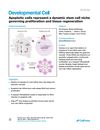
June 2021 in “Developmental Cell”
25 citations
,
June 2021 in “Developmental Cell” Dying cells can help with faster healing and new hair growth by releasing a growth-promoting molecule.
 9 citations
,
January 2021 in “RSC Advances”
9 citations
,
January 2021 in “RSC Advances” Non-thermal plasma helps hair grow by improving the area around hair follicles.
 3 citations
,
July 2020 in “Frontiers in Cell and Developmental Biology”
3 citations
,
July 2020 in “Frontiers in Cell and Developmental Biology” Vitexin Compound 1 may help reduce skin aging caused by UVA light.
 2 citations
,
November 2025 in “Journal of Ovarian Research”
2 citations
,
November 2025 in “Journal of Ovarian Research” Reducing granulosa cell pyroptosis may improve oocyte maturation in PCOS.
 2 citations
,
August 2018 in “Korean Journal of Plant Resources”
2 citations
,
August 2018 in “Korean Journal of Plant Resources” Oregonin from Alnus japonica may help prevent hair loss and promote hair growth.
 January 2024 in “GeroScience”
 Using radiation to make mice's hair turn gray helps study and find ways to prevent or reverse hair graying.
 November 2023 in “Frontiers in cell and developmental biology”
 Hair aging is caused by stress, hormones, inflammation, and DNA damage affecting hair growth and color.

Tacrolimus causes fewer acute rejections than cyclosporin A in kidney transplants but doesn't necessarily improve kidney function after one year; cardiovascular risks and side effects vary between the two drugs.
 176 citations
,
January 2003 in “Journal of Investigative Dermatology”
176 citations
,
January 2003 in “Journal of Investigative Dermatology” Bone Morphogenetic Proteins (BMPs) help control skin health, hair growth, and color, and could potentially be used to treat skin and hair disorders.
 January 2004 in “Dermatologic Surgery”
 Storing hair follicles in a special buffer with certain inhibitors can increase hair growth and improve transplant results.
 86 citations
,
December 2001 in “Experimental dermatology”
86 citations
,
December 2001 in “Experimental dermatology” Mutant mice help researchers understand hair growth and related genetic factors.
 401 citations
,
January 2013 in “Postepy Dermatologii I Alergologii”
401 citations
,
January 2013 in “Postepy Dermatologii I Alergologii” The paper concludes that understanding melanocyte development can help in insights into skin diseases and melanoma diversity.
 277 citations
,
June 2003 in “The journal of investigative dermatology. Symposium proceedings/The Journal of investigative dermatology symposium proceedings”
277 citations
,
June 2003 in “The journal of investigative dermatology. Symposium proceedings/The Journal of investigative dermatology symposium proceedings” Epithelial-mesenchymal interactions control hair growth cycles through specific molecular signals.
 236 citations
,
July 2001 in “Trends in Molecular Medicine”
236 citations
,
July 2001 in “Trends in Molecular Medicine” Future hair loss treatments should aim to extend hair growth, reactivate resting follicles, reverse shrinkage, and possibly create new follicles, with gene therapy showing promise.
 233 citations
,
November 2002 in “The journal of investigative dermatology/Journal of investigative dermatology”
233 citations
,
November 2002 in “The journal of investigative dermatology/Journal of investigative dermatology” Creating stronger blockers for skin enzymes might lead to better treatment for conditions like acne and excessive hair growth.
 224 citations
,
March 2006 in “Seminars in Cutaneous Medicine and Surgery”
224 citations
,
March 2006 in “Seminars in Cutaneous Medicine and Surgery” The document concludes that understanding hair follicle biology can lead to better hair loss treatments.
 218 citations
,
January 2013 in “The Lancet Oncology”
218 citations
,
January 2013 in “The Lancet Oncology” Chemotherapy causes hair loss by damaging hair follicles and stem cells, with more research needed for prevention and treatment.
 199 citations
,
January 2004 in “The International Journal of Developmental Biology”
199 citations
,
January 2004 in “The International Journal of Developmental Biology” Hair follicle growth and development are controlled by specific genes and molecular signals.
 195 citations
,
January 2008 in “Photochemistry and Photobiology”
195 citations
,
January 2008 in “Photochemistry and Photobiology” Visible light can damage skin and most sunscreens don't block it well; more research is needed on its effects and protection methods.
 150 citations
,
October 2010 in “The American Journal of Pathology”
150 citations
,
October 2010 in “The American Journal of Pathology” The document concludes that more research is needed to better understand and treat primary cicatricial alopecias, and suggests a possible reclassification based on molecular pathways.
 126 citations
,
January 2009 in “International Journal of Trichology”
126 citations
,
January 2009 in “International Journal of Trichology” Oxidative stress contributes to hair graying and loss as we age.
 125 citations
,
May 2019 in “Phytomedicine”
125 citations
,
May 2019 in “Phytomedicine” Cepharanthine is a well-tolerated drug with multiple medical uses, including anti-inflammatory and anti-cancer properties.
 120 citations
,
October 2007 in “Clinical Interventions in Aging”
120 citations
,
October 2007 in “Clinical Interventions in Aging” Estrogens help reduce skin aging, and SERMs might offer similar benefits without the risks of hormone therapy.
 104 citations
,
January 2016 in “Food & Function”
104 citations
,
January 2016 in “Food & Function” Olive oil compounds may help prevent cancer in animals, but human results are mixed.
 103 citations
,
December 2011 in “Journal of the American Academy of Dermatology”
103 citations
,
December 2011 in “Journal of the American Academy of Dermatology” Chemotherapy often causes temporary hair loss, which is distressing and needs better treatment and support.
 101 citations
,
January 1997 in “Journal of Investigative Dermatology Symposium Proceedings”
101 citations
,
January 1997 in “Journal of Investigative Dermatology Symposium Proceedings” Nerves and chemicals in the body can affect hair growth and loss.
 85 citations
,
July 2012 in “Cold Spring Harbor perspectives in biology”
85 citations
,
July 2012 in “Cold Spring Harbor perspectives in biology” The skin protects the body and is constantly renewed by stem cells; disruptions can lead to cancer.
 82 citations
,
August 2006 in “Pharmacology, Biochemistry and Behavior”
82 citations
,
August 2006 in “Pharmacology, Biochemistry and Behavior” Certain steroids in the brain affect mood and symptoms of depression, and treatments targeting these steroids show promise for improving these symptoms.