 1 citations
,
June 2018 in “International Journal of Dermatology”
1 citations
,
June 2018 in “International Journal of Dermatology” DNCB is highly effective for treating alopecia areata with minimal long-term side effects.
12 citations
,
January 1987 in “Ophthalmic Paediatrics and Genetics” Early diagnosis and treatment of biotinidase deficiency are crucial to prevent vision problems.
March 2021 in “Bangladesh Journal of Child Health” Overweight and obese children in Bangladesh show signs of altered glucose metabolism, indicating a need for screening.
 6 citations
,
February 2023 in “Plant and Soil”
6 citations
,
February 2023 in “Plant and Soil” Bacillus subtilis strain WM13-24 helps plant root growth through volatile compounds.
19 citations
,
July 2004 in “Journal of Medical Primatology” Infant baboons suffered from zinc poisoning due to poor cage conditions.
 5 citations
,
July 2021 in “Endocrinology, diabetes & metabolism”
5 citations
,
July 2021 in “Endocrinology, diabetes & metabolism” Glioblastoma cells can make androgens, which might help the tumor grow.
16 citations
,
June 2015 in “The journal of investigative dermatology/Journal of investigative dermatology” The enzyme DHHC13 is essential for healthy hair and skin, and its deficiency leads to hair loss and skin problems.
March 1995 in “Proceedings of the British Society of Animal Science” Zinc is absorbed better in dogs when supplied as a chelate with amino acids.
 10 citations
,
June 2018 in “Aaps Pharmscitech”
10 citations
,
June 2018 in “Aaps Pharmscitech” The flutamide-loaded hydrogel is a promising, skin-friendly treatment for acne and hair loss, potentially requiring less frequent application.
 September 2019 in “The journal of investigative dermatology/Journal of investigative dermatology”
 Tet1/2/3 enzymes affect hair follicle cell development by influencing BMP signaling.
 December 2025 in “IP Indian Journal of Clinical and Experimental Dermatology”
 DNCB is more effective than betamethasone for hair regrowth but has more side effects.
October 2022 in “Zenodo (CERN European Organization for Nuclear Research)” December 2025 in “ILDS-DEV”  1 citations
,
May 2023 in “Journal of neuroendocrinology”
1 citations
,
May 2023 in “Journal of neuroendocrinology” DAVID syndrome is a condition with immune system and hormone deficiencies, needing early diagnosis to avoid serious complications.
Erk signaling helps zebrafish fins regrow to the right size by using memory of the original size.
 April 2010 in “The Journal of Urology”
 The research found that androgens help control blood flow in the rat prostate through a specific binding site.
2 citations
,
February 2025 in “Poultry Science” TBX5 gene influences feathered feet in Guangxi chickens by affecting cell growth and movement.
 7 citations
,
January 1989 in “Leprosy Review”
7 citations
,
January 1989 in “Leprosy Review” A woman with leprosy improved after stopping dapsone and getting treatment for a severe skin reaction and nail changes.
60 citations
,
December 1988 in “Journal of Biochemical Toxicology” TCDD reduces EGF receptors in the liver, affecting growth and development.
66 citations
,
August 2007 in “Applied and environmental microbiology” The engineered yeast strain BLYAS can quickly and sensitively detect androgenic chemicals.
 September 2024 in “Cermin Dunia Kedokteran”
 Improving medical training is key to eradicating frambusia by 2030.
July 2020 in “Research Square (Research Square)” Obesity and certain hormone levels can lead to advanced bone age in young girls with early breast development.
34 citations
,
April 1982 in “BMJ” 11 citations
,
January 2023 in “Biophysics Reviews” Light-based bioelectronic devices improve health monitoring and disease treatment.
November 2022 in “Journal of Investigative Dermatology” Deleting MPZL3 increases skin oil production and reduces body fat.
 December 2015 in “Basrah Journal of veterinary Research”
 Buffaloes in Basrah, Iraq, often lack minerals like zinc and copper, leading to health issues.
 November 2025 in “SKIN The Journal of Cutaneous Medicine”
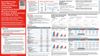
 Baricitinib works better in adolescents than adults for treating severe alopecia areata.
35 citations
,
June 2011 in “British Journal of Dermatology” The DQB1*03 allele is linked to higher alopecia areata risk in Italians.
 December 2000 in “British Journal of Dermatology”
 The document corrected previous errors and announced future dermatology events.