 April 2026 in “Frontiers in Marine Science”
 Guadalupe fur seals at San Benito Archipelago face high mortality and health issues due to pollution and marine debris.
 April 2026 in “Research Square”
 Improving manual dexterity is key to better dental skills, while self-confidence doesn't predict actual performance.
 April 2026 in “Research Square”
 UK postgraduate health students have limited understanding of alopecia, with many misconceptions, highlighting the need for better awareness.
 April 2026 in “Clinical Cosmetic and Investigational Dermatology”
 Renal transplant recipients often have skin issues, especially infections, and need regular skin check-ups.
 March 2026 in “Dermatology and Therapy”
 Distinct miRNA signatures could help diagnose and treat severe Alopecia Areata.
 March 2026 in “Aesthetic Plastic Surgery”
 AI is revolutionizing non-surgical cosmetic procedures by improving personalization, safety, and access.
 March 2026 in “Dermatology and Therapy”
 More severe alopecia areata can lower quality of life.
 January 2026 in “Cosmoderma”
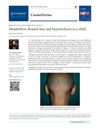
 A 9-year-old girl has a rare hair disorder causing beaded, sparse hair.

Hair restoration is advancing with new treatments and needs collaboration across fields for effective, evidence-based care.

Plakophilin 1 helps control skin cell immune responses to prevent excessive inflammation.
 November 2025 in “Frontiers in Pharmacology”
 Gentamicin-loaded exosomes improve healing of infected diabetic wounds in mice.

A new microneedle patch helps repair spinal cord injuries by reducing scarring and promoting nerve growth.

Spiritual well-being is crucial for improving quality of life in women with breast cancer.
 November 2025 in “Clinical Cosmetic and Investigational Dermatology”
 Immune cells and plasma proteins are linked to hair loss, suggesting new treatment options.
 October 2025 in “Dermatology and Therapy”
 Nutrafol® nutraceuticals improve hair thickness and strength.

Higher air pollution increases the risk of alopecia areata.

Intramuscular injection of 131I is a safe and effective way to induce hypothyroidism in rats without harming muscle tissue.
 August 2025 in “Research Square (Research Square)”
 High TNF-α levels may increase hair loss risk after PRP therapy.

SNP rs2479106 in the DENND1A gene may increase PCOS risk in Saudi Arabian females.

Human hair follicle stem cells improved memory and brain health in rats.

Eclipta alba IIHR Sel EA 43 is best for large-scale cultivation due to high growth, yield, and wedelolactone content.
 August 2024 in “Journal of Animal Science and Technology”
 Angora goat hair growth is influenced by gene expression, sex hormones, and breed differences.
 June 2024 in “Research Square (Research Square)”
 Jagged-1 in skin Tregs is crucial for timely wound healing by recruiting specific immune cells.
 June 2024 in “Archives of Dermatological Research”
 SFRP2 and PTGDS may be key factors in female hair loss.
 June 2024 in “Research Square (Research Square)”
 Finasteride overdose can cause acute pancreatitis.
 June 2024 in “Dermatology and therapy”
 Intramuscular injections improved hair density more than intradermal injections for treating hair loss.
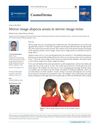
Mirror-image twins can have alopecia areata on opposite sides of their heads.
 May 2024 in “International journal of nanomedicine”
 Plant-derived extracellular vesicles show promise for treating diseases like cancer and inflammation.
 April 2024 in “International Journal of Research in Medical Sciences”
 Demographic and lifestyle factors significantly influence scalp diseases.
 April 2024 in “Research Square”
 IBD patients treated with TNF antagonists may develop autoimmune alopecia areata, with severe cases less likely to improve.