January 2021 in “Menoufia Medical Journal (Print)” Androgenetic alopecia negatively affects emotions and self-confidence, especially in younger people.
 28 citations
,
January 2015 in “Journal der Deutschen Dermatologischen Gesellschaft”
28 citations
,
January 2015 in “Journal der Deutschen Dermatologischen Gesellschaft” Women with scarring alopecia have a lower quality of life and more anxiety and depression than those with non-scarring alopecia.
 June 2021 in “Research Square (Research Square)”
 Adverse events in lung cancer treatments increase fear, anxiety, and depression, with newer therapies causing fewer side effects.
 October 2019 in “The Permanente Journal”
 The author improved his health by adopting mindfulness and a healthier lifestyle.
May 2026 in “Psychoneuroendocrinology” 3 citations
,
January 2024 in “Revista da Associação Médica Brasileira” Women with PCOS are more likely to have depression and anxiety.
55 citations
,
March 2005 in “Neuropharmacology” A neurosteroid can reduce caffeine-induced anxiety in rats.
 1 citations
,
June 2022 in “International Journal of Health Sciences”
1 citations
,
June 2022 in “International Journal of Health Sciences” Lower BDNF levels link to worse depression in alopecia areata patients.
 September 1997 in “Journal of The European Academy of Dermatology and Venereology”
 Alopecia linked to higher anxiety and personality disorders.
2 citations
,
March 2024 in “Egyptian Journal of Health Care” Mindfulness intervention greatly improves quality of life and reduces distress in women with breast cancer.
3 citations
,
January 2019 in “Xin li xue jin zhan” 5 citations
,
February 2023 in “Skin Health and Disease” The Swedish Hairdex-S is a reliable tool for assessing quality of life in Alopecia Areata patients.
January 2026 in “The Breast Journal” Understanding specific symptoms in different cancer stages can improve personalized care and quality of life.
 March 2026 in “Healthcare”
 Improving understanding of laser hair removal can reduce anxiety and help people make better decisions.
April 2024 in “Middle East Fertility Society Journal” Higher anxiety levels are linked to sexual dysfunction in women with PCOS.
1 citations
,
July 2025 in “Journal of the National Medical Association” Alopecia areata patients often face mental health issues like anxiety and depression.
Attractive women slightly worsened mood, green backgrounds improved mood, and older people had better moods.
May 2024 in “JEADV Clinical Practice” A change in SALT scores of 42 or 43 indicates meaningful improvement in alopecia areata treatment.
8 citations
,
May 2025 in “British Journal of Dermatology” Alopecia areata impacts mental well-being more due to perceptions and stigma than disease severity.
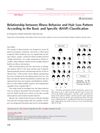 1 citations
,
January 2023 in “Annals of Dermatology”
1 citations
,
January 2023 in “Annals of Dermatology” The BASP classification helps predict patient behavior and improve treatment for hair loss.
 January 2025 in “Advances in Dermatology and Allergology”
 The Polish version of the Alopecia Areata Quality of Life Index is a reliable tool for assessing quality of life in Polish-speaking patients with alopecia areata.
June 2025 in “Journal of Cosmetic Dermatology” Alopecia areata is linked to higher anxiety and depression, especially in younger women in certain countries.
May 2017 in “Chinese Journal of Dermatology” Alopecia negatively affects quality of life and mental health.
3 citations
,
November 2023 in “American Journal of Men s Health” Improving prostate and urinary health can enhance sexual function and mental well-being in older men.
 31 citations
,
November 2000 in “Clinical and Experimental Dermatology”
31 citations
,
November 2000 in “Clinical and Experimental Dermatology” WAA-QOL measures impact of hair loss on women's well-being.
 2 citations
,
December 2018 in “International Journal of Dermatology”
2 citations
,
December 2018 in “International Journal of Dermatology” New grading scale accurately measures hair loss severity and treatment effectiveness.
 17 citations
,
July 2017 in “International Journal of Behavioral Medicine”
17 citations
,
July 2017 in “International Journal of Behavioral Medicine” The Egyptian Arabic Skindex-16 is a reliable way to measure how skin diseases affect quality of life in Egyptian patients.
July 2025 in “Journal of Investigative Dermatology” Probiotics significantly reduce the severity of atopic dermatitis.
 September 2023 in “Khyber Medical University Journal”
 People with alopecia often feel anxious, depressed, and have low self-esteem.