January 2004 in “Zhongguo yiyuan yongyao pingjia yu fenxi” Using tamsulosin with finasteride is the most effective and reduces surgery risk for BPH.
January 2004 in “Pharmaceutical biotechnology” Finasteride effectively inhibits the enzyme steroid 5 alpha-reductase II.
February 2003 in “European Urology Supplements” Baseline PSA levels affect general health and sexual satisfaction in men with BPH treated with finasteride or placebo.
Combining α-blockers and Finasteride is useful for treating small prostate enlargement.
January 2002 in “Chinese Journal of Hospital Pharmacy” Finasteride tablets are stable and effective for treating benign prostatic hyperplasia.
Finasteride can help regrow hair in male pattern baldness.
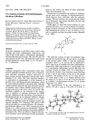 December 1998 in “Acta Crystallographica Section C-crystal Structure Communications”
 A new compound with strong antiandrogenic effects was found, potentially useful for treating conditions like acne and prostate cancer.
August 1986 in “Lung India” Finasteride effectively prevents hair loss and promotes hair growth in men with androgenetic alopecia.
April 2023 in “European urology open science” Urologists should screen for mental health issues before and during finasteride treatment.
March 2023 in “The Journal of Urology” Higher SRD5A2 expression predicts better response to finasteride in treating urinary symptoms.
September 2022 in “Dermatology and therapy” Androgenetic alopecia is linked to heart disease, metabolic issues, and mental health problems.
May 2022 in “Current Enzyme Inhibition” Compound 7b is a promising candidate for treating benign prostatic hyperplasia and prostate cancer.
May 2022 in “The Journal of Sexual Medicine” Finasteride is linked to sexual dysfunction, especially in younger men using it for hair loss.
April 2022 in “The Journal of Sexual Medicine” Finasteride alone increases suicide risk, but combining it with other treatments reduces this risk.
April 2022 in “The Journal of Sexual Medicine” Finasteride is linked to sexual dysfunction, especially in younger users treating hair loss.
November 2021 in “Evidencia” Young patients using finasteride may have higher risks of anxiety, depression, and suicidal thoughts.
August 2021 in “The Journal of Urology” Finasteride use is strongly linked to sexual dysfunction, especially in young men treating hair loss.
May 2021 in “Faculty Opinions – Post-Publication Peer Review of the Biomedical Literature” Clinicians need to better understand and treat Post-finasteride syndrome.
July 2020 in “Vestnik urologii” The cause of post-finasteride syndrome is unclear and needs more research.
Finasteride use is linked to a higher risk of obstructive sleep apnea.
 January 2020 in “Química Nova”
 The PW91 method is best for calculating the basic physical and chemical properties of Finasteride, a drug used for prostate issues and hair loss.
 January 2020 in “Archives of urology”
 Finasteride, a drug used for certain conditions, can cause serious side effects like sexual dysfunction, suicidal thoughts, and increased diabetes risk, and there's a need for more awareness and research about these effects.
 December 2019 in “Reactions Weekly”
 Man stopped medications due to sexual side effects, found relief with prostatic artery embolisation.
August 2018 in “Daehan binyogi jong-yang haksulji” Taking sildenafil and finasteride together is safe and improves urinary and sexual symptoms in BPH patients.
January 2018 in “International Journal of Medical Research and Health Sciences” Finasteride reduces blood loss and the need for blood transfusions during and after TURP surgery.
 August 2017 in “Drug and Therapeutics Bulletin”
 Finasteride may cause depression, suicidal thoughts, and sexual side effects.
 July 2017 in “Reactions Weekly”
 Finasteride may cause serious muscle-related side effects.
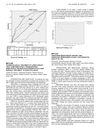 April 2017 in “The Journal of Urology”
 Finasteride before TURP reduces blood loss and improves early postoperative quality of life.
 December 2016 in “Reactions Weekly”
 Dutasteride and finasteride have equal safety for treating BPH without increased heart risk.
 September 2016 in “Reactions Weekly”
 Dutasteride and finasteride don't raise erectile dysfunction risk.