 October 2018 in “International journal of reproduction, contraception, obstetrics and gynecology”
 Most adult women with PCOS in Port Harcourt, Nigeria, have high levels of bad fats in their blood, especially younger women.

 January 2018 in “Elsevier eBooks”
 Different nail disorders are treated by targeting their specific causes and using appropriate medications or protective measures.
 October 2017 in “Springer eBooks”
 A thorough initial check-up is essential before sperm banking to ensure the best chance of preserving good quality sperm.
 May 2017 in “InTech eBooks”
 Early treatment of children's hair loss, which can be caused by various factors, is important due to its emotional impact.
 January 2017 in “Springer eBooks”
 Over 40% of postmenopausal women experience hair loss, with treatments aiming to stop further loss and possibly thicken hair.
 November 2016 in “Endocrinology&Metabolism International Journal”
 PCOS has no cure, but treatments can manage symptoms and improve health.

Modern hair restoration techniques can effectively treat hair loss and provide natural-looking results.
 January 2015 in “Springer eBooks”
 Chronic kidney disease can cause hair loss, which may be related to zinc deficiency or certain medications, and sometimes hair grows back when the underlying issue is treated.
 January 2015 in “Indian Journal of Medical Biochemistry”
 Men with early balding should be checked for metabolic syndrome, as there's a link between the two.

The EMG-to-force model accurately predicts hip muscle forces during walking.
 April 2014 in “Journal of Aesthetic Nursing”
 Mesotherapy with natural extracts and vitamins can improve hair loss and promote regrowth in most women.

Robotic-assisted hair transplant is effective and less painful, but needs more evaluation for long-term results.
 March 2014 in “Journal of The American Academy of Dermatology”
 Tavaborole is a safe and effective toenail fungus treatment, with the 5% solution being the best option.
 September 2013 in “Experimental Dermatology”
 The document concluded that stem cells are crucial for skin repair, regeneration, and may help in developing advanced skin substitutes.
 January 2012 in “Human health handbooks”
 Low-level light therapy is FDA-approved for male pattern hair loss, increases hair count and strength, and is considered safe for use.
 January 2012 in “heiDOK (Heidelberg University)”
 Dormant melanoma cells in mice interact minimally with memory T cells due to a suppressive tumor environment.
 February 2010 in “Journal of The American Academy of Dermatology”
 The study concluded that patients with total hair loss and recurring hair loss had an earlier onset, longer-lasting condition, and a greater negative impact on their quality of life, with allergic conditions linked to more severe hair loss.
 February 2010 in “Journal of The American Academy of Dermatology”
 Alopecia areata has different forms and can significantly affect quality of life, especially in more severe cases.
 February 2010 in “Journal of The American Academy of Dermatology”
 Babies born after 38 weeks to mothers under 36 years old and not delivered by C-section have a higher risk of neonatal occipital alopecia.
 November 2009 in “Companion Animal”
 The document suggests that Alopecia X in dogs is mainly a cosmetic issue and might be better left untreated.
 June 2008 in “British Journal of Dermatology”
 UK medical students lack dermatology education, liver biopsy patients with risk factors show more fibrosis, and certain fungi resist drugs due to melanin; genetics may influence female hair loss.
 April 2003 in “Experimental Dermatology”
 The workshop highlighted the genetic links and psychological impacts of hair loss and skin disorders.
 September 2002 in “Comprehensive Therapy”
 Primary care is key in managing PCOS, focusing on lifestyle changes and medications like birth control and metformin.
 July 2002 in “Australasian Journal of Dermatology”
 Maintaining anticoagulation is crucial for patients with antiphospholipid syndrome.
 July 2002 in “Australasian Journal of Dermatology”
 A woman with lupus had hair loss and skin issues that were successfully treated with medications.
 May 2002 in “British Journal of Dermatology”
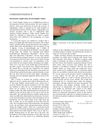
 A pregnant woman's skin condition improved after giving birth, possibly due to high estrogen levels during pregnancy.
 January 1982 in “Side effects of drugs annual”
 High doses of certain vitamins can cause serious side effects and health risks.

Detailed history and physical examination are crucial for diagnosing hair loss.
 May 2002 in “British Journal of Dermatology”
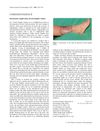
 Hair loss caused by longer latent hair cycle and sudden miniaturization, not gradual follicle size reduction.