 March 2005 in “Journal of The American Academy of Dermatology”
 Diphencyprone treatment protocols could be simplified as no harm occurred despite not fully following them.
 October 2023 in “Indian journal of ophthalmology. Case reports”
 A woman lost vision in one eye after a forehead injection, but prompt treatment led to partial vision recovery.
7 citations
,
April 1996 in “Archives of dermatological research” Topical tacalcitol can treat psoriasis by acting directly on skin cells.
6 citations
,
November 2020 in “Clinical Cosmetic and Investigational Dermatology” Both concentrations of triamcinolone acetonide are effective for hair regrowth in patchy alopecia areata, but 5 mg/mL is recommended to reduce side effects.
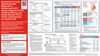 November 2025 in “SKIN The Journal of Cutaneous Medicine”
 Baricitinib significantly regrows hair in teens with severe alopecia areata.
2 citations
,
January 1983 in “Archives of Dermatology” A 3-year-old boy's scalp infection was treated with ketoconazole.
3 citations
,
May 2014 in “Journal of the Egyptian Women's Dermatologic Society /Journal of the Egyptian Women's Dermatologic Society” Bimatoprost may help treat hair loss from alopecia areata.
July 2024 in “Journal of Investigative Dermatology” Brepocitinib improves cicatricial alopecia and reduces key immune markers.
52 citations
,
February 2009 in “Journal of the American Academy of Dermatology” A 93-year-old woman developed a rare scalp condition after therapy, which improved with steroids, not antibiotics.
 January 2025 in “Frontiers in Pediatrics”
 Baricitinib significantly improved hair regrowth and skin condition in a 14-year-old with alopecia areata and atopic dermatitis.
 April 2017 in “Journal of Investigative Dermatology”
 SB414 may be an effective treatment for atopic dermatitis by reducing swelling and bacterial infection.
12 citations
,
January 1999 in “Journal of Animal Science” Glucocorticoids and thyroid hormones together are essential for fetal fat development.
37 citations
,
October 2010 in “JDDG Journal der Deutschen Dermatologischen Gesellschaft” Griseofulvin is the best treatment for tinea capitis in children, but more research is needed on other treatments and safety.
28 citations
,
July 2015 in “Dermatologic therapy” The combined therapy was effective and safe for children with severe alopecia areata.
May 2019 in “Journal of clinical oncology” Topical calcitriol was safe and well-tolerated for potential hair loss prevention in chemotherapy patients.
Baricitinib showed mixed results in treating alopecia areata in children, with some improvement but also side effects.
 3 citations
,
February 2022 in “Rheumatology”
3 citations
,
February 2022 in “Rheumatology” Baricitinib was effective in treating a patient with dermatomyositis and hair loss.
14 citations
,
February 2013 in “PubMed” Patients treated with long-term intralesional corticosteroids for alopecia areata should be monitored for bone density changes and advised on osteoporosis prevention.
 16 citations
,
March 2016 in “Clinical ophthalmology”
16 citations
,
March 2016 in “Clinical ophthalmology” Bimatoprost is safe and improves eyelash growth in healthy kids but not in those with eyelash loss from chemotherapy or alopecia.
 June 2023 in “Faculty Opinions – Post-Publication Peer Review of the Biomedical Literature”
 Bicalutamide mesotherapy improved hair density in women with hair loss and was well received.
 January 2021 in “Online Publication Service of Würzburg University (Würzburg University)”
 Diphenylcyclopropenon treatment for Alopecia areata is effective and safe, improving patients' quality of life.
20 citations
,
March 2021 in “Drug design, development and therapy” Topical immunotherapy can treat alopecia areata, but its effectiveness varies and the exact mechanism is unclear.
1 citations
,
January 2024 in “Journal of clinical medicine” Early recognition and treatment of tinea capitis are crucial to prevent severe scalp issues and prolonged therapy.
1 citations
,
January 2011 in “MOspace Institutional Repository (University of Missouri)” Topical immunotherapy with SADBE and DPCP is most effective for short-term hair regrowth in children with severe alopecia areata.
1 citations
,
June 1999 in “American Journal of Contact Dermatitis” Shampoos should treat scalp issues while keeping hair soft and shiny.
 June 1982 in “Reactions (Auckland)”
 Metoprolol and propranolol may cause hair loss.
 March 2022 in “Nepal Journal of Dermatology Venereology & Leprology”
 Methotrexate with steroids is slightly more effective than azathioprine with steroids for treating severe alopecia areata.
 4 citations
,
January 2022 in “Drug design, development and therapy”
4 citations
,
January 2022 in “Drug design, development and therapy” Intramuscular corticosteroids are effective and safe for severe alopecia areata, with most patients regrowing hair, but nearly half may relapse.
 January 2015 in “Journal of evolution of medical and dental sciences”
 Topical tacrolimus is effective and safe for treating alopecia areata.
 April 2023 in “Journal of Investigative Dermatology”
 Baricitinib at 2mg and 4mg doses improved work productivity and reduced costs for adults with atopic dermatitis.