 May 2023 in “Dermatology and therapy”
 The document concludes that identifying the cause of eyebrow and eyelash loss is key to treating it and improving quality of life.
 July 2021 in “International journal of dermatology, venereology and leprosy sciences”
 Diphenylcyclopropenone is more effective and has fewer side effects than dinitrochlorobenzene for treating alopecia areata.
 February 2021 in “Journal of pharmaceutical and biological sciences”
 No cure exists for alopecia areata, and treatments are personalized.
 January 2021 in “Online Publication Service of Würzburg University (Würzburg University)”
 Diphenylcyclopropenon treatment for Alopecia areata is effective and safe, improving patients' quality of life.
 May 2020 in “JAAD case reports”
 Using anthralin and calcipotriene together might help treat tough cases of alopecia areata, but more research is needed to understand how it works.
 February 2020 in “International Journal of Research in Dermatology”
 EPDS is a rare, chronic scalp condition that's hard to treat and needs better awareness for improved outcomes.
 October 2018 in “InTech eBooks”
 The most effective treatments for hair loss are minoxidil, finasteride, PRP, and hair transplants, with steroids and immunosuppressants for autoimmune types.
 July 2018 in “Elsevier eBooks”
 Acne keloidalis nuchae is a chronic skin condition more common in African men, causing itchy or painful bumps and can lead to permanent hair loss if not treated early.
 January 2016 in “Springer eBooks”
 Alopecia Areata is an unpredictable autoimmune hair loss condition with limited and variable treatment effectiveness.
 October 2014 in “Journal of skin and stem cell”
 Elidel combined with tretinoin is more effective for treating alopecia areata than Elidel alone.
 March 2014 in “Journal of The American Academy of Dermatology”
 The document lists various dermatology topics, treatments, and diagnostic methods.
 March 2012 in “Pathy's Principles and Practice of Geriatric Medicine”
 Older adults often have skin problems due to aging, and treating these conditions requires attention to both physical and mental health.

Use the least toxic, most specific treatments for skin diseases, considering side effects and individual patient needs.
 November 2010 in “Clin-Alert”
 Monitoring for adverse effects in clinical treatments is crucial.
 January 2007 in “Elsevier eBooks”
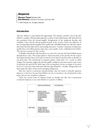
 Alopecia areata is a reversible, autoimmune-related hair loss that can have significant emotional impact and uncertain treatment effectiveness.
 July 1988 in “Journal of The American Academy of Dermatology”
 Various dermatologic treatments were effective for skin conditions like acne, rosacea, hair loss, and psoriasis from December 1986 to December 1987.
 January 1987 in “Side effects of drugs annual”
 Some cosmetics and dermatological drugs can cause allergic reactions and side effects, like skin irritation and systemic issues.
 May 2004 in “Pediatric Dermatology”
 Atopic dermatitis may have genetic causes and can be treated with pharmacologic methods, glycerin creams, and controlling Staphylococcus aureus colonization.
 2 citations
,
May 2021 in “Journal of pharmaceutical and biomedical analysis”
2 citations
,
May 2021 in “Journal of pharmaceutical and biomedical analysis” A new method was developed to accurately detect and measure 47 different drug ingredients in various products.
 155 citations
,
June 2009 in “International Journal of Dermatology”
155 citations
,
June 2009 in “International Journal of Dermatology” Lichen planus is a skin condition that can resolve on its own, is linked to hepatitis C, and increases the risk of skin cancer.
 23 citations
,
March 2019 in “Environmental Chemistry Letters”
23 citations
,
March 2019 in “Environmental Chemistry Letters” Cyclodextrins improve how steroid drugs work and are used in marketed medications and environmental applications.
 14 citations
,
January 2020 in “Mediterranean Journal of Rheumatology”
14 citations
,
January 2020 in “Mediterranean Journal of Rheumatology” New JAK inhibitor drugs show promise for treating skin diseases but need more research on safety and effectiveness.
 6 citations
,
January 2023 in “Annals of Dermatology”
6 citations
,
January 2023 in “Annals of Dermatology” The guidelines offer updated treatment recommendations for alopecia areata in Korea using topical and device-based methods.
 January 2016 in “Springer eBooks”
 Understanding drug interactions, side effects, and patient-specific factors is crucial for effective dermatological care.
 151 citations
,
July 2011 in “Archives of Dermatological Research”
151 citations
,
July 2011 in “Archives of Dermatological Research” Liposomal systems show promise for delivering drugs through the skin but face challenges like high costs and stability issues.
 20 citations
,
October 2013 in “British Journal of Dermatology”
20 citations
,
October 2013 in “British Journal of Dermatology” The document concludes that clinicians should be aware of common hair and scalp disorders in women of African descent and that more research is needed to develop effective treatments.
 17 citations
,
December 2001 in “Dermatologic therapy”
17 citations
,
December 2001 in “Dermatologic therapy” Different treatments for alopecia areata have unpredictable results and varying success rates.
 5 citations
,
August 2014 in “Pharmaceutical Development and Technology”
5 citations
,
August 2014 in “Pharmaceutical Development and Technology” Propylene glycol and ethanol increase finasteride skin absorption, sodium lauryl sulfate doesn't.
Vitamin D is crucial for skin health and managing skin diseases.
 9 citations
,
October 2017 in “Archivos Argentinos de Pediatria”
9 citations
,
October 2017 in “Archivos Argentinos de Pediatria” Alopecia areata needs new treatments targeting autoimmune processes due to its emotional impact and variable treatment responses.