7 citations
,
April 1996 in “Archives of dermatological research” Topical tacalcitol can treat psoriasis by acting directly on skin cells.
 1 citations
,
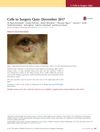
November 2017 in “The journal of investigative dermatology/Journal of investigative dermatology”
1 citations
,
November 2017 in “The journal of investigative dermatology/Journal of investigative dermatology” Mohs micrographic surgery is effective for treating basal cell carcinoma on the eyelid, while radiotherapy has higher recurrence rates, and topical vitamin D3 may reduce and delay BCC formation in mice.
2 citations
,
February 2025 in “Archives of Dermatological Research” Baricitinib is a safe and effective alternative for alopecia areata patients who do not respond to tofacitinib.
10 citations
,
January 2020 in “Acta Neurobiologiae Experimentalis” Valproic acid and crocin together boost cell growth and may help treat nerve injuries.
12 citations
,
November 2012 in “Bulletin of experimental biology and medicine” Taxifolin-based treatments help skin heal after chemical burns.
2 citations
,
January 2024 in “Journal of the American Academy of Dermatology” Treating primary cicatricial alopecia is difficult and requires evidence-based methods.
August 2021 in “Journal of the American Academy of Dermatology” Oral baricitinib is effective and safe for treating alopecia areata.
 2 citations
,
April 2023 in “Expert Review of Clinical Immunology”
2 citations
,
April 2023 in “Expert Review of Clinical Immunology” Baricitinib is effective as a treatment for severe hair loss.
8 citations
,
August 1987 in “The Journal of Dermatology” BKN-1 antibody targets specific keratin in basal cell epithelioma and normal skin basal cells.
 March 2025 in “Drug Development Research”
 The new gel combining minoxidil and tofacitinib effectively treats alopecia areata by promoting hair growth and reducing inflammation.
October 2021 in “Journal of Investigative Dermatology” Blocking IL-12 can help treat alopecia areata by preventing hair follicle immune issues.
37 citations
,
January 1986 in “Carcinogenesis” ODC expression in mouse skin and tumors is varied and can be inhibited by retinoic acid or cycloheximide.
 3 citations
,
January 2016 in “Annals of Dermatology”
3 citations
,
January 2016 in “Annals of Dermatology” Vitamin D may help reduce inflammation in acne.
3 citations
,
April 2025 in “American Journal of Clinical Dermatology” Baricitinib is generally safe for long-term use in treating severe alopecia areata.
15 citations
,
February 2011 in “Experimental Dermatology” Betamethasone dipropionate reduced skin thickness, fish oil increased it, and combined treatment had no significant effect.
 January 2025 in “Geneesmiddelenbulletin”
 Baricitinib is effective and safe for treating severe alopecia areata with ongoing use.
 March 2026 in “Clinical Cosmetic and Investigational Dermatology”
 Upadacitinib improved multiple immune-related conditions in one patient.
1 citations
,
March 2023 in “Anais Brasileiros de Dermatologia”  5 citations
,
October 2024 in “International Journal of Molecular Sciences”
5 citations
,
October 2024 in “International Journal of Molecular Sciences” Piperonylic acid may help hair growth and treat hair loss.
January 2026 in “Journal of Ethnopharmacology” Cedrol promotes hair growth better than baricitinib by regulating immune cells.
 32 citations
,
January 2017 in “PLoS ONE”
32 citations
,
January 2017 in “PLoS ONE” Adiponectin boosts lipid production in skin cells, potentially helping treat skin conditions with low sebum.
July 2024 in “Journal of Investigative Dermatology” OR101 may effectively treat atopic dermatitis and similar skin conditions.
 October 2024 in “American Journal of Case Reports”
 Baricitinib improved hair loss and arthritis in a lupus patient.
 June 2024 in “Research Square (Research Square)”
 Combining botulinum toxin type A with Minoxidil leads to better hair growth and quality of life in men with hair loss.
 May 2025 in “International Journal of Molecular Sciences”
 DHHB from Platycladus orientalis L. promotes hair growth and could be a natural alternative to current treatments.
May 2026 in “Materials Today Bio” The nanocomplex protects hair from UV damage and strengthens it.
 April 2016 in “Journal of Investigative Dermatology”
 Retinoids change the fat content in skin oil and reduce bacteria growth, helping to treat acne.
146 citations
,
February 2012 in “Journal of Clinical Investigation” Blocking Hedgehog signaling offers new treatment options for advanced basal cell carcinoma.
November 2025 in “Scientia Pharmaceutica” Injectable biostimulators can improve skin by boosting collagen and fat cell activity, but more research is needed to confirm their safety and effectiveness.
5 citations
,
October 2023 in “Phytotherapy Research” Dauricine may help treat certain brain cancers by reducing cancer cell growth and promoting cell death.