Search
for
Sort by
Research
330-360 / 1000+ results
research Tratamiento con tofacitinib en adolescentes con alopecia areata
Tofacitinib treatment is used for teenagers with alopecia areata.
research 62339 Improvement in anxiety and depression in adult patients with severe alopecia areata treated with deuruxolitinib: Pooled data from the THRIVE-AA1 and THRIVE-AA2 Phase 3 trials
Deuruxolitinib improves anxiety and depression in severe alopecia areata patients.
research Vorasidenib-Induced Trichomegaly and Hypertrichosis: a New Side Effect in a Patient with Diffuse Astrocytoma
Vorasidenib can cause unusual hair growth.
research Using patient preference to inform ritlecitinib dose selection for alopecia areata treatment
Patients prefer the higher 50 mg dose of ritlecitinib for better hair regrowth despite higher risks.
research Incident Rosacea and Related Dermatoses in Estrogen-Exposed Females: A Large-Scale Age-Stratified Cohort Study
research Experiences with Smo antagonist vismodegib for the treatment of locally advanced basal cell carcinoma
Vismodegib effectively treats advanced basal cell carcinoma but requires careful management of serious side effects.
research The spectrum of cutaneous adverse events during encorafenib and binimetinib treatment in B‐rapidly accelerated fibrosarcoma‐mutated advanced melanoma
The combination of encorafenib and binimetinib caused few skin issues.
research A randomized phase II trial on the addition of dutasteride to combined androgen blockade therapy versus combined androgen blockade therapy alone in patients with advanced or metastatic salivary duct carcinoma – the DUCT study protocol
Adding dutasteride to therapy may improve treatment for advanced salivary duct cancer.
research Les Rencontres d’Experts du Psoriasis : des recommandations pour la pratique quotidienne
Tofacitinib shows promise for treating severe alopecia areata with good safety and effectiveness.
research Key targets of hormonal treatment of prostate cancer. Part 2: the androgen receptor and 5α-reductase
Blocking DHT production more strongly may help control advanced prostate cancer and improve quality of life.
research 76221 Faster Onset and Superior Efficacy of an Investigational Extended-Release Oral Minoxidil Tablet (VDPHL01) Versus Topical and Immediate-Release Oral Minoxidil for Androgenetic Alopecia: Results from a Blinded Retrospective Investigator Global Assessment
research LY191704: a selective, nonsteroidal inhibitor of human steroid 5 alpha-reductase type 1.
LY191704 is a compound that effectively blocks a specific enzyme involved in hormone conversion and could help treat enlarged prostate and hair loss.
research LB891 Analysis of breast health outcomes in women on oral 5-alpha reductase inhibitors: A single-center retrospective cohort study
5-alpha reductase inhibitors don't increase breast cancer or benign breast disorder risk in women.
research Characteristics and Outcomes of Patients on Tofacitinib for Alopecia Areata or Rheumatoid Arthritis: A Retrospective Cohort Study
Patients with rheumatoid arthritis using tofacitinib had more serious side effects than those with alopecia areata.
research Ponatinib-induced pityriasis rubra pilaris-like adnexal dysmaturation: A case report
Ponatinib can cause a rare skin reaction that resolves with topical treatment and temporary drug discontinuation.
research Dutasteride/finasteride
research Ritlecitinib and brepocitinib demonstrate significant improvement in scalp alopecia areata biomarkers
Two drugs, ritlecitinib and brepocitinib, improved scalp hair loss condition markers.
research Patterns of clinical response in patients with alopecia areata treated with ritlecitinib in the ALLEGRO clinical development programme
Ritlecitinib shows promise for treating alopecia areata, especially with early and extended treatment.
research Enhancing hair regrowth using rapamycin-primed mesenchymal stem cell-derived exosomes
Rapamycin-primed exosomes can significantly boost hair regrowth.
research Response of alopecia areata of the beard to oral tofacitinib
Oral tofacitinib is a promising treatment for beard hair loss in alopecia areata.
research Vitamin D and androgen receptor-targeted therapy for triple-negative breast cancer
Targeting vitamin D and androgen receptors may effectively treat triple-negative breast cancer, especially with chemotherapy.
research 32237 Clinician and patient evaluation of improvement for eyebrow and eyelashes hair loss during baricitinib phase 3 trials BRAVE-AA1 and BRAVE-AA2
Baricitinib was effective in regrowing eyebrow and eyelash hair in patients with severe alopecia areata.
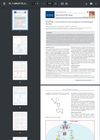
research Ruxolitinib: A novel molecule in the management of dermatological disorders
Ruxolitinib cream effectively treats skin conditions like atopic dermatitis and vitiligo with minimal side effects.
research An excellent response to tofacitinib in a Brazilian adolescent patient with alopecia areata: A case report and a review of the literature
A Brazilian teenager with severe hair loss had total hair regrowth with no side effects after using tofacitinib.
research Reply to: “Comment on: Bicalutamide Improves Minoxidil-Induced Hypertrichosis in Female Pattern Hair Loss: A Retrospective Review of 35 Patients”
research A Case of Cicatricial Alopecia Associated with Erlotinib
Erlotinib can cause hair loss as a side effect.
research Alopecia in patients treated with molecularly targeted anticancer therapies
Targeted cancer therapies have a significant but lower risk of causing hair loss compared to chemotherapy.
research Cutaneous adverse reactions linked to targeted anticancer therapies bortezomib and lenalidomide for multiple myeloma: new drugs, old side effects
The cancer drugs bortezomib and lenalidomide cause skin side effects in many patients.
research 5α-Reductase inhibitors, antiviral and anti-tumor activities of some steroidal cyanopyridinone derivatives
Some newly made compounds are promising for treating enlarged prostate, hair loss, viruses, and prostate cancer, and might be better than current drugs.