 February 2024 in “Tissue & Cell”
 New tissue engineering strategies show promise for regenerating human hair follicles, which could improve hair loss treatments.
December 2012 in “SWU eJournals System (Srinakharinwirot University)” Chemical hair removal can cause skin irritation and other issues, but natural alternatives are being explored.
 January 2022 in “Clinical Cases in Dermatology”
 The document suggests a possible link between hair loss and thyroid cancer, but doesn't provide definite proof.
13 citations
,
January 2001 in “Skin pharmacology and physiology” Micro-Imager® helps see how drugs spread in human skin.
June 2025 in “British Journal of Dermatology” Segmented hair color changes can indicate active alopecia areata.
13 citations
,
March 1997 in “Research in Veterinary Science/Research in veterinary science” Epithelial proliferation and hyperkeratosis are linked to gastric ulcers in pigs.
132 citations
,
September 2009 in “Experimental Dermatology” A reliable system was developed to distinguish hair growth stages, aiding in identifying hair growth promoters or inhibitors.
January 2026 in “Microorganisms” Bifidobacterium animalis subsp. lactis J12 helps reduce atopic dermatitis symptoms.
 January 2023 in “MIMESIS”
 The study concluded that McDonald's Father's Day ad uses a burger bun to symbolize a father, with colors and text celebrating the occasion and representing the brand's identity.
 April 2025 in “Veterinary Dermatology”
 Dermoscopy is useful for identifying skin lesions in dogs, with specific features distinguishing infundibular keratinising acanthomas from follicular cysts.
 August 2025 in “Fabad Journal of Pharmaceutical Sciences”
 Bicalutamide effectively treats prostate cancer but needs careful monitoring for side effects.
 4 citations
,
May 2020 in “PLOS ONE”
4 citations
,
May 2020 in “PLOS ONE” Ingenol mebutate gel changes gene expression related to skin development and immune response in actinic keratosis.
 49 citations
,
April 2003 in “Biomaterials”
49 citations
,
April 2003 in “Biomaterials” Bismuth subgallate and borneol together improve skin wound healing better than when used separately or compared to other treatments.
 March 2024 in “Indian Journal of Dermatology/Indian journal of dermatology”
 Using animal names for skin conditions helps with learning and memory.
5 citations
,
September 2006 in “Natural medicines/Journal of natural medicines” Microscopic hair features can identify different Cauda Cervi species.
January 2011 in “Yearbook of Dermatology and Dermatologic Surgery” 16 citations
,
July 1996 in “Journal of Investigative Dermatology” 41 citations
,
April 2019 in “PLOS genetics” CD34+ and CD34- melanocyte stem cells have different regenerative abilities.
2 citations
,
July 2021 in “Bali Medical Journal” A preauricular crease is common in people with coronary artery disease.
1 citations
,
October 2023 in “BMC Genomics” miRNAs in the Dlk1-Gtl2 region may improve lamb fur quality.
 62 citations
,
January 2000 in “Developmental dynamics”
62 citations
,
January 2000 in “Developmental dynamics” Notch-related genes play a key role in the development and cycling of hair follicles.
4 citations
,
July 2024 in “BMC Zoology” Dromedary camel hair structure and mineral content change with age.
 February 2026 in “Dermatology and Therapy”
 Sonidegib is effective and safe for treating advanced basal cell carcinoma, but biopsies are needed to confirm tumor clearance.
 4 citations
,
November 2012 in “Dermatitis”
4 citations
,
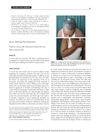
November 2012 in “Dermatitis” A man got severe skin irritation after using marking nut sap for hair loss.
February 2023 in “Journal of the European Academy of Dermatology and Venereology” 1 citations
,
January 2013 in “Lung India” Radiological findings help distinguish LAM, PLCH, and BHD to avoid invasive tests.
89 citations
,
May 2005 in “Stem Cells” Mouse skin has special cells in the epidermis that decrease with age and are linked to keratinocyte stem cells.
 4 citations
,
March 2021 in “Parasitology Research”
4 citations
,
March 2021 in “Parasitology Research” Besnoitiosis, a parasitic disease, has been found in donkeys in Italy and may be more common in Europe than previously thought.
1 citations
,
February 2013 in “Steroids” Bone mineral and minocycline boost bone cell growth, aiding healing.
41 citations
,
April 1989 in “Experimental and Applied Acarology”