September 2023 in “Repository of the University of Primorsk (University of Primorska)” Following national healthy eating guidelines can help reduce risks from gender-affirming hormone therapy.
 May 2023 in “Jurnal Sains Insani”
 Shaykh Abbas Kuta Karang significantly advanced Malay medical knowledge with his detailed manuscript.
 May 2023 in “Animal Reproduction Update”
 High levels of cortisol in hair show long-term stress which can lower fertility in animals.
 March 2023 in “İnönü Üniversitesi Sağlık Hizmetleri Meslek Yüksek Okulu Dergisi”
 Obesity is linked to higher metabolic syndrome and LH/FSH ratios, but no significant differences exist among PCOS phenotypes.
 January 2023 in “Acta historiae medicinae stomatologiae pharmaciae medicinae veterinariae”
 Stag parts were historically used in medicine for various health issues.
 January 2023 in “Tehnika”
 Biomedical engineers are crucial for developing better treatments for chronic and autoimmune diseases.
 June 2022 in “Asian Pacific journal of health sciences”
 Ayurvedic treatments like bloodletting, herbal packs, and medicated liquid flow over the head are a safe and effective alternative for hair loss.
 September 2021 in “Selçuk Üniversitesi Tıp Fakültesi dergisi”
 People with chronic Hepatitis C often have skin problems like itching and contact dermatitis, especially older individuals and women.

The document concludes that non-endocrine alopecia in pets varies in treatment effectiveness and often has a poor prognosis, especially in cats.
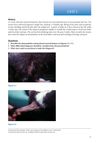 May 2019 in “Small Animal Dermatology”
 The cat had a rare condition linked to cancer, leading to its euthanasia.
 January 2018 in “Turkiye Klinikleri Journal of Medical Sciences”
 Alopecia areata treatment should consider life quality and mental health, not just clinical results.
 April 2017 in “Turkish Journal of Pediatric Disease”
 Careful diagnosis is crucial in premature pubarche cases, as 20% have other conditions.
 July 2016 in “American Journal of Dermatopathology”
 The meeting showcased rare skin disease cases, highlighting the need for accurate diagnosis and treatment.

Many women with postadolescent acne also have hormonal imbalances and are at higher risk for metabolic issues.
 May 2015 in “Journal of the American Academy of Dermatology”
 Certain drugs and supplements may contribute to hair loss in the frontal hairline in older women.
New techniques make hair transplants look more natural.
 December 2013 in “Praxis medica”
 Using both DLQI and Skindex-16 together gives a better understanding of quality of life in skin disease patients.
 December 2009 in “DergiPark (Istanbul University)”
 Check serum ferritin levels and total blood count for women with diffuse hair loss.
 April 2008 in “Companion Animal”
 The cat's skin condition was linked to cancer and did not improve with treatment, leading to a poor outcome.
 December 1994 in “The American Journal of Cosmetic Surgery”
 Understanding the scalp's blood flow and using delay techniques can improve the success of hair restoration surgeries.
 May 1991 in “Current problems in dermatology”
 Skin issues can indicate immune system problems.
 May 2024 in “Journal of cosmetic dermatology”
 Low HDL-C, uric acid, and 25-hydroxyvitamin D are risk factors for early-onset male hair loss.
 May 2014 in “La Revue de médecine interne”
 Early detection and treatment of primary biliary cirrhosis and related autoimmune diseases improve outcomes.
January 2026 in “Dermatologic Therapy” Higher RBP4 levels are linked to severe alopecia areata, but genetic variant rs3758539 doesn't affect baricitinib response.
 70 citations
,
January 2000 in “Drug Development Research”
70 citations
,
January 2000 in “Drug Development Research” New butyric acid prodrugs show promise for cancer treatment, anemia management, and protecting hair from chemotherapy damage.
 8 citations
,
January 2019 in “Annals of Dermatology”
8 citations
,
January 2019 in “Annals of Dermatology” Bilobetin may help reduce acne by decreasing sebum production.
January 2024 in “Journal of Natural Remedies” Alkaloids show promise in treating cholangiocarcinoma by effectively targeting cancer cells.
22 citations
,
September 2008 in “Brain & development” Biotin supplements increased biotin levels but did not significantly prevent hair loss in rats on valproic acid.
 April 2016 in “Journal of Investigative Dermatology”
 MEK and BRAF inhibitors increase sebum production and accumulation, which could cause acne-like side effects.
4 citations
,
September 1977 in “Lipids” Gerbils on a fat-deficient diet had altered fatty acid levels, hair loss, reduced sperm, and lower body weight.