 November 2022 in “The journal of investigative dermatology/Journal of investigative dermatology”
 A patient with a new PLEC gene mutation showed symptoms of both muscular dystrophy and myasthenia gravis, which improved with steroid treatment.
 April 2016 in “Journal of Investigative Dermatology”
 Lithocholic acid helps hair growth and regeneration in alopecia by activating vitamin D receptors.
 September 2024 in “Pediatrics in Review”
 A trichobezoar caused the girl's recurrent intussusception, and surgery plus psychiatric therapy resolved her symptoms.
7 citations
,
September 2024 in “International Journal of Molecular Sciences” PCOS involves high 11-oxygenated androgens and BPA may worsen it, while IH is not inflammatory.
April 2020 in “International journal of reproduction, contraception, obstetrics and gynecology” A postmenopausal woman with hair loss and hirsutism improved after surgery to remove an ovarian tumor.
 March 2022 in “Ophthalmology Journal”
 A woman's rare benign eyelid tumor was correctly identified through detailed tissue analysis.
March 2022 in “Veterinary dermatology” A one-year-old cat had multiple benign skin tumors similar to those known in humans.
 May 2017 in “DOAJ (DOAJ: Directory of Open Access Journals)”
 Using GnRHa agonists helps diagnose and treat ovarian hyperthecosis when surgery isn't possible.
 42 citations
,
August 1999 in “The American journal of pathology”
42 citations
,
August 1999 in “The American journal of pathology” Basal cell carcinomas have much higher levels of Vitamin D3 receptors compared to healthy skin.
142 citations
,
September 2015 in “PubMed” Keloid scars are aggressive, excessive skin scars with unique features and complex diagnosis.
September 2016 in “Case Reports in Internal Medicine” Chronic arsenic toxicity can cause diabetes and may not improve even with treatment.
 May 2024 in “Indian Journal of Dermatology”
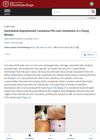
 The woman has a rare skin condition called follicular Dowling-Degos disease, which has limited treatment options.
 1 citations
,
January 2018 in “Journal of Gynecologic Surgery”
1 citations
,
January 2018 in “Journal of Gynecologic Surgery” Removing both ovaries can treat increased testosterone and related symptoms in postmenopausal women with ovarian hyperthecosis.
 8 citations
,
January 2008 in “European Journal of Pediatrics”
8 citations
,
January 2008 in “European Journal of Pediatrics” Children with autoimmune gastritis showed improved intestinal health over time and should be checked for other autoimmune conditions.
52 citations
,
March 2011 in “Clinical Gastroenterology and Hepatology” Enzyme doses for chronic pancreatitis should match meal size, not patient size.
April 2017 in “Journal of dermatological science” Removing PLCg1 from skin cells caused thicker oil glands and less hair in mice.
 5 citations
,
November 2018 in “Journal of Obstetrics and Gynaecology”
5 citations
,
November 2018 in “Journal of Obstetrics and Gynaecology” Ovarian Leydig cell tumors are hard to diagnose with just advanced imaging; expert ultrasound and clinical evaluation are essential.
 May 2002 in “British Journal of Dermatology”
 A pregnant woman's skin condition improved after giving birth, possibly due to high estrogen levels during pregnancy.
 April 2024 in “DAHUDER Medical journal”
 Ocrelizumab may cause pancreatitis in some patients.
 1 citations
,
February 2022 in “Terapevtičeskij arhiv”
1 citations
,
February 2022 in “Terapevtičeskij arhiv” A young woman got liver damage from taking too much vitamin A for two years.
475 citations
,
October 2006 in “Proceedings of the National Academy of Sciences” Folliculin helps regulate energy and nutrient sensing, impacting Birt–Hogg–Dubé syndrome.
7 citations
,
November 1997 in “Pediatric Dermatology” Trichothiodystrophy can be linked to urologic issues and high calcium in urine.
68 citations
,
January 2013 in “BMC Pharmacology and Toxicology” Glibenclamide slows breast cancer cell growth by stopping cell division.
3 citations
,
May 1963 in “Radiology” Thallium poisoning can be identified through radiological signs and treated effectively with B.A.L.
July 2001 in “Pediatrics in review” The girl's increased hair growth and other symptoms were due to a hormone-secreting ovarian tumor, which was successfully treated with surgery.
201 citations
,
May 2001 in “Proceedings of the National Academy of Sciences” Overexpression of COX-2 in mice skin causes abnormal skin and hair development.
2 citations
,
March 1997 in “Veterinary Dermatology” The Doberman had multiple skin tumors, but it's unclear if color dilution increased the risk.
31 citations
,
January 2007 in “Journal of the American Academy of Dermatology” A rare skin growth was successfully removed without recurrence after one year.
 3 citations
,
May 2011 in “Journal of Obstetrics and Gynaecology”
3 citations
,
May 2011 in “Journal of Obstetrics and Gynaecology” A woman's pelvic pain and bleeding led to finding and successfully treating a rare benign tumor in her reproductive system.
50 citations
,
January 1941 in “Annals of Internal Medicine” Idiopathic hypoparathyroidism is rare and can be managed with dihydrotachysterol.