 21 citations
,
March 2015 in “Journal of The American Academy of Dermatology”
21 citations
,
March 2015 in “Journal of The American Academy of Dermatology” Vemurafenib therapy can cause hair loss, but clobetasol propionate foam can help regrow hair.
33 citations
,
May 2017 in “Journal of Clinical Oncology” ETC-159 was safe up to 30 mg, but no tumor shrinkage was seen.

Baricitinib helps regrow hair in teens with severe alopecia areata.
1 citations
,
April 2023 in “Heliyon” Disitamab vedotin and gemcitabine effectively treated bladder cancer without major side effects.
10 citations
,
November 2017 in “Letters in drug design & discovery” Researchers identified promising inhibitors for the BRD4 protein, including finasteride and amentoflavone.
 February 2026 in “Frontiers in Immunology”
 Ivarmacitinib significantly improved hair regrowth in severe alopecia areata after tofacitinib was less effective.
 2 citations
,
June 2005 in “Clinical Oncology”
2 citations
,
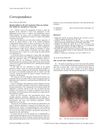
June 2005 in “Clinical Oncology” A man's bald spot grew hair after starting cancer treatment with gefitinib.
7 citations
,
March 2023 in “Lasers in Surgery and Medicine” Ablative fractional laser treatment nearly matches the gene reduction effects of topical vismodegib in skin cancer.
September 2024 in “Dermatologica Sinica” Ponatinib can cause a rare skin reaction that resolves with topical treatment and temporary drug discontinuation.
 September 2025 in “Arthritis Research & Therapy”
 BMS-470539 reduces skin fibrosis and inflammation.
1 citations
,
November 2023 in “SKIN The Journal of Cutaneous Medicine” 15 citations
,
October 2014 in “The journal of investigative dermatology/Journal of investigative dermatology” Erlotinib causes skin inflammation through IL-1, which can be reduced by anakinra.
15 citations
,
April 2011 in “The journal of investigative dermatology/Journal of investigative dermatology” A3B5 can reduce skin pigmentation and slow melanoma growth.
39 citations
,
June 2019 in “Frontiers in Endocrinology” Lenvatinib and sorafenib are generally safe but need dose adjustments due to side effects.
 December 2023 in “Journal of ethnopharmacology”
 Tribuloside can increase skin pigmentation by enhancing melanin production and distribution.
 February 2026 in “Molecules”
 BBR-SA nanomedicine is a safe and effective treatment for breast cancer.
 15 citations
,
January 2014 in “Medicinal chemistry”
15 citations
,
January 2014 in “Medicinal chemistry” Some new isatin compounds could be strong cancer-fighting drugs because they fit well in cancer-related proteins and have good drug-like properties.
21 citations
,
April 2008 in “Toxicologic Pathology” CI-1033 causes skin lesions in rats, similar to humans, due to EGF receptor inhibition.
4 citations
,
July 2024 in “Pharmacology Research & Perspectives” Ritlecitinib is safe and may effectively treat alopecia areata.
March 2009 in “European Urology Supplements”  34 citations
,
January 2018 in “International Journal of Dermatology”
34 citations
,
January 2018 in “International Journal of Dermatology” Scalp cooling is the most effective FDA-approved method to prevent chemotherapy-induced hair loss, but more research is needed for other treatments.
 26 citations
,
August 2018 in “American Journal of Clinical Dermatology”
26 citations
,
August 2018 in “American Journal of Clinical Dermatology” Hair loss in cancer patients can be related to the cancer itself, treatment, or other conditions, and understanding it is important for diagnosis and patient care.
 9 citations
,
May 2023 in “Inflammation Research”
9 citations
,
May 2023 in “Inflammation Research” New small molecule drugs show promise in treating complex skin diseases but need more safety research.
 7 citations
,
October 2019 in “Annals of palliative medicine”
7 citations
,
October 2019 in “Annals of palliative medicine” New targeted cancer drugs can cause skin side effects, and managing them requires patient education and timely care.
 2 citations
,
January 2021 in “Turkiye Klinikleri Journal of Internal Medicine”
2 citations
,
January 2021 in “Turkiye Klinikleri Journal of Internal Medicine” Cancer treatments often cause hair loss, and more research is needed to prevent and treat it.
 1 citations
,
August 2018 in “Journal of The American Academy of Dermatology”
1 citations
,
August 2018 in “Journal of The American Academy of Dermatology” Dutasteride and minoxidil mesotherapy effectively treats hair loss with minimal side effects.
 1 citations
,
August 2018 in “Journal of The American Academy of Dermatology”
1 citations
,
August 2018 in “Journal of The American Academy of Dermatology” Patients with melanoma who saw dermatologists and were from higher-income areas were more likely to have follow-up visits, which was linked to lower mortality.
 March 2026 in “Journal of Cancer Survivorship”
 Exercise may help reduce treatment side effects and improve survival in metastatic colorectal cancer.
 January 2026 in “Forum Dermatologicum”
 Hair loss can be caused by cancer, treatments, or skin conditions, and trichoscopy helps diagnose it.
 July 2025 in “Current Treatment Options in Oncology”
 Scalp cooling helps prevent hair loss during chemotherapy, and minoxidil aids regrowth.