15 citations
,
May 2003 in “Choice Reviews Online” Many health beliefs are myths; evidence-based medicine is crucial.
February 2026 in “Endokrynologia Polska” Early diagnosis and treatment are crucial for managing Berardinelli–Seip syndrome.
21 citations
,
June 2023 in “Journal of Nanobiotechnology” Engineered extracellular vesicles could improve CRISPR/Cas delivery, making gene editing safer and more effective.
 April 2017 in “Journal of Dermatological Science”
 B cells can both help and hinder the body's defense against melanoma.
September 2023 in “International journal of molecular sciences” Targeting lipid metabolism can help treat advanced, resistant cancers.
 March 2024 in “Journal of animal science/Journal of animal science ... and ASAS reference compendium”
 Soy hull supplementation did not affect sheep gastrointestinal parasite infection compared to corn-based supplements.
May 2021 in “FEBS open bio”  13 citations
,
January 2019 in “Colloids and Surfaces B: Biointerfaces”
13 citations
,
January 2019 in “Colloids and Surfaces B: Biointerfaces” The new drug delivery systems made with surfactants and block polymers are stable and not toxic.
 July 2019 in “Journal of Aesthetic Nursing”
 The JCCP's Premises Standards aim to make non-surgical cosmetic treatments safer and higher quality.
27 citations
,
January 2022 in “Current Research in Biotechnology” The nanofibers are safe, release medicine slowly, and kill bacteria, making them good for wound healing.
 June 2026 in “Frontiers in Marine Science”
 Codium sp. seaweed fractions can enhance skincare and be used for biochar, promoting sustainability.
 82 citations
,
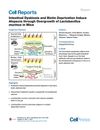
August 2017 in “Cell Reports”
82 citations
,
August 2017 in “Cell Reports” An imbalanced gut and lack of biotin can cause hair loss in mice.
 9 citations
,
February 2011 in “Revista Brasileira de Farmacognosia”
9 citations
,
February 2011 in “Revista Brasileira de Farmacognosia” Tridax procumbens plant parts boost immune response in mice.
3 citations
,
August 2023 in “Molecules” A compound from Sansevieria trifasciata shows strong antibacterial effects against E. coli and S. aureus.
6 citations
,
December 2018 in “International Journal of Cosmetic Science” CARB is a strong barrier in human hair that prevents dye penetration.
September 2023 in “Journal of the American Academy of Dermatology” 14 citations
,
March 2014 in “Journal of the Society of Cosmetic Scientists of Korea” Some Korean herb extracts can reduce inflammation and are safe for skin use.
 February 2026 in “Zenodo (CERN European Organization for Nuclear Research)”
 Gut bacteria overgrowth may cause some Post-Finasteride Syndrome symptoms.
 April 2023 in “The journal of investigative dermatology/Journal of investigative dermatology”
 Removing UBE2N from skin cells causes inflammation and immune response, which can be lessened with specific inhibitors.
September 2010 in “Urology” The effectiveness of finasteride for preventing chronic bacterial prostatitis is unclear.
 August 2023 in “Clinical, Cosmetic and Investigational Dermatology”
 Research on the human skin microbiome has grown, focusing on skin health and diseases, with more studies needed on antibiotic resistance and AI applications.
January 2015 in “Annual Research & Review in Biology” Natural antioxidants and phytotherapeutic molecules may help prevent cancer.
October 2010 in “EUR Research Repository (Erasmus University Rotterdam)” A fungal skin infection was successfully treated with medication and compression therapy.
January 2022 in “Faculty of 1000 Research Ltd” Training programs are needed to improve home COVID-19 management and educate on vital sign monitoring and danger signs.
17 citations
,
February 1987 in “Journal of the American Academy of Dermatology” The hair cuticle acts as a barrier against fungal infection, which occurs only deep within the hair follicle.
 3 citations
,
January 2023 in “Journal of Korean Medical Science”
3 citations
,
January 2023 in “Journal of Korean Medical Science” Korean psoriasis patients still use alternative medicine despite effective biologics.
September 2007 in “MacSphere (McMaster University)” New biomarkers and targets for breast cancer treatment were identified to help prevent relapse and metastasis.
 February 2005 in “Journal of The American Academy of Dermatology”
 Doctors should recognize various nail disorders, new allergens, and metabolic syndrome in patients, and use botulinum toxin carefully in aesthetic procedures.
 September 2022 in “Ciencia Unemi”
 More clinical trials are needed to confirm if plant-based products can effectively treat COVID-19.
 March 2021 in “The British Journal of Psychiatry”
 Countries with stricter cultures had fewer COVID-19 cases and deaths, paranoia is linked to false memories, psychosocial intervention works as well with or without antipsychotic drugs for young people with psychosis, smartphones can detect changes in behavior indicating illness relapse, and recruitment agents show regional and gender biases.