 42 citations
,
February 1985 in “Journal of the American Academy of Dermatology”
42 citations
,
February 1985 in “Journal of the American Academy of Dermatology” Excessive hair growth can be assessed by history, exam, and blood tests, and treated with medication like dexamethasone, birth control pills, and spironolactone.
 41 citations
,
April 2010 in “Gender Medicine”
41 citations
,
April 2010 in “Gender Medicine” The conclusion is that hirsutism should be diagnosed and treated because it affects quality of life and may signal other health problems.
39 citations
,
October 2012 in “Familial cancer” New therapies for Birt–Hogg–Dubé syndrome are being developed based on understanding the FLCN gene's role.
33 citations
,
May 2015 in “JAMA Dermatology” Early detection of specific skin lesions can help identify Birt-Hogg-Dube syndrome and prevent serious complications.
 33 citations
,
September 2008 in “Dermatologic therapy”
33 citations
,
September 2008 in “Dermatologic therapy” Doctors should know how to diagnose and treat PCOS, which often involves checking for high male hormone levels and using medications to manage symptoms.
 31 citations
,
June 2015 in “British Journal of Dermatology”
31 citations
,
June 2015 in “British Journal of Dermatology” Hormonal treatments are effective as a second-line option for moderate-to-severe acne in females, but should be used with caution due to health risks.
 30 citations
,
January 1998 in “Dermatology”
30 citations
,
January 1998 in “Dermatology” Birth control pills and cyproterone acetate can help treat acne in women, especially when linked to hormonal issues.
 28 citations
,
November 2007 in “Medical Clinics of North America”
28 citations
,
November 2007 in “Medical Clinics of North America” Obesity worsens Polycystic Ovary Syndrome symptoms, and weight loss is a key treatment.
 26 citations
,
March 2014 in “Arquivos Brasileiros De Endocrinologia E Metabologia”
26 citations
,
March 2014 in “Arquivos Brasileiros De Endocrinologia E Metabologia” The document concludes that proper diagnosis and combined treatments are key for hirsutism management, and weight loss may help overweight patients.
 23 citations
,
October 1971 in “BMJ”
23 citations
,
October 1971 in “BMJ” Stopping the pill and giving birth both caused hair loss.
 20 citations
,
April 2006 in “Dermatologic Clinics”
20 citations
,
April 2006 in “Dermatologic Clinics” Antiandrogen therapies are beneficial for treating skin and hair conditions related to androgen levels.
 19 citations
,
October 1971 in “The BMJ”
19 citations
,
October 1971 in “The BMJ” Anticonvulsant drugs may cause temporary chromosomal abnormalities.
 15 citations
,
March 1997 in “International Journal of Dermatology”
15 citations
,
March 1997 in “International Journal of Dermatology” Finasteride shows promise for treating hair loss and excessive hair growth, but more research is needed to confirm its effectiveness and safety.
 12 citations
,
January 2010 in “Pediatric Health”
12 citations
,
January 2010 in “Pediatric Health” Early treatment and lifestyle changes are important for managing PCOS in young people to prevent long-term health issues.
 11 citations
,
February 2008 in “British journal of nursing”
11 citations
,
February 2008 in “British journal of nursing” Idiopathic hirsutism causes excessive hair growth in women, can be treated with medication and hair removal, but cannot be fully reversed.
7 citations
,
September 2013 in “Familial cancer” Birt–Hogg–Dubé syndrome is a rare genetic condition causing skin lesions, lung cysts, and a higher chance of kidney cancer.
 5 citations
,
May 2017 in “Current Opinion in Pediatrics”
5 citations
,
May 2017 in “Current Opinion in Pediatrics” Hormonal therapies are safe and effective for treating acne in female adolescents, with specific treatments for those with endocrine disorders.
 2 citations
,
June 2022 in “International Journal of Biomedicine”
2 citations
,
June 2022 in “International Journal of Biomedicine” The review suggests a comprehensive approach to treat hirsutism, focusing on hair removal, medication, and managing emotional effects.
 2 citations
,
June 2009 in “The Nurse practitioner”
2 citations
,
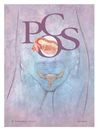
June 2009 in “The Nurse practitioner” Doctors should recognize and treat PCOS early in primary care to manage symptoms and lower risk of other health issues.
 2 citations
,
January 2002 in “Hormone Research in Paediatrics”
2 citations
,
January 2002 in “Hormone Research in Paediatrics” Molecular diagnostics help identify genetic defects causing endocrine diseases, improving diagnosis and treatment options.
 2 citations
,
August 1987 in “Australasian Journal of Dermatology”
2 citations
,
August 1987 in “Australasian Journal of Dermatology” Birth control pills can cause skin issues but may help with acne and hirsutism, and choosing the right type can minimize side effects.
 1 citations
,
August 2021 in “Primary Care Diabetes”
1 citations
,
August 2021 in “Primary Care Diabetes” Pregnant women with COVID-19 and gestational diabetes may face severe complications, and more research is needed on their outcomes.
 1 citations
,
January 2021 in “Journal of biological chemistry/The Journal of biological chemistry”
1 citations
,
January 2021 in “Journal of biological chemistry/The Journal of biological chemistry” FLCN helps control iron levels in cells.
 1 citations
,
November 1996 in “Journal of Cutaneous Medicine and Surgery”
1 citations
,
November 1996 in “Journal of Cutaneous Medicine and Surgery” Hormones, especially androgens, play a key role in causing acne, and treatments like hormone control pills and hormone-blocking medications can help.
 January 2025 in “International Journal of Unani and Integrative Medicine”
 Combining modern and Unani treatments may offer better care for hirsutism in PCOS.
 December 2021 in “Journal of oncology research reviews & reports”
 Polycystic Ovary Syndrome (PCOS) can lead to diabetes, heart disease, cancer, and mental health problems.
 April 2020 in “Journal of the Endocrine Society”
 Non-classic congenital adrenal hyperplasia (NCCAH) can mimic PCOS and requires genetic testing for proper diagnosis and treatment.
 December 2015 in “Kosin Medical Journal”
 PCOS treatment should address both symptoms and metabolic risks, starting with lifestyle changes and possibly including medication.
 75 citations
,
June 1999 in “Pediatric Clinics of North America”
75 citations
,
June 1999 in “Pediatric Clinics of North America” The document concludes that early recognition and treatment of PCOS in adolescents is crucial for managing symptoms and long-term health risks.
 65 citations
,
July 2013 in “International Clinical Psychopharmacology”
65 citations
,
July 2013 in “International Clinical Psychopharmacology” Mood stabilizers like lithium and anticonvulsants have side effects that can lead to patients stopping their medication, and managing these effects is important for treatment adherence.