Search
for
Sort by
Research
840-870 / 1000+ resultsresearch Finasteride 1 mg in alopecia: sexual dysfunction, suicidal ideation. Providing balanced information to male patients is key.
research Physician Awareness of the Safe Use of Cyproterone Acetate in Europe: A Survey on the Effectiveness of Additional Risk Minimization Measures
Most European physicians know the risks and safe use of Cyproterone acetate, but few remember receiving official safety communications.
research Topical minoxidil hair loss therapy may cause chest pains and palpitations,
research [Differences in efficacy between drug-eluting beads transbronchial arterial chemoembolization combined with systemic chemotherapy and systemic chemotherapy alone for unresectable lung squamous cell carcinoma].
Combining DEB-BACE with chemotherapy is more effective and has fewer side effects than chemotherapy alone for treating unresectable lung squamous cell carcinoma.
research America - A Diversity of Life Styles.
The drug showed promise in treating renal cell carcinoma with manageable side effects.
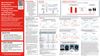
research Most Baricitinib Responders Achieved Full Scalp Hair Regrowth: Findings from Adult and Paediatric BRAVE-AA Trials
Baricitinib effectively regrows scalp hair in most people with severe alopecia areata.
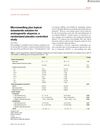
research Microneedling plus topical dutasteride solution for androgenetic alopecia: a randomized placebo‐controlled study
Microneedling with topical dutasteride improves hair growth in men with hair loss and is safe to use.
research Chapter 22 Finasteride
research A consideration when interpreting outpatient data
Objective assessment is needed to accurately determine medication use and adherence.
research Side-Effects of Spironolactone Therapy in the Hirsute Woman
Spironolactone can cause side effects like irregular bleeding, but lower doses may reduce these effects and still improve hirsutism.
research Comparative Evaluation of Topical Betamethasone Dipropionate Lotion 0.05% versus its Combination with Intralesional Triamcinolone Acetonide Injection in Alopecia Areata: A Randomised Controlled Trial
Combining injections with lotion is more effective for hair regrowth in alopecia areata than using the lotion alone.
research 52898 Among scalp non-responder patients with eyebrow/eyelash regrowth in the first year, continued treatment with baricitinib resulted in meaningful scalp responses for patients with severe alopecia areata
Continued baricitinib treatment leads to significant scalp hair regrowth in severe alopecia areata patients.
research Referee report. For: Treatment of chronic telogen effluvium with oral minoxidil: A retrospective study [version 1; referees: 1 approved]
Oral minoxidil effectively reduces hair shedding in women with chronic telogen effluvium.
research Low‐dose oral minoxidil in female patients with lichen planopilaris: Real‐life experience
research Editorial comment
Combination therapy for BPH is more effective in certain men but may not be cost-effective due to minimal impact and potential side effects.
research BH06 (P075) A randomized controlled trial comparing the efficacy and safety of oral tofacitinib vs. methotrexate in moderate-to-severe alopecia areata
Tofacitinib is more effective than methotrexate for treating moderate-to-severe alopecia areata.
research Comparison of cyclosporine and betamethasone minipulse therapy in management of Alopecia Areata
Oral cyclosporine works better than betamethasone minipulse therapy for treating Alopecia Areata.

research EP03 An audit of glucocorticoid prescription in patients with giant cell arteritis
Many patients with Giant Cell Arteritis did not follow their steroid treatment plans properly.
research Hair loss during lithium treatment
Lithium treatment can cause increased hair shedding and hair loss in patients.

research Adverse Reactions to Biologic Medications Used in Allergy and Immunology Diseases
Biologic therapies can cause various adverse events, but allergy/immunology clinicians can manage them.

research Safety and tolerability of low-dose oral minoxidil in adolescents: A retrospective review
The safety and tolerability of low-dose oral minoxidil for treating hair loss in adolescents is not clearly determined.
research Continued treatment with baricitinib results in meaningful scalp responses among scalp non‐responder patients with eyebrow/eyelash regrowth in the first year
Long-term baricitinib treatment can lead to significant scalp hair regrowth in patients initially showing only eyebrow or eyelash regrowth.
research Post-marketing safety profile of cladribine in multiple sclerosis: a disproportionality analysis based on the FDA adverse event reporting system
Cladribine has known risks and potential new safety concerns, requiring careful monitoring.

research [A case of hair loss induced by carbamazepine].
Carbamazepine caused hair loss in a man, which stopped after he stopped taking the drug.
research Update: baricitinib for alopecia areata
Baricitinib is effective and safe for treating severe alopecia areata with ongoing use.
research 5α-Reductase Inhibition Prevents the Luteal Phase Increase in Plasma Allopregnanolone Levels and Mitigates Symptoms in Women with Premenstrual Dysphoric Disorder
High-dose dutasteride reduces PMDD symptoms by stabilizing neurosteroid levels.
research Excessive hair growth around local β‐interferon injection sites for malignant melanoma
β-interferon injections for melanoma can cause excessive hair growth at the injection sites.
research Orthostatic symptoms in women treated with low-dose oral minoxidil in the absence of overt hypotension: Implications for clinical practice
research Review of oral minoxidil as treatment of hair disorders: in search of the perfect dose
Oral minoxidil effectively treats hair loss, with women needing lower doses (0.25 to 2.5 mg daily) and men needing higher doses (1.25 to 5 mg daily).