
Chemotherapy for breast cancer often causes significant and lasting hair loss.
January 2026 in “Journal of Dermatology Research and Therapy” Combination therapy effectively regrows hair and reduces severity in Black children with stubborn Alopecia Areata.
August 2025 in “Anais Brasileiros de Dermatologia” Phenol is effective for skin treatments but poses serious health risks and must be used cautiously by trained doctors.
August 2025 in “Biomolecules” Fibroblast growth factors could be a better, safer treatment for hair loss than current options.
 August 2025 in “Journal of Cosmetic Dermatology”
 Topical treatments and lasers can improve axillary hyperpigmentation, but no best method is established yet.
 July 2025 in “Journal of Dermatological Treatment”
 PRP improves hair growth in androgenic alopecia, especially when combined with minoxidil.
May 2025 in “JAAD reviews.” Current treatments for neutrophilic alopecias in children are limited and often ineffective, especially for males and those of Afro-Caribbean descent.
 May 2025 in “Veterinary Medicine and Science”
 Melatonin improved reproductive function in male Pomeranian dogs with Alopecia X, but more research is needed.
 April 2025 in “BMC Urology”
 Thorough evaluations and conservative management can lead to positive outcomes in pediatric adrenocortical carcinoma.
 March 2025 in “Aging Cell”
 Reducing IGF-1 can help rejuvenate hair follicles and prevent hair graying and loss.
 March 2025 in “Archives of Dermatological Research”
 Combined microneedling with minoxidil improves hair growth more than minoxidil alone but may cause mild side effects.
 January 2025 in “Dermatologic Therapy”
 The laser treatment improved hair appearance and was safe and well-received by patients.
 November 2024 in “Journal of Cosmetic Dermatology”
 Early treatment can reverse hair loss from dermal fillers.
 November 2024 in “Health Science Reports”
 Light/laser therapy can effectively increase hair density in some types of alopecia, especially androgenic alopecia and alopecia areata.
 September 2024 in “Current Oncology”
 Docetaxel often causes hair loss, with limited effective treatments and no cure for permanent hair loss.
August 2024 in “Nutrients” Probiotics help reduce hair loss and increase hair growth in people with androgenic alopecia.
 April 2024 in “International Journal of Dermatology”
 Filler injections can cause temporary hair loss, but hyaluronidase can help restore hair within a few months.
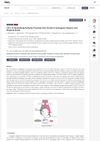 January 2024 in “International Journal of Molecular Sciences”
 Blocking the protein CXCL12 with a specific antibody can increase hair growth in common hair loss conditions.
 January 2024 in “Journal der Deutschen Dermatologischen Gesellschaft”
 Non-biologic immunosuppressive drugs are crucial for treating autoimmune and chronic inflammatory skin diseases.
 October 2023 in “International journal of women’s dermatology”
 Hair camouflage methods like wigs and extensions can help Black women with alopecia feel better but may also damage hair if not used carefully.
 July 2023 in “Photodermatology, Photoimmunology and Photomedicine”
 Infrared radiation can cause skin aging and cancer at high temperatures but may have therapeutic benefits at controlled levels.
 May 2022 in “Journal of the American Academy of Dermatology”
 The document suggests using a topical Vitamin D treatment for hair loss rather than oral supplements and calls for more research.
June 2009 in “Mayo Clinic Proceedings” A woman was diagnosed with porphyria cutanea tarda and improved with phlebotomy and lifestyle changes.
May 2024 in “International journal of molecular sciences” Platelet-derived products help regenerate tissue and are used in various skin and hair treatments.
 June 2023 in “Faculty Opinions – Post-Publication Peer Review of the Biomedical Literature”
 Bicalutamide mesotherapy improved hair density in women with hair loss and was well received.
Baricitinib effectively treats alopecia areata, with over half of patients improving after 52 weeks.
September 2007 in “한국미용학회지” Weekly treatments increased hair density in men with androgenetic alopecia.
 September 2023 in “Journal of The American Academy of Dermatology”
 Reducing the dose of Baricitinib to 2mg led to a loss of hair regrowth benefits in nearly half of the patients by Week-104.
3 citations
,
April 2013 in “The Journal of Urology” December 2013 in “The Journal of Urology”