March 2024 in “Journal of functional biomaterials” A kimchi-derived bacterium could help whiten teeth and prevent bad breath.
30 citations
,
November 2013 in “SLEEP” Blocking testosterone action may improve breathing during NREM sleep in healthy men.
 6 citations
,
February 2016 in “International Journal of Dermatology”
6 citations
,
February 2016 in “International Journal of Dermatology” The true cause of hair suddenly turning white is still unknown.
3 citations
,
May 2024 in “Frontiers in Physiology” Sex hormone supplements help improve breathing and nerve recovery after spinal injury in rats.
 February 2025 in “Journal of Cosmetic Dermatology”
 Temporary facial blanching can occur after Botulinum toxin injections, but it resolves without discomfort.
April 2023 in “Pharmacognosy Magazine” Cerasus serrulata flower extracts can help turn grey hair black again.
 September 2019 in “Acta scientific microbiology”
 No link between how fast you breathe and early grey hair was found.
 15 citations
,
January 2020 in “RSC advances”
15 citations
,
January 2020 in “RSC advances” The new palladium catalyst is effective and reusable for making pharmaceutical ingredients.
 5 citations
,
May 2022 in “Fashion and Textiles”
5 citations
,
May 2022 in “Fashion and Textiles” Hair conditioners with argan oil or camellia oil improve the strength and color of bleached hair.
157 citations
,
April 1997 in “International journal of legal medicine” Cosmetic hair treatments like bleaching and dyeing reduce drug levels in hair samples.
119 citations
,
May 1987 in “The Journal of Dermatologic Surgery and Oncology” Most patients' skin darkening after sclerotherapy fades on its own within 6-24 months.
 63 citations
,
August 1996 in “Forensic Science International”
63 citations
,
August 1996 in “Forensic Science International” Cosmetic treatments like bleaching and perming can greatly reduce opiate levels in hair, possibly leading to false-negative drug tests.
 43 citations
,
September 2001 in “Scanning”
43 citations
,
September 2001 in “Scanning” Hair treatments like bleaching increase friction by exposing tiny pores on the hair surface.
 36 citations
,
October 2014 in “Langmuir”
36 citations
,
October 2014 in “Langmuir” Bleaching hair removes its protective top layer and exposes more hydrophilic groups, changing its chemical surface and affecting how it interacts with products.
33 citations
,
June 1995 in “International journal of legal medicine” Environmental factors can greatly reduce drug levels in hair.
 25 citations
,
May 2019 in “Heliyon”
25 citations
,
May 2019 in “Heliyon” Hair treatments cause significant structural changes, especially with excessive heat, regardless of ethnicity.
 20 citations
,
June 2012 in “British Journal of Dermatology”
20 citations
,
June 2012 in “British Journal of Dermatology” Bleaching hair damages protein structure, especially keratin, leading to weakened hair.
19 citations
,
April 2021 in “Journal of Cosmetic Dermatology” The treatment with silk proteins and linseed polysaccharides effectively protects and repairs chemically damaged hair.
 19 citations
,
July 2018 in “ACS biomaterials science & engineering”
19 citations
,
July 2018 in “ACS biomaterials science & engineering” Bleaching and combing damage hair's surface and mechanical properties.
15 citations
,
June 2019 in “JEADV. Journal of the European Academy of Dermatology and Venereology/Journal of the European Academy of Dermatology and Venereology” Chemical and physical treatments like bleaching, dyeing, and UV radiation damage both Caucasian and Afro-ethnic hair.
15 citations
,
July 2001 in “Clinics in Dermatology” Current hair removal methods improve appearance but need more research for better options.
11 citations
,
January 2000 in “Journal of cosmetic science” Hydrolyzed wheat proteins penetrate all hair types effectively.
8 citations
,
February 2022 in “International Journal of Dermatology” Lipids are crucial for healthy hair, protecting it from damage and breakage.
 8 citations
,
January 2009 in “Transactions of the Materials Research Society of Japan”
8 citations
,
January 2009 in “Transactions of the Materials Research Society of Japan” Water-soluble wool keratin can protect human hair from damage during treatments.
7 citations
,
January 1995 Silicone pretreatment protects hair from damage and reduces color fading without interfering with bleaching or dyeing.
 6 citations
,
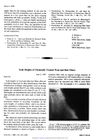
March 1998 in “Textile Research Journal”
6 citations
,
March 1998 in “Textile Research Journal” Chemical treatments can change the scale heights of wool and cashmere fibers, affecting their identification.
 4 citations
,
December 2018 in “Macedonian Journal of Chemistry and Chemical Engineering”
4 citations
,
December 2018 in “Macedonian Journal of Chemistry and Chemical Engineering” A new method accurately measures amino acids in treated hair, showing bleaching reduces amino acids while protein treatments increase them.
3 citations
,
May 2012 in “Journal of Biological Macromolecules” Keratin film can effectively mimic human hair for testing hair damage.
3 citations
,
October 2006 in “Journal of dermatology” X-ray microscopy can non-invasively show hair structure changes after treatments, but it's less detailed than TEM and needs improvement.
2 citations
,
September 2008 in “International Journal of Cosmetic Science” Brushing causes more long hair breaks than combing, especially with bleached or wet hair.