 17 citations
,
January 2019 in “Journal of cancer”
17 citations
,
January 2019 in “Journal of cancer” The formula YH0618 can reduce the harmful side effects of the chemotherapy drug Doxorubicin and protect healthy cells.
 4 citations
,
January 2019 in “Dermatologic Therapy”
4 citations
,
January 2019 in “Dermatologic Therapy” Scalp basal cell carcinoma may be more aggressive and harder to treat than other types, requiring special attention and further research.
 60 citations
,
September 2013 in “Alimentary Pharmacology & Therapeutics”
60 citations
,
September 2013 in “Alimentary Pharmacology & Therapeutics” Immunosuppressive and anti-TNF therapies in IBD patients can increase the risk of skin cancer and cause various skin issues.
8 citations
,
September 2015 in “Radiotherapy and oncology” Scalp cooling does not stop hair loss from radiotherapy.
 June 2021 in “Research Square (Research Square)”
 Adverse events in lung cancer treatments increase fear, anxiety, and depression, with newer therapies causing fewer side effects.
15 citations
,
April 2011 in “The journal of investigative dermatology/Journal of investigative dermatology” A3B5 can reduce skin pigmentation and slow melanoma growth.
April 2026 in “IntechOpen eBooks” Burn injuries can cause long-term itching, skin color changes, and cancer risks, needing personalized treatment.
 1 citations
,
October 2022 in “Дерматовенерология Косметология”
1 citations
,
October 2022 in “Дерматовенерология Косметология” EGFR inhibitors for lung cancer can cause severe skin issues.
 10 citations
,
August 2016 in “Oxford Medical Case Reports”
10 citations
,
August 2016 in “Oxford Medical Case Reports” Tocilizumab therapy may cause skin and hair conditions like halo naevi, vitiligo, and alopecia areata.
3 citations
,
August 2022 in “International Journal of Molecular Sciences” TSC2-/meth cells can cause skin lesions, hair growth, and lung issues, and may be treated with chromatin remodeling agents.
 14 citations
,
January 2005 in “Pediatric Dermatology”
14 citations
,
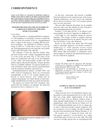
January 2005 in “Pediatric Dermatology” UVA1-light therapy successfully treated a child's skin condition, mycosis fungoides.
 4 citations
,
February 2022 in “JAAD case reports”
4 citations
,
February 2022 in “JAAD case reports” The document concludes that low-dose oral minoxidil successfully regrew hair in a patient with permanent hair loss after chemotherapy and stem cell transplant.
 25 citations
,
January 2017 in “Steroids”
25 citations
,
January 2017 in “Steroids” Allopregnanolone increases growth and changes gene activity in human brain cancer cells.
1 citations
,
January 2020 in “Skin Appendage Disorders” Treatment with methotrexate and prednisolone led to complete hair regrowth and no relapse for 2 years.
5 citations
,
May 2022 in “Clinical & Experimental Metastasis” Minoxidil and ranolazine together can reduce the spread of certain breast cancer cells.
 20 citations
,
October 2003 in “The Journal of Dermatology”
20 citations
,
October 2003 in “The Journal of Dermatology” DCP therapy causes side effects like weakness, flushing, headaches, and taste changes, but less frequently causes hypertension and diabetes.
 2 citations
,
October 2022 in “Current Allergy and Asthma Reports”
2 citations
,
October 2022 in “Current Allergy and Asthma Reports” Biologic therapies can cause various adverse events, but allergy/immunology clinicians can manage them.
1 citations
,
January 2026 in “International Journal of Dermatology” Amivantamab can cause severe skin eruptions and scarring, requiring drug discontinuation and early treatment.
 May 2026 in “Zenodo (CERN European Organization for Nuclear Research)”
 ONCO-NK-TRANSITION-GM1 is a low-cost, effective cancer treatment with a high cure rate and no severe side effects.
 May 2026 in “Zenodo (CERN European Organization for Nuclear Research)”
 ONCO-NK-TRANSITION-GM1 is a low-cost, effective cancer treatment with a high cure rate and no severe side effects.
 September 2017 in “Journal of Investigative Dermatology Symposium Proceedings”
 A 73-year-old woman with Hypopigmented Mycosis Fungoides, a rare skin lymphoma, experienced disease progression despite treatment, emphasizing the need for ongoing monitoring.
173 citations
,
July 2012 in “British Journal of Dermatology” Dabrafenib can cause skin growths and sometimes low-grade skin cancer.
September 2017 in “Journal of Investigative Dermatology” Photodynamic therapy can potentially remove nonpigmented hair by damaging hair follicles.
July 2024 in “Journal of Investigative Dermatology” PH-762 shows promise in treating skin cancer by effectively targeting and silencing PD-1 in tumors with minimal side effects.
January 2020 in “JAAD case reports” Systemic mastocytosis may cause a type of hair loss called cicatricial alopecia.
July 2022 in “Journal of Investigative Dermatology”  March 2014 in “Journal of The American Academy of Dermatology”
 Tavaborole is a safe and effective toenail fungus treatment, with the 5% solution being the best option.
 April 2024 in “Authorea (Authorea)”
 Stopping heptaminol medication reversed hair color loss in a patient on dialysis.
5 citations
,
January 2000 in “Inhalation Toxicology” Aqueous dispersion resin is safe to inhale at levels below 30 mg/m³.
July 2025 in “Journal of Investigative Dermatology” Leflunomide may reduce the risk of alopecia areata, while methotrexate, cyclosporine, and rituximab may increase it.