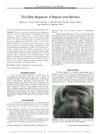
 5 citations
,
April 2016 in “The American Journal of Dermatopathology”
5 citations
,
April 2016 in “The American Journal of Dermatopathology” A tick bite caused temporary hair loss in a man, which is a rare condition that usually gets better within 3 months.
July 2025 in “SKIN The Journal of Cutaneous Medicine” Most patients with alopecia areata see significant hair regrowth within 93 days of starting ritlecitinib treatment.
 January 2021 in “American Academy of PediatricsItasca, IL eBooks”
 Telogen effluvium is a condition that causes temporary hair loss due to stress or shock to the body.
 February 1994 in “PubMed”
 Telogen effluvium is a type of temporary hair loss.
20 citations
,
February 2004 in “Clinical & Experimental Immunology” SADBE treatment led to complete hair regrowth in mice with alopecia areata by altering immune cell movement.
 December 2024 in “Ukrainian Journal of Dermatology Venerology Cosmetology”
 "Alpenta" effectively reduces hair loss and improves hair growth in women with telogen effluvium.
 April 2024 in “Clinical and experimental dermatology”
 Tofacitinib is effective for severe alopecia areata, similar to oral betamethasone.
July 2024 in “Journal of Investigative Dermatology” ITK inhibitors may effectively treat alopecia areata.
 January 2013 in “Jaypee Brothers Medical Publishers (P) Ltd. eBooks”
 Telogen effluvium is a condition that causes temporary hair loss.
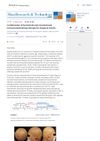 July 2023 in “Skin Research and Technology”
 Baricitinib combined with other immune therapies may safely and effectively treat severe scalp hair loss.
 3 citations
,
April 2010 in “Clinical Neuropharmacology”
3 citations
,
April 2010 in “Clinical Neuropharmacology” Finasteride helps treat eyelid spasms.
 July 2022 in “SKIN The Journal of Cutaneous Medicine”
 A new lotion with halobetasol and tazarotene successfully treats acne keloidalis nuchae.
 2 citations
,
April 2022 in “Cutaneous and Ocular Toxicology”
2 citations
,
April 2022 in “Cutaneous and Ocular Toxicology” Tofacitinib may help treat hair loss in children with alopecia areata.
1 citations
,
July 2024 in “Journal of Investigative Dermatology” VYN201 shows promise as a safe and effective treatment for non-segmental vitiligo.
2 citations
,
October 2022 in “Dermatologic Therapy” Baricitinib may effectively treat lichen planopilaris.
 2 citations
,
December 2019 in “Leprosy Review”
2 citations
,
December 2019 in “Leprosy Review” A woman's hair loss and skin discoloration were found to be caused by a rare case of leprosy on the scalp, not alopecia-vitiligo overlap.
 8 citations
,
October 2019 in “Dermatologic Therapy”
8 citations
,
October 2019 in “Dermatologic Therapy” Bicalutamide improves hair density in women safely.
24 citations
,
May 2000 in “Journal of the American Academy of Dermatology” Pseudopelade can affect both the scalp and beard, causing hair loss.
43 citations
,
November 2009 in “Archives of dermatology” Alefacept does not effectively treat severe alopecia areata.
14 citations
,
August 2013 in “Journal of Parasitology” Mite infestations severely harm the health of endangered Amargosa voles.
1 citations
,
June 2016 in “Medicina” Monilethrix is a genetic disorder causing brittle hair, diagnosed using tricoscopy.
2 citations
,
February 2025 in “Archives of Dermatological Research” Baricitinib is a safe and effective alternative for alopecia areata patients who do not respond to tofacitinib.
 July 2022 in “Forte Journal”
 Higher concentrations of bitter melon extract increase hair growth, with 15% being the most effective.
March 2022 in “Oncology Times” Tebentafusp-tebn improves survival rates in uveal melanoma patients but has common side effects like rash and fatigue.
 May 2026 in “Zenodo (CERN European Organization for Nuclear Research)”
 The herbal hair dye with Barleria prionitis is a safe, effective, and natural alternative to chemical dyes.
5 citations
,
December 2023 in “Journal of the European Academy of Dermatology and Venereology”  April 2016 in “The journal of investigative dermatology/Journal of investigative dermatology”
 Applying the anti-cancer drug Bortezomib to skin can promote hair growth and increase hair proteins through the GATA-3 factor.
July 2025 in “Journal of Investigative Dermatology” Low-level laser therapy reduces symptoms and inflammation in frontal fibrosing alopecia.