 84 citations
,
January 1990 in “Journal of The American Academy of Dermatology”
84 citations
,
January 1990 in “Journal of The American Academy of Dermatology” Skin grafting can help repigment vitiligo, but it's less effective for widespread cases due to the Koebner phenomenon.
15 citations
,
January 2013 in “Dermatologic Surgery” Epithelial grafting can effectively repigment white hair in vitiligo patients.
 March 2018 in “John Wiley & Sons, Ltd eBooks”
 Surgical therapies for vitiligo vary in effectiveness, with combination therapy and medical tattooing recommended for better results.
 3 citations
,
October 2010 in “Dermatologic Surgery”
3 citations
,
October 2010 in “Dermatologic Surgery” The new surgical technique for vitiligo is effective, safe, and cost-efficient.
 July 2024 in “International Journal of Dermatology Venereology and Leprosy Sciences”
 Surgical treatments for vitiligo are safe and effective for some patients.
78 citations
,
August 2014 in “Anais Brasileiros de Dermatologia” New vitiligo treatments focus on controlling immune damage and restoring skin color.
 60 citations
,
April 2006 in “International Journal of Dermatology”
60 citations
,
April 2006 in “International Journal of Dermatology” Surgical methods like suction blister grafting and split-thickness skin grafting are highly successful for vitiligo repigmentation, but choosing the right patients is crucial for success.
Hair transplantation showed the most promise for repigmenting white hair, especially for eyebrows and eyelashes.
 December 2024 in “Journal of Clinical Medicine of Kazakhstan”
 Vitiligo treatments include JAK inhibitors, UVB phototherapy, and dietary changes, with emotional support being important.
 June 2026 in “Clinical Cosmetic and Investigational Dermatology”
 Cell-based therapies offer better repigmentation for larger vitiligo areas, with CD8+ T cell count as a potential biomarker for success.
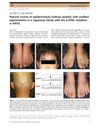 3 citations
,
January 2019 in “Journal of Dermatology”
3 citations
,
January 2019 in “Journal of Dermatology” The p.P25L mutation in the KRT5 gene causes a rare skin condition that worsens over time and may lead to hair loss starting in young adulthood.
 8 citations
,
March 2017 in “Journal of Cosmetic and Laser Therapy”
8 citations
,
March 2017 in “Journal of Cosmetic and Laser Therapy” Punch grafting treats vitiligo faster but can cause a cobblestone look, while follicular hair transplantation is slower but looks better and has no side effects.
 52 citations
,
February 2012 in “Plastic Surgery International”
52 citations
,
February 2012 in “Plastic Surgery International” Skin grafting is a key procedure for repairing skin defects, with the success depending on the right graft choice, donor site management, and aftercare.
 26 citations
,
February 2011 in “Journal of Plastic Reconstructive and Aesthetic Surgery”
26 citations
,
February 2011 in “Journal of Plastic Reconstructive and Aesthetic Surgery” Technique effectively treats deformities, achieves re-pigmentation, and releases scar contractures.
 7 citations
,
August 2015 in “Journal der Deutschen Dermatologischen Gesellschaft”
7 citations
,
August 2015 in “Journal der Deutschen Dermatologischen Gesellschaft” Scalp-to-scalp skin grafts quickly heal and hide well under regrown hair, making them good for repairing large scalp defects.
 April 2018 in “Dermatologic Surgery”
 A new surgical technique using vellus hair grafts effectively treated vitiligo without causing unwanted hair growth.
 April 2020 in “bioRxiv (Cold Spring Harbor Laboratory)”
 Skin healing from blisters can delay hair growth as stem cells focus on repairing skin over developing hair.

Silk sericin dressing with collagen heals wounds faster and improves scar quality better than Bactigras.

Melanocyte transplantation can safely restore skin color, especially in stable vitiligo, but must be chosen carefully based on the disease phase.
 6 citations
,
July 2017 in “Clinics in Plastic Surgery”
6 citations
,
July 2017 in “Clinics in Plastic Surgery” The document concludes that individualized reconstruction plans are essential for improving function and appearance after head and neck burns.
 2 citations
,
June 2024 in “Archives of Dermatological Research”
2 citations
,
June 2024 in “Archives of Dermatological Research” Combining FCS and MPG is more effective for treating stable vitiligo than using either alone.
 67 citations
,
October 1997 in “Dermatologic Surgery”
67 citations
,
October 1997 in “Dermatologic Surgery” The EpiLight Hair Removal System removed about 60% of hair with some side effects, and more research is needed to confirm long-term effectiveness.
 55 citations
,
October 2009 in “Clinics in Plastic Surgery”
55 citations
,
October 2009 in “Clinics in Plastic Surgery” Burn reconstruction improves with new techniques, materials, and tissue engineering.
 1 citations
,
January 2019 in “Elsevier eBooks”
1 citations
,
January 2019 in “Elsevier eBooks” New scaffold materials help heal severe skin wounds and improve skin regeneration.

Surgical repigmentation can permanently restore color to white hair in vitiligo patients.
10 citations
,
June 2021 in “EMBO reports” When skin blisters, healing the wound is more important than growing hair, and certain stem cells mainly fix the blisters without helping hair growth.
 5 citations
,
October 2018 in “American Journal of Clinical Dermatology”
5 citations
,
October 2018 in “American Journal of Clinical Dermatology” Skin problems are common after stem cell transplants, and early treatment by dermatologists can improve patient outcomes.
 September 2022 in “Frontiers in genetics”
 A Chinese male with a new genetic mutation has a skin condition and severe urinary issues, with treatments having mixed success.
 September 2015 in “Actas Dermo-Sifiliográficas”
 People with advanced chronic kidney disease often have skin problems, which can be treated with various medications and procedures to improve their quality of life.
 69 citations
,
April 1998 in “Journal of The American Academy of Dermatology”
69 citations
,
April 1998 in “Journal of The American Academy of Dermatology” Single hair grafting is effective for treating small, localized patches of vitiligo.