 105 citations
,
February 2017 in “British Journal of Dermatology”
105 citations
,
February 2017 in “British Journal of Dermatology” Survivors of Stevens-Johnson syndrome/toxic epidermal necrolysis need ongoing care for various long-term health problems.
 12 citations
,
February 2008 in “Journal of The American Academy of Dermatology”
12 citations
,
February 2008 in “Journal of The American Academy of Dermatology” Combining skin tissue pathology with genetics has greatly improved the diagnosis and understanding of certain skin diseases.
 9 citations
,
May 2005 in “Facial plastic surgery”
9 citations
,
May 2005 in “Facial plastic surgery” Laser hair removal can be safe and effective for dark-skinned individuals with the right laser settings.
 1 citations
,
September 2019 in “Journal of Investigative Dermatology”
1 citations
,
September 2019 in “Journal of Investigative Dermatology” The research showed that CRISPR/Cas9 can fix mutations causing a skin disease in stem cells, which then improved skin grafts in mice, but more work on safety and efficiency is needed.
 July 2021 in “International journal of dermatology, venereology and leprosy sciences”
 Diphenylcyclopropenone is more effective and has fewer side effects than dinitrochlorobenzene for treating alopecia areata.
 September 2013 in “Experimental Dermatology”
 The document concluded that stem cells are crucial for skin repair, regeneration, and may help in developing advanced skin substitutes.
 147 citations
,
January 2003 in “American journal of clinical dermatology”
147 citations
,
January 2003 in “American journal of clinical dermatology” The document concludes that accurate diagnosis of ichthyosis is crucial for treatment and genetic advice, and ongoing research is needed for better therapies.

Doctors should consider Netherton syndrome in patients with chronic skin and hair issues to avoid misdiagnosis.
 195 citations
,
January 2008 in “Photochemistry and Photobiology”
195 citations
,
January 2008 in “Photochemistry and Photobiology” Visible light can damage skin and most sunscreens don't block it well; more research is needed on its effects and protection methods.
 172 citations
,
November 1983 in “Journal of The American Academy of Dermatology”
172 citations
,
November 1983 in “Journal of The American Academy of Dermatology” Chemotherapy can cause skin problems like hair loss, mouth sores, and skin darkening, and recognizing these can affect treatment decisions.
 43 citations
,
November 2018 in “Nature Communications”
43 citations
,
November 2018 in “Nature Communications” Genetic variations affecting skin structure play a key role in severe acne.
 18 citations
,
January 2020 in “Acta dermato-venereologica”
18 citations
,
January 2020 in “Acta dermato-venereologica” Over 67 genes linked to ichthyosis help improve diagnosis and treatment.
 16 citations
,
January 2005 in “Pediatric Dermatology”
16 citations
,
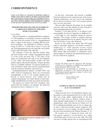
January 2005 in “Pediatric Dermatology” A 10-year-old girl with Fox Fordyce disease improved with treatment, suggesting the disease can occur before puberty and might be underdiagnosed in young girls.
 15 citations
,
November 2002 in “Cardiology in Review”
15 citations
,
November 2002 in “Cardiology in Review” Cardiovascular drugs can cause various skin problems, so recognizing these reactions is important.
 10 citations
,
October 2017 in “Archivos Argentinos De Pediatria”
10 citations
,
October 2017 in “Archivos Argentinos De Pediatria” Most hospitalized children with skin issues were boys, with allergic skin diseases like atopic dermatitis being most common, and treatments were usually topical.
 9 citations
,
January 2005 in “Pediatric Dermatology”
9 citations
,
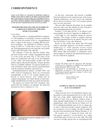
January 2005 in “Pediatric Dermatology” Fox Fordyce disease can occur in prepubertal girls and may be underdiagnosed.
 9 citations
,
July 2002 in “Journal of the European Academy of Dermatology and Venereology”
9 citations
,
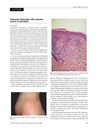
July 2002 in “Journal of the European Academy of Dermatology and Venereology” The document concludes that fexofenadine reduces inflammation in chronic hives, cholestyramine helps half of pregnant women with itchy rashes, and relaxing incisions are a good alternative in facial surgery for the elderly.
 2 citations
,
March 2019 in “Veterinary dermatology”
2 citations
,
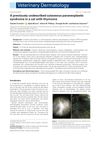
March 2019 in “Veterinary dermatology” Thymoma in cats can cause hair loss without inflammation.
 2 citations
,
October 2016
2 citations
,
October 2016 Chemotherapy and radiotherapy can cause skin side effects like rashes, hair loss, and nail changes, which are usually managed with conservative treatments.
 January 2020 in “Medical journal of clinical trials & case studies”
 A 37-year-old male with severe skin and internal issues has a rare inherited skin condition called dystrophic epidermolysis bullosa.
 April 2016 in “Journal of the American Academy of Dermatology”
 Dermoscopy helped correctly diagnose a skin condition that was previously misidentified as a different hair loss disease.
 January 2009 in “Springer eBooks”
 The document concludes that managing skin conditions during pregnancy is important and requires specialized care.
 June 2008 in “Springer eBooks”
 The document concludes that permanent hair loss conditions are complex, require early specific treatments, and "secondary permanent alopecias" might be a more accurate term than "secondary cicatricial alopecia."
 April 2003 in “Experimental Dermatology”
 The workshop highlighted the genetic links and psychological impacts of hair loss and skin disorders.
 3 citations
,
September 2005 in “Experimental dermatology”
3 citations
,
September 2005 in “Experimental dermatology” The cornified envelope is crucial for skin's barrier function and involves key proteins and genetic factors.
 7 citations
,
January 2013 in “The journal of investigative dermatology/Journal of investigative dermatology”
7 citations
,
January 2013 in “The journal of investigative dermatology/Journal of investigative dermatology” T-cell reconstitution after thymus transplantation can cause hair whitening and loss.
 74 citations
,
September 1980 in “Medical Clinics of North America”
74 citations
,
September 1980 in “Medical Clinics of North America” Toxic epidermal necrolysis is a severe skin condition often caused by drugs, with complex treatment and a high risk of death, but survivors usually heal without scars.
 66 citations
,
June 2018 in “British Journal of Dermatology”
66 citations
,
June 2018 in “British Journal of Dermatology” European guidelines recommend regular eye and ear exams, skin care, vitamin D supplements, and cautious use of medications for managing congenital ichthyoses.
 53 citations
,
January 2017 in “Skin appendage disorders”
53 citations
,
January 2017 in “Skin appendage disorders” Botulinum toxin shows promise for various skin conditions but requires more research for confirmation and standardized use.
 31 citations
,
November 2000 in “Journal of the European Academy of Dermatology and Venereology”
31 citations
,
November 2000 in “Journal of the European Academy of Dermatology and Venereology” Skin problems can be linked to sexual abuse, requiring careful medical and psychological evaluation.