 March 2026 in “Inflammopharmacology”
 Ursolic acid from Ochrosia elliptica leaves may help manage PCOS symptoms.

Tridax procumbens may boost the immune system.
 December 2023 in “International Journal of Science and Research (IJSR)”
 Herbal treatments are effective and preferred for hair loss with fewer side effects.

Bee pollen, green tea, essential oils, and various plant extracts improve skin and hair health.
 March 2024 in “Revista Agraria Academica”
 The Mediterranean dwarf palm has medicinal, nutritional, and craft uses, but more research is needed.
 31 citations
,
May 2012 in “European Journal of Dermatology”
31 citations
,
May 2012 in “European Journal of Dermatology” Menopause affects hair and skin; more research needed for treatment.
 21 citations
,
June 2017 in “Journal of Dermatological Treatment”
21 citations
,
June 2017 in “Journal of Dermatological Treatment” Topical cetirizine improves hair density and thickness in androgenetic alopecia, but more research is needed.
 13 citations
,
February 2019 in “Journal of Microencapsulation”
13 citations
,
February 2019 in “Journal of Microencapsulation” The pumpkin seed oil niosomes are promising for skin and hair treatments because they are stable and effectively deliver the oil.
 3 citations
,
February 2008 in “Basic and clinical dermatology”
3 citations
,
February 2008 in “Basic and clinical dermatology” Telogen Effluvium is a hair loss condition where treatment involves identifying and managing its triggers.
 1 citations
,
January 2011
1 citations
,
January 2011 The document concludes that androgenetic alopecia is common, has a genetic link, and can be diagnosed and treated with medications like finasteride and minoxidil.
 March 2024 in “International journal of pharmaceutical sciences and drug research”
 Androgenetic alopecia is influenced by various factors and can be treated with medications, procedures, and non-drug methods.
Herbal remedies might help with hair loss but need more research for safety and effectiveness.
 1 citations
,
January 2025 in “Frontiers in Oncology”
1 citations
,
January 2025 in “Frontiers in Oncology” REV7 is crucial for genome stability and cancer treatment, making it a potential target for therapy.
 136 citations
,
May 2016 in “Phytotherapy Research”
136 citations
,
May 2016 in “Phytotherapy Research” Turmeric may have benefits for skin health, but more research is needed to confirm its effectiveness.
 39 citations
,
June 2017 in “Journal of Applied Research on Medicinal and Aromatic Plants”
39 citations
,
June 2017 in “Journal of Applied Research on Medicinal and Aromatic Plants” Plant-based ingredients are effective and safe for modern skincare products.
 August 2022 in “International journal of research in pharmacy and chemistry”
 Teak is a durable, termite-resistant wood with medicinal benefits.
 January 2020 in “Asian journal of applied science and technology”
 Good nutrition is crucial for health and preventing disease, and supplements can help prevent nutrient deficiencies.
 9 citations
,
July 2021 in “Journal of Natural Medicines”
9 citations
,
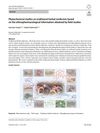
July 2021 in “Journal of Natural Medicines” Over 150 new molecules with biological activities were found in traditional herbal medicines, some with potential for new drug development.
 8 citations
,
April 2020 in “Journal of Ethnopharmacology”
8 citations
,
April 2020 in “Journal of Ethnopharmacology” Herbs might help with hair loss, but more research is needed to confirm their safety and effectiveness.
 5 citations
,
February 2011 in “Expert Opinion on Drug Discovery”
5 citations
,
February 2011 in “Expert Opinion on Drug Discovery” We need better treatments for hair loss, and while test-tube methods are helpful, they can't fully replace animal tests for evaluating new hair growth treatments.
 46 citations
,
August 2019 in “Journal of Ethnopharmacology”
46 citations
,
August 2019 in “Journal of Ethnopharmacology” Eclipta prostrata has many traditional uses and health benefits, but more research is needed to understand how it works and ensure it's safe.
 53 citations
,
April 2018 in “Journal of The American Academy of Dermatology”
53 citations
,
April 2018 in “Journal of The American Academy of Dermatology” Cancer treatments often cause hair disorders, significantly affecting patients' quality of life, and better management methods are needed.
 10 citations
,
December 2019 in “International journal of medicinal chemistry”
10 citations
,
December 2019 in “International journal of medicinal chemistry” Chemicals from the plant Dicerocaryum senecioides were found to safely speed up and increase hair growth in mice.
 January 2017 in “Clinical approaches and procedures in cosmetic dermatology”
 Men are increasingly seeking quick-result cosmetic treatments for their thicker, oilier skin and hair loss issues.
August 2021 in “Asian Journal of Pharmaceutical and Clinical Research” Plant extracts in shampoo improved hair thickness and density in men with hair loss.
1 citations
,
June 2021 in “Journal of pharmacopuncture” CBD may help restore hair growth-related protein levels in alopecia caused by hormones or other factors.
1 citations
,
February 2017 in “PubMed” The supplement may help hair growth and is safe, but more research is needed.
7 citations
,
May 2021 in “Dermatologic Clinics” Nutraceuticals like Ashwagandha and Astaxanthin may help with hair loss, but supplement regulation is challenging.
March 2026 in “Journal of the American Academy of Dermatology” A holistic approach, including diet and stress management, may improve androgenetic alopecia treatment outcomes.
49 citations
,
November 2019 in “Archives of Dermatological Research”