 June 2024 in “ESMO Gastrointestinal Oncology”
 The combination treatment showed a higher response rate but no significant survival benefits.
 1 citations
,
March 2015 in “Journal of the European Academy of Dermatology and Venereology”
1 citations
,
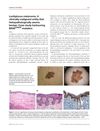
March 2015 in “Journal of the European Academy of Dermatology and Venereology” A clinically suspected melanoma appeared benign under the microscope but was confirmed by specific tests and a rare mutation.
 7 citations
,
May 2020 in “Trends in molecular medicine”
7 citations
,
May 2020 in “Trends in molecular medicine” The document concludes that the immune-inhibitory environment of the hair follicle may prevent melanoma development.
 3 citations
,
May 2018 in “The American Journal of Medicine”
3 citations
,
May 2018 in “The American Journal of Medicine” A woman's long-term scalp issues were diagnosed as a rare skin disorder called cutaneous Langerhans cell histiocytosis.
Moles may stop growing because of cell cooperation, not just because of aging cells.
 October 2023 in “Pediatric blood & cancer”
 Thymic LCH may be underdiagnosed, so thymic ultrasound should be considered in infants with cutaneous LCH.
Moles may stop growing due to cell cooperation, not just because of individual cell aging.
 29 citations
,
April 2019 in “Acta neuropathologica communications”
29 citations
,
April 2019 in “Acta neuropathologica communications” Stopping mitochondrial respiration can prevent brain cancer spread in skin cancer patients, and plant compound β-sitosterol could help achieve this.
Keratinocytes can reduce the survival of certain melanoma cells, suggesting new therapy paths.
September 2022 in “Scientific Reports” Scalp melanoma is more common and easier to diagnose early in people with androgenetic alopecia due to sun damage.
September 2023 in “Journal of the American Academy of Dermatology” BAP1 mutations are rare in pediatric melanocytic tumors and may develop later in life.
Keratinocytes can reverse the effects of the GNAQ oncogene, inhibiting melanoma cell growth.
The microenvironment affects the behavior and survival of melanocytes with the GNAQ oncogene in melanoma.
82 citations
,
March 2013 in “PLoS ONE” Vemurafenib causes skin side effects similar to RASopathies, requiring regular skin checks and UVA protection.
September 2006 in “Experimental Dermatology” Targeting multiple pathways and understanding genetic mutations are crucial for effective melanoma therapy.
 April 2016 in “Journal of Investigative Dermatology”
 Mefloquine, an antimalarial drug, is effective in killing melanoma cells resistant to other treatments by causing lethal stress in the cells.
 6 citations
,
April 2013 in “Current Dermatology Reports”
6 citations
,
April 2013 in “Current Dermatology Reports” Dermatologists are crucial for managing skin side effects in metastatic melanoma patients using vemurafenib and ipilimumab.
 November 2014 in “British Journal of Dermatology”
 Male hair loss is mainly due to thinner hair, not less hair.
188 citations
,
October 2014 in “Thyroid” Dabrafenib was effective and well tolerated in treating thyroid cancer with a specific mutation.
31 citations
,
March 2014 in “Journal of the European Academy of Dermatology and Venereology” BRAF inhibitors for melanoma often cause skin side effects, but they can be managed with proper care.
 3 citations
,
June 2021 in “PLOS ONE”
3 citations
,
June 2021 in “PLOS ONE” A topical BRAF inhibitor, vemurafenib, can speed up wound healing and promote hair growth, especially in diabetic patients.
 179 citations
,
October 2018 in “American Journal of Clinical Dermatology”
179 citations
,
October 2018 in “American Journal of Clinical Dermatology” Cancer treatments targeting specific cells and the immune system can cause skin, mouth, hair, and nail problems, affecting patients' quality of life and treatment adherence.
 88 citations
,
July 2014 in “Journal of the American Academy of Dermatology”
88 citations
,
July 2014 in “Journal of the American Academy of Dermatology” Targeted cancer therapies often cause skin reactions, so dermatologists must manage these effects.
 25 citations
,
May 2018 in “Clinical & Translational Oncology”
25 citations
,
May 2018 in “Clinical & Translational Oncology” New melanoma treatments can cause skin side effects, including skin cancer and rashes, but combining treatments may reduce these risks.
 21 citations
,
March 2015 in “Journal of The American Academy of Dermatology”
21 citations
,
March 2015 in “Journal of The American Academy of Dermatology” Vemurafenib therapy can cause hair loss, but clobetasol propionate foam can help regrow hair.
 4 citations
,
January 2016 in “Dermatology Review”
4 citations
,
January 2016 in “Dermatology Review” Cancer treatments often cause skin, nail, and hair problems.
 1 citations
,
March 2019 in “Actas Dermo-Sifiliográficas”
1 citations
,
March 2019 in “Actas Dermo-Sifiliográficas” New cancer treatments are less harmful to hair but can still cause hair loss, color, shape, and growth changes.
 3 citations
,
October 2021 in “Clinical, Cosmetic and Investigational Dermatology”
3 citations
,
October 2021 in “Clinical, Cosmetic and Investigational Dermatology” Scalp melanoma, a deadly skin cancer, is often found late due to its hard-to-see location, especially in older men. Early detection, possible treatments, and the role of hairdressers in spotting it early are discussed. More research is needed to improve detection and treatment.
 21 citations
,
February 2013 in “Clinics in Dermatology”
21 citations
,
February 2013 in “Clinics in Dermatology” New treatments for advanced skin cancer are improving patient outcomes, but drug resistance and finding the right treatment combinations are still big challenges.
 2 citations
,
January 2018 in “Elsevier eBooks”
2 citations
,
January 2018 in “Elsevier eBooks” Targeted therapies for lung cancer are effective but require careful management of side effects to benefit patients.