52 citations
,
June 2009 in “Clinical Toxicology” Polonium poisoning is diagnosed by detecting it in urine and feces, and treated with supportive care, infection prevention, and chelation therapy.
18 citations
,
March 2009 in “Skin pharmacology and physiology” Sunlight damages hair, causing cuticle loss, protein changes, and discoloration.
 3 citations
,
May 2019 in “Cytotherapy”
3 citations
,
May 2019 in “Cytotherapy” ATIR101 improves survival in stem cell transplant patients; Australian stem cell treatment decisions are influenced by regulation changes.
 2 citations
,
September 2023 in “PLoS biology”
2 citations
,
September 2023 in “PLoS biology” Newly divided skin cells quickly move to join skin structures due to tissue tension and specific signals.
 October 2023 in “The American Journal of Gastroenterology”
 Cronkhite-Canada syndrome is rare, with high mortality and cancer risk, needing more research for treatment guidelines.
 January 2023 in “bioRxiv (Cold Spring Harbor Laboratory)”
 Newly born mesenchymal cells quickly spread out in response to tissue tension during early development.
 3 citations
,
July 1997 in “The Lancet”
3 citations
,
July 1997 in “The Lancet” Finasteride may increase hair growth and prevent baldness in men, but can cause sexual side effects.
 July 1997 in “The Lancet”
 Finasteride increased hair count and regrowth in men with hair loss but also caused more sexual side effects than placebo.
 September 2013 in “Science”
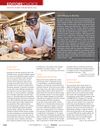
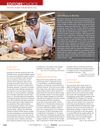
 Undergraduate research experiences boost students' research skills, confidence, and career aspirations.
 September 2013 in “Science”
 Human stem cells can aid stroke recovery, research experiences boost students' career aspirations, minoxidil may reduce cancer spread, a molecule can slow tumor growth, a protein affects water flow in cells, magnesium behaves differently at tiny scales, and a new method detects slow-moving objects.
 September 2013 in “Science”
 Special astroglia cells improved stroke recovery in rats, a hair growth drug reduced cancer spread, and tiny magnesium structures were more easily shaped.
 September 2013 in “Science”
 Special astrocytes improved learning and memory in rats after a stroke.
 September 2013 in “Science”
 Transplanted human Olig2+ astroglia may help improve learning and memory after a stroke.
 24 citations
,
January 2003 in “Journal of Investigative Dermatology”
24 citations
,
January 2003 in “Journal of Investigative Dermatology” Blocking a specific receptor slows down hair loss in mice.
 15 citations
,
January 2016 in “Journal of cell science & therapy”
15 citations
,
January 2016 in “Journal of cell science & therapy” Using a patient's own tissue for micro-grafts may effectively treat non-healing leg ulcers and relieve pain.
 7 citations
,
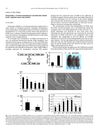
December 2008 in “Journal of Dermatological Science”
7 citations
,
December 2008 in “Journal of Dermatological Science” Progranulin overexpression leads to shorter, thinner hair and increased cell death in mouse hair follicles.
 4 citations
,
April 2001 in “European journal of cancer”
4 citations
,
April 2001 in “European journal of cancer” Scalp cooling prevented hair loss in half of the patients, despite significant side effects.
 1 citations
,
January 2012 in “Journal of The Society of Japanese Women Scientists”
1 citations
,
January 2012 in “Journal of The Society of Japanese Women Scientists” Murine hair has specific types of ceramides and glucosylceramides but lacks acylceramides.
 January 2015 in “International Journal of Trichology”
 Lithium can treat bipolar disorder but may cause hair loss and other hair problems.
 October 2012 in “European Neuropsychopharmacology”
 People with early psychosis eat more calories, saturated fat, and sugar, and the drug olanzapine may lead to eating even more calories.
 September 2012 in “Emergency medicine news”
 Manuka honey is effective for treating wounds and burns.
 237 citations
,
February 2016 in “Science Translational Medicine”
237 citations
,
February 2016 in “Science Translational Medicine” The timing of when the gene Bmal1 is active affects aging and survival, with its absence during development, not adulthood, leading to premature aging.
 184 citations
,
November 2014 in “Developmental Cell”
184 citations
,
November 2014 in “Developmental Cell” Hair follicle dermal stem cells are key for regenerating parts of the hair follicle and determining hair type.
 182 citations
,
June 2002 in “Journal of Neuroscience”
182 citations
,
June 2002 in “Journal of Neuroscience” Androgens can help prevent memory problems caused by apoE4.
 118 citations
,
July 2005 in “Journal of Ethnopharmacology”
118 citations
,
July 2005 in “Journal of Ethnopharmacology” Eclipta alba extract improved learning, memory, and stress-related ulcers in rats without affecting movement or causing anxiety.
 108 citations
,
July 2004 in “American Journal of Pathology”
108 citations
,
July 2004 in “American Journal of Pathology” Stress increases a factor in mice that leads to hair loss, and blocking this factor may prevent it.
 76 citations
,
March 2005 in “Journal of Molecular Medicine”
76 citations
,
March 2005 in “Journal of Molecular Medicine” Certain mice without specific receptors or mast cells don't lose hair from stress.
 46 citations
,
February 2016 in “Experimental Dermatology”
46 citations
,
February 2016 in “Experimental Dermatology” Genes play a significant role in male-pattern baldness, and understanding them could lead to new treatments and insights into related health issues.
 45 citations
,
August 2005 in “Bioorganic & medicinal chemistry”
45 citations
,
August 2005 in “Bioorganic & medicinal chemistry” New compounds with carborane showed anti-androgen effects similar to flutamide.
 42 citations
,
March 2008 in “Molecular and Cellular Endocrinology”
42 citations
,
March 2008 in “Molecular and Cellular Endocrinology” Hormones and neuroendocrine factors control hair growth and color, and more research could lead to new hair treatment options.