 67 citations
,
December 2009 in “Stem Cells”
67 citations
,
December 2009 in “Stem Cells” β-Catenin signaling is involved in brain cell growth after injury and could be a therapy target.
62 citations
,
March 2017 in “Journal of Investigative Dermatology” Mutations in the ACTB gene cause Becker’s nevi and may lead to muscle issues in Becker’s nevus syndrome.
 October 2018 in “Emergency medicine news”
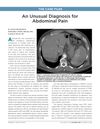
 A 65-year-old man with sudden abdominal pain and seizures was diagnosed with a rare, non-traumatic splenic rupture and treated without surgery.
 38 citations
,
January 2014 in “International Journal of Endocrinology”
38 citations
,
January 2014 in “International Journal of Endocrinology” Adrenal disorders can cause lasting brain and behavior issues in children.
January 2009 in “IRIS UNIMORE (University of Modena and Reggio Emilia)” Neurosteroids from glia cells help control seizure development in epilepsy.
 1 citations
,
August 2021 in “Movement disorders clinical practice”
1 citations
,
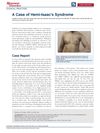
August 2021 in “Movement disorders clinical practice” A man with Isaac's syndrome affecting only one side of his body improved after immune system-targeted treatment.
16 citations
,
October 1992 in “Journal of cutaneous pathology” Bubble hair deformity may be caused by hair shaft trauma and can improve with gentle hair care.
 84 citations
,
December 2017 in “EMBO Reports”
84 citations
,
December 2017 in “EMBO Reports” Circadian rhythms are crucial for stem cell function and tissue repair, and understanding them may improve aging and regeneration treatments.
17 citations
,
May 2013 in “Journal of Investigative Dermatology” Mutations in β1 integrins cause embryonic death but have milder effects on skin.
January 2014 in “Elsevier eBooks” People travel abroad and pay a lot for unproven stem cell treatments, hoping for cures.
February 2026 in “Biophysical Journal”  32 citations
,
February 2019 in “Journal of neurochemistry”
32 citations
,
February 2019 in “Journal of neurochemistry” Sex hormones affect brain injury differently in males and females.
21 citations
,
September 2008 in “Brain Research” Neurosteroids in the brain can increase or decrease seizure risk in mice.
5 citations
,
October 2021 in “American Journal of Medical Genetics Part A” A new genetic variant causes BRESHECK syndrome by disrupting cell growth and stress response.
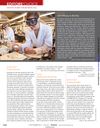 September 2013 in “Science”
 Special astrocytes improved learning and memory in rats after a stroke.
April 2007 in “CRC Press eBooks” Certain vitamins in wrong amounts, alcohol abuse, metals, and other toxins can cause serious brain and nerve damage.

A person with a new mutation in the SCN1A gene developed brain inflammation after COVID-19.
 5 citations
,
March 2009 in “Pediatric Dermatology”
5 citations
,
March 2009 in “Pediatric Dermatology” The study found that pili bifurcati causes hair to intermittently split into two branches, each with its own outer layer.
 9 citations
,
July 2001 in “Cell”
9 citations
,
July 2001 in “Cell” Cells from certain embryo parts can induce head formation in another embryo, involving complex signaling pathways.
 3 citations
,
April 2002 in “The American Journal of Medicine”
3 citations
,
April 2002 in “The American Journal of Medicine” The document concludes that early diagnosis of Balint's syndrome is crucial for effective treatment and that understanding drug interactions, like between ritonavir and statins, is important for patient care.
11 citations
,
September 2021 in “American Journal of Medical Genetics Part A” Four new cases of Bachmann-Bupp syndrome suggest potential for targeted treatment.
 November 2019 in “Synapse”
 Brain-made chemicals can control nerve cell function differently in various parts of a mouse's brain, which may help us understand neurological conditions.
A patient with Myotonic dystrophy type 1 had multiple tongue hemangiomas and was sensitive to anesthesia.
23 citations
,
November 2024 in “Nature” 80 citations
,
September 2007 in “Cell Cycle” Stem cells in hair follicles can become various cell types, including neurons.
 11 citations
,
May 1998 in “Child's nervous system”
11 citations
,
May 1998 in “Child's nervous system” A baby had a rare condition with abnormal blood vessels in the brain and unusual skin and hair growth, possibly a new syndrome.
 September 2024 in “The Neurohospitalist”
 Careful management of chronic hyponatremia is crucial to prevent severe neurological issues.
5 citations
,
January 2002 in “European journal of pediatrics” "D-CHRAMPS syndrome" is a newly identified condition with multiple severe symptoms.
 September 2018 in “Value in Health”
 Kids from areas with more high school dropouts have higher rates of brain injuries.
December 2004 in “Neuropsychopharmacology” Long-term alcohol exposure alters brain receptor function differently in various brain regions.