36 citations
,
July 2017 in “Journal of controlled release” A new method allows for controlled, long-lasting delivery of retinoic acid through the skin with fewer side effects.
23 citations
,
December 2013 in “Molecular cancer therapeutics” Breast cancer treatments work better with AR activation, improving results and reducing side effects.
 1 citations
,
December 2024 in “Dermatology and Therapy”
1 citations
,
December 2024 in “Dermatology and Therapy” The STRIAA tool helps doctors quickly and effectively assess the severity of Alopecia Areata.
 April 2024 in “Frontiers in medicine”
 Alopecia Areata significantly lowers quality of life and current treatments are inadequate, highlighting a need for better therapies and standardized treatment protocols.
July 2026 in “Cosmoderma” Tapering and stopping tofacitinib may be possible for young alopecia areata patients.
 January 2023 in “Journal of surgery and research”
 New treatment effectively reverses hair thinning in most patients with mild side effects.
 17 citations
,
January 2019 in “Dermatologic Therapy”
17 citations
,
January 2019 in “Dermatologic Therapy” Tofacitinib is effective and safe for long-term treatment of severe alopecia areata, with many patients achieving complete hair regrowth.
September 2024 in “Journal of Ethnopharmacology” Terminalia bellirica extracts effectively promote hair regrowth and treat androgenetic alopecia.
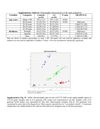 7 citations
,
July 2020 in “Immunological Investigations”
7 citations
,
July 2020 in “Immunological Investigations” The rs231775 genetic variant is linked to a higher risk and severity of Alopecia Areata in males.
March 2003 in “Oncology Times” Further research is needed to develop effective cancer prevention strategies.
 May 2011 in “Value in Health”
 CP-690,550 significantly reduced itching in patients with moderate-to-severe plaque psoriasis.
 66 citations
,
July 2003 in “International Journal of Dermatology”
66 citations
,
July 2003 in “International Journal of Dermatology” Betamethasone valerate foam is more effective and safe for treating mild-to-moderate alopecia areata than betamethasone dipropionate lotion.
 January 2022 in “Turk Dermatoloji Dergisi”
 Topical procyanidin B2 significantly increases hair count and is a safe treatment for male pattern baldness.
June 2024 in “Military Medicine” Access to JAK inhibitors for alopecia areata should be improved in the Military Healthcare System.
October 2021 in “Book Publisher International (a part of SCIENCEDOMAIN International)” The combination therapy of microdermabrasion and steroid injections is more effective for treating scalp Alopecia Areata than steroid injections alone.
1 citations
,
September 2024 in “Journal of the American Academy of Dermatology” Farudodstat may effectively treat alopecia areata without harmful side effects.
 April 2024 in “The Journal of urology/The journal of urology”
 SRD5A2 methylation in blood can predict how well someone will respond to finasteride treatment.
 April 2024 in “Expert opinion on investigational drugs”
 JAK inhibitors are safe and effective for treating moderate-to-severe alopecia areata.
1 citations
,
April 2008 in “Progrès en Urologie” Systematic end-of-trial biopsies are the most reliable way to assess outcomes.
 26 citations
,
October 2020 in “Pediatric Dermatology”
26 citations
,
October 2020 in “Pediatric Dermatology” Oral tofacitinib may effectively treat hair loss in children with alopecia areata.
February 2007 in “Journal of Clinical Dermatology”  5 citations
,
July 2020 in “Journal of the American Academy of Dermatology”
5 citations
,
July 2020 in “Journal of the American Academy of Dermatology” Adding antihistamines to topical corticosteroid and cryotherapy may improve hair regrowth in alopecia areata patients.
63 citations
,
July 2024 in “Journal of the American Academy of Dermatology” Deuruxolitinib effectively promotes hair regrowth in adults with alopecia areata.
 July 2021 in “International journal of dermatology, venereology and leprosy sciences”
 Diphenylcyclopropenone is more effective and has fewer side effects than dinitrochlorobenzene for treating alopecia areata.
 45 citations
,
May 2018 in “Stem Cell Research & Therapy”
45 citations
,
May 2018 in “Stem Cell Research & Therapy” Using patients' own fat-derived cells to treat alopecia areata significantly improved hair growth and was safe.
 136 citations
,
April 2013 in “Clinical Cancer Research”
136 citations
,
April 2013 in “Clinical Cancer Research” The drug IPI-926 is safe at 160 mg daily and may help treat certain tumors, especially basal cell carcinoma.
 3 citations
,
May 2019 in “Cytotherapy”
3 citations
,
May 2019 in “Cytotherapy” ATIR101 improves survival in stem cell transplant patients; Australian stem cell treatment decisions are influenced by regulation changes.
June 2022 in “Journal of Pakistan Association of Dermatologists” Combination therapy effectively regrows hair in severe alopecia areata.
 19 citations
,
November 2018 in “Nutrients”
19 citations
,
November 2018 in “Nutrients” Annurca apple extract may protect mouse hair from damage by chemotherapy and could help treat hair loss without promoting cancer growth.
 November 2025 in “Mendeley Data”
 JAK inhibitors can be safely used in alopecia areata patients with latent hepatitis B or tuberculosis, with proper monitoring.