 37 citations
,
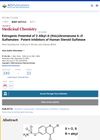
September 2003 in “Journal of Medicinal Chemistry”
37 citations
,
September 2003 in “Journal of Medicinal Chemistry” A substance called Compound 2g can strongly block STS (a hormone-related enzyme) without affecting estrogen levels, making it potentially good for treating breast cancer.
 May 2011 in “Expert Review of Endocrinology & Metabolism”
 Breast cancer survivors may have a higher risk of falls, tamoxifen could prevent breast cancer and deaths, new guidelines urge caution with prostate cancer therapy, and early balding in men may indicate a higher prostate cancer risk.
 10 citations
,
January 2019 in “Archives of Endocrinology and Metabolism”
10 citations
,
January 2019 in “Archives of Endocrinology and Metabolism” Testosterone therapy may slightly increase sexual desire in women with HSDD but lacks broad recommendation due to safety concerns and limited approval.
 January 2025 in “Cosmetics”
 Exosomes could help treat skin and hair issues by improving healing and reducing stress.
1 citations
,
March 2014 in “Journal of Innovative Optical Health Sciences” Hair structure worsens as tumors grow in mice.
5 citations
,
April 2023 in “Life” CCCA affects adolescents too, with genetic and environmental links, requiring careful diagnosis.
 403 citations
,
December 2018 in “Cell stem cell”
403 citations
,
December 2018 in “Cell stem cell” Understanding phenotypic plasticity is crucial for developing effective cancer therapies.
51 citations
,
March 2022 in “Frontiers in Immunology” Alarmin cytokines are key in controlling skin immunity and inflammation.
 49 citations
,
October 2009 in “Cancer research”
49 citations
,
October 2009 in “Cancer research” Disrupting Stat3 in hair follicle stem cells greatly reduces skin tumor formation.
4 citations
,
July 2025 in “Cosmetics” Olive mill wastewater can be used as a sustainable source of skin-benefiting ingredients.
May 2025 in “Preprints.org” Olive oil byproducts can be used in skincare for their antioxidant and protective benefits.
5 citations
,
August 2025 in “Journal of Radiation Research” Understanding skin reactions to radiation has improved, helping to reduce injuries and prevent skin cancer.
 October 2020 in “Our Dermatology Online”
 Skin changes and high vitamin B12 levels can be early signs of cancer.
 218 citations
,
October 2013 in “Proceedings of the National Academy of Sciences of the United States of America”
218 citations
,
October 2013 in “Proceedings of the National Academy of Sciences of the United States of America” Mice lacking the PPARγ gene in their fat cells had almost no fat tissue, severe metabolic problems, and abnormal development of other fat-related tissues.
 89 citations
,
June 2012 in “Anais Brasileiros de Dermatologia”
89 citations
,
June 2012 in “Anais Brasileiros de Dermatologia” Actinic keratosis can lead to skin cancer, is more common in fair-skinned people, and can be reduced with sunscreen and treated effectively.
6 citations
,
July 2015 in “JAAD Case Reports” Doxycycline can effectively treat hair loss caused by EGFR inhibitors.
83 citations
,
December 2012 in “International journal of endocrinology and metabolism/International journal of endocrinology and metabolism.” Oral contraceptives provide various health benefits beyond birth control, including managing menstrual issues, skin conditions, pain, and reducing the risk of certain cancers.
76 citations
,
February 2007 in “Cancer Research” Protein Kinase Cε increases skin sensitivity to UV damage and skin cancer risk.
55 citations
,
January 2020 in “Advances in experimental medicine and biology” Vitamin D and its receptor may help prevent skin cancer.
20 citations
,
May 2023 in “Cancer Nanotechnology” The new drug delivery system effectively targets lung cancer cells.
 20 citations
,
May 2011 in “Cancer Biology & Therapy”
20 citations
,
May 2011 in “Cancer Biology & Therapy” Finasteride may improve prostate cancer treatment outcomes.
16 citations
,
October 2004 in “Journal of Investigative Dermatology” Normal human melanocytes can avoid cell death through multiple pathways.
 15 citations
,
November 2022 in “Cell Death and Disease”
15 citations
,
November 2022 in “Cell Death and Disease” CEP135 may predict cancer outcomes, and targeting PLK1 could help treat certain sarcomas.
15 citations
,
March 2021 in “EMBO Reports” PRSS35 enzyme may help start skin tumors and could be a target for cancer treatment.
May 2020 in “Authorea (Authorea)” Olfactory receptors found outside the nose may offer new treatments for diseases like cancer and help in wound healing and hair growth.
 June 2019 in “International journal of dermatology and venereology”
 A man developed skin issues from cancer medication, which improved with specific treatments.
 October 2015 in “Elsevier eBooks”
 Aldesleukin can treat certain cancers and increase HIV patient CD4+ counts but often causes severe side effects.
65 citations
,
April 2018 in “Oncotarget” Anabolic androgenic steroids can increase cancer risk and disrupt hormones.
 32 citations
,
February 2017 in “Oncotarget”
32 citations
,
February 2017 in “Oncotarget” Cellular senescence has both cancer-blocking and cancer-promoting effects, and targeting senescent cells may improve health and lifespan.
 6 citations
,
August 2022 in “International Journal of Molecular Sciences”
6 citations
,
August 2022 in “International Journal of Molecular Sciences” EDA signaling is linked to skin disorders, various cancers, and liver disease.