1 citations
,
June 2022 in “Journal of Clinical Oncology” Oral minoxidil may help hair regrowth in female cancer survivors.
September 2020 in “Zenodo (CERN European Organization for Nuclear Research)” Indometacin was chosen for a gel to help treat mastopathy and prevent breast cancer.
 June 2017 in “Reactions Weekly”
 Some breast cancer treatments caused long-term hair loss in women, similar to a condition called alopecia areata.
 January 2023 in “Cancer research, statistics, and treatment/Cancer research, statistics and treatment”
 Vijaya successfully fought stage 2A breast cancer with surgery, chemotherapy, radiotherapy, and hormone therapy, while advocating for support groups.
 May 2011 in “Expert Review of Endocrinology & Metabolism”
 Breast cancer survivors may have a higher risk of falls, tamoxifen could prevent breast cancer and deaths, new guidelines urge caution with prostate cancer therapy, and early balding in men may indicate a higher prostate cancer risk.

Doctors recommend postoperative radiation for male breast cancer, advise against testosterone for vasomotor symptoms post-adrenalectomy, suggest non-hormonal treatments for atrophic vaginitis after mastectomy, note no specific treatment for anticoagulant-induced hair loss, and call for more research on silicosis from silicon carbide exposure.
 5 citations
,
August 2013 in “InTech eBooks”
5 citations
,
August 2013 in “InTech eBooks” KLF4 is important for maintaining stem cells and has potential in cancer treatment and wound healing.
January 2018 in “Refubium (Universitätsbibliothek der Freien Universität Berlin)” Chemotherapy causes temporary hair loss in women, while Tamoxifen does not significantly affect hair, and genetics show no link between female pattern hair loss and common baldness genes.
 29 citations
,
March 2017 in “International Journal of Women's Dermatology”
29 citations
,
March 2017 in “International Journal of Women's Dermatology” Hormone therapies like birth control pills and spironolactone are safe and effective for treating women's adult acne.
 522 citations
,
January 2001 in “Cancer investigation”
522 citations
,
January 2001 in “Cancer investigation” Doxil is an effective, modified chemotherapy drug with a unique toxicity profile and shows promise in treating certain cancers.
 451 citations
,
March 2005 in “Endocrine Reviews”
451 citations
,
March 2005 in “Endocrine Reviews” The enzyme steroid sulfatase is linked to breast cancer and other conditions, and inhibitors are being developed for treatment.
 47 citations
,
November 2012 in “Expert Opinion on Therapeutic Patents”
47 citations
,
November 2012 in “Expert Opinion on Therapeutic Patents” The document concludes that research on sulfatase inhibitors should continue due to their potential in treating various diseases, despite some clinical trial failures.
 506 citations
,
January 2012 in “Molecular and Cellular Endocrinology”
506 citations
,
January 2012 in “Molecular and Cellular Endocrinology” Melatonin affects many body functions beyond sleep by interacting with specific receptors in various tissues.
 1 citations
,
April 2019 in “Clinical Breast Cancer”
1 citations
,
April 2019 in “Clinical Breast Cancer” Medicines for enlarged prostate may raise the risk of breast growth and tenderness but not breast cancer.
 7 citations
,
March 2011 in “Expert Opinion on Drug Safety”
7 citations
,
March 2011 in “Expert Opinion on Drug Safety” Exemestane is effective and safe for treating certain breast cancers, with mild side effects, but needs more research on long-term effects.
87 citations
,
September 2006 in “Clinical Cancer Research” Protein Kinase C shows promise for cancer treatment, but more research is needed to develop effective inhibitors.
 1 citations
,
March 2016 in “Journal of The American Academy of Dermatology”
1 citations
,
March 2016 in “Journal of The American Academy of Dermatology” More research needed to confirm finasteride as standard treatment for FFA.
 1 citations
,
November 2019 in “Archives of breast cancer”
1 citations
,
November 2019 in “Archives of breast cancer” Some hormone treatments might raise breast cancer risk, while others don't seem to.
 19 citations
,
May 2013 in “Annals of Oncology”
19 citations
,
May 2013 in “Annals of Oncology” Aromatase inhibitors cause male pattern hair loss in women.
19 citations
,
March 2020 in “Mayo Clinic Proceedings” Breast pain is common and usually not linked to cancer, with treatment varying by severity.
 10 citations
,
January 2015 in “Przeglad Menopauzalny”
10 citations
,
January 2015 in “Przeglad Menopauzalny” Progestogens are essential in menopausal hormone therapy to prevent uterine cancer and must be chosen carefully based on individual needs.
 1 citations
,
July 2023 in “Cancers”
1 citations
,
July 2023 in “Cancers” Skin side effects from CDK4/6 inhibitors in breast cancer patients are generally mild and treatable, allowing most patients to continue treatment.
January 2026 in “Therapeutics” SCUBE3 is a potential target for cancer and alopecia treatment but is challenging to target due to its varied roles.
 12 citations
,
December 2012 in “Current Drug Targets”
12 citations
,
December 2012 in “Current Drug Targets” The Androgen Receptor could be a target for treating diseases like cancer, but more research is needed to confirm the effectiveness of potential treatments.
 1 citations
,
July 2011 in “Climacteric”
1 citations
,
July 2011 in “Climacteric” Long-term estrogen therapy in postmenopausal women can improve certain health markers, hair loss is common regardless of hormone use, stopping estrogen doesn't increase breast cancer risk, smoking does, and a balanced BMI is linked to lower mortality.
 1 citations
,
January 2025 in “Frontiers in Oncology”
1 citations
,
January 2025 in “Frontiers in Oncology” REV7 is crucial for genome stability and cancer treatment, making it a potential target for therapy.
 150 citations
,
April 2013 in “Dermato-endocrinology”
150 citations
,
April 2013 in “Dermato-endocrinology” Estrogen therapy can reduce skin aging but has cancer risks.
 1 citations
,
July 2020 in “International journal of radiology & radiation therapy”
1 citations
,
July 2020 in “International journal of radiology & radiation therapy” Partial hair-sparing brain radiotherapy is possible and doesn't affect cancer control but still causes noticeable hair loss.
 3 citations
,
July 2010 in “Archives of internal medicine”
3 citations
,
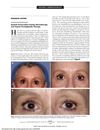
July 2010 in “Archives of internal medicine” A woman kept her eyelashes during chemotherapy possibly because of her glaucoma eye drops.
1 citations
,
May 2021 in “Clinical Nuclear Medicine” Platelet-rich plasma therapy can increase FDG uptake in the scalp.