January 2026 in “The Breast Journal” Understanding specific symptoms in different cancer stages can improve personalized care and quality of life.
 December 2025 in “npj Breast Cancer”
 Capivasertib improves survival in certain breast cancer cases but requires careful management of side effects.
November 2025 in “npj Breast Cancer” Tamoxifen increases the risk of lasting hair loss after chemotherapy despite scalp cooling.
 June 2024 in “Journal of Clinical Oncology”
 Dalpiciclib is the safest and most satisfying CDK4/6 inhibitor for advanced breast cancer patients in China.
The Breast Utility Instrument was developed to assess quality of life in breast cancer patients.
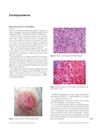 October 2010 in “International Journal of Dermatology”
 An 86-year-old man with prostate cancer was diagnosed with a rare, low-grade breast cancer and underwent surgery but declined additional hormone therapy.
 September 2003 in “Journal of the Royal Society of Medicine”
 Understanding breast cancer requires considering both medical advancements and social influences.
71 citations
,
February 1992 in “Journal of Cutaneous Pathology” Antibodies help identify glycoproteins in normal skin and tumor cells.
68 citations
,
January 2013 in “BMC Pharmacology and Toxicology” Glibenclamide slows breast cancer cell growth by stopping cell division.
 67 citations
,
October 2005 in “Annals of Oncology”
67 citations
,
October 2005 in “Annals of Oncology” Fulvestrant is a well-tolerated new treatment for advanced breast cancer that may delay chemotherapy.