Search
for
Sort by
Research
240-270 / 1000+ results research Trichoscopic findings in patients with patchy alopecia and its comparison with histopathological diagnosis
Trichoscopy is a useful tool for diagnosing patchy hair loss, reducing the need for biopsies.
research Trichoscopy: A Useful Tool in Diagnosing Temporal Triangular Alopecia
Trichoscopy effectively diagnoses temporal triangular alopecia in children.
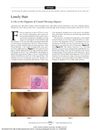
research Lonely Hair
Isolated long hairs at the original hairline can help diagnose Frontal Fibrosing Alopecia.

research Obliteration of alopecia by hair-lifting: a new concept and technique.
A new technique called hair-lifting was introduced to treat male-pattern baldness and can also give a partial face-lift.
research Hair-Bearing Flaps for Baldness
Flap surgery is effective for treating male baldness, offering immediate results with dense hair growth.

research DERMOSCOPY IN FEMALE ANDROGENETIC ALOPECIA
Dermoscopy is a useful tool for diagnosing female pattern hair loss.
research 75360 Nasal hair (vibrissae) involvement in patients with alopecia areata universalis: preliminary results showing density modification and response to oral JAK inhibitors
research Alopecia: Updated management
Effective alopecia treatment depends on the specific cause and includes medications and procedures.

research 41915 Improvements in health-related quality of life and psychological symptoms in patients with severe alopecia areata achieving scalp hair regrowth: results from two randomized controlled trials
Baricitinib helps regrow hair and improves quality of life and mental health in severe alopecia areata patients.
research NEW DEVELOPMENTS IN DERMOSCOPIC FEATURES OF ALOPECIA AREATA
Trichoscopy is crucial for diagnosing alopecia areata by identifying specific hair features.

research Subclinical, early hair regrowth in alopecia areata patients under treatment with baricitinib detected by line‐field confocal optical coherence tomography evaluation
Baricitinib helps with early hair regrowth in people with alopecia areata.
research Female diffuse non‐cicatricial alopecia—The diagnostic value of trichoscopy
Trichoscopy is a useful tool for diagnosing different types of female hair loss without needing a biopsy.
research Use of body and beard donor hair in surgical treatment of androgenic alopecia
Body and beard hair can be used for hair transplants in baldness treatment but keep their original color and curl.

research 49690 Long-term efficacy of baricitinib in alopecia areata: 3-year results from BRAVE-AA1 and BRAVE-AA2
Baricitinib maintains significant hair regrowth in severe alopecia areata over three years.
research Psychosocial and mental impact of alopecia areata: Analysis of the Danish Skin Cohort
Alopecia areata significantly affects mental health, especially in women and those with severe cases.
research Can you diagnose hair loss (Non-scarring alopecia)
Non-scarring hair loss can be diagnosed with two 4mm punch biopsies, one cut vertically and the other transversely.
research Alopecia Areata: An Evidence-Based Treatment Update
Some treatments, like corticosteroids and sensitizing agents, can help with alopecia areata, but more high-quality research is needed.

research Chemotherapy-Induced Eyebrow Alopecia and Psychological Recovery: Permanent Micropigmentation as a Component of Multidisciplinary Oncological Rehabilitation
Permanent micropigmentation can help cancer survivors feel better about themselves by restoring eyebrows lost during chemotherapy.
research Isolated eyebrow and eyelash trichotillomania mimicking alopecia areata
Some children and young adults with eyebrow and eyelash hair loss actually have a hair-pulling disorder, often with related psychological issues.
research Subsurface detection of hair follicles in alopecia areata using optical coherence tomography
OCT can detect hidden hair follicles in alopecia areata, indicating potential hair regrowth.
research Treatment and noninvasive clinical assessment of androgenetic alopecia
research Refining techniques in eyebrow transplantation
Using three-hair grafts from the back of the head for eyebrow transplantation offers a natural look and reduces scarring.
research Assessment, reliability, and validity of trichoscopy in the evaluation of alopecia in women
Trichoscopy is a quick and reliable way to diagnose hair loss in women.
research Clinical evaluation of alopecias using a handheld dermatoscope
A handheld dermatoscope helps diagnose different types of hair loss effectively.

research Differentiating between Central Centrifugal Cicatricial Alopecia, Traction Alopecia, and Alopecia Areata in Black Patients: Photographic Examples from a Clinical Trial
Visual signs are crucial for accurately diagnosing and treating different types of hair loss in Black patients.
research Case Report: Paired vertex-occipital assessment reveals donor-area involvement in diffuse unpatterned alopecia
Diffuse unpatterned alopecia can affect donor areas, but treatment with finasteride and minoxidil can improve hair density.
research Diagnostic and Therapeutic Assessment of Frontal Fibrosing Alopecia
The document concludes that there are no reliable treatments for frontal fibrosing alopecia, with only temporary benefits from current options.
research Off-Label Use of Topical Minoxidil in Alopecia: A Review
Minoxidil helps treat eyebrow thinning, monilethrix, early hair loss, and shortens chemo-related hair loss.

research Utility of Trichoscopy in Various Types of Alopecia - A Cross-Sectional Study
Trichoscopy is a good, quick, non-invasive way to diagnose different types of hair loss.