 September 2023 in “PubMed”
 Baricitinib is a relatively safe and effective treatment for severe alopecia areata.
 16 citations
,
November 2023 in “Scientific Reports”
16 citations
,
November 2023 in “Scientific Reports” The niosomes effectively target hair follicles for acne treatment.
 February 2021 in “Reactions Weekly”
 Finasteride and dutasteride may cause macular abnormalities.
February 2025 in “Canadian Journal of Health Technologies” Baricitinib is effective and cost-efficient for treating severe alopecia areata in adults.
May 2025 in “Dermatology Online Journal” Erlotinib can cause excessive eyelash growth.
 January 2019 in “Actas urológicas españolas”
 Using mirabegron and solifenacin together is safe and more effective for treating overactive bladder than using either drug alone.
 May 2023 in “Elsevier eBooks”
 Minoxidil, finasteride, and dutasteride are treatments for hair loss.
13 citations
,
February 2019 in “Türk oftalmoloji dergisi” New treatments for chronic central serous chorioretinopathy show promise in preventing permanent vision loss.
12 citations
,
January 2024 in “Journal of the American Academy of Dermatology”  9 citations
,
May 2020 in “Journal of Pharmaceutical and Biomedical Analysis”
9 citations
,
May 2020 in “Journal of Pharmaceutical and Biomedical Analysis” Method measures latanoprost and minoxidil in skin accurately and precisely.
1 citations
,
January 2013 Bimatoprost treats glaucoma and promotes hair growth, with potential for more medical uses.
 June 1982 in “Reactions (Auckland)”
 Metoprolol and propranolol may cause hair loss.
Combining dutasteride or finasteride with an α1 blocker is more effective for managing BPH than using either alone.
 April 2024 in “Journal of asthma and allergy”
 Abrocitinib effectively treated severe atopic dermatitis and mild alopecia areata in a 12-year-old boy after dupilumab failed.
 April 2024 in “Skin research and technology”
 Minoxidil with triamcinolone acetonide is more effective for mild alopecia areata when injected with microneedles than when applied topically.
 70 citations
,
November 2013 in “The BMJ”
70 citations
,
November 2013 in “The BMJ” Tamsulosin for enlarged prostate may increase the risk of severe low blood pressure, especially when starting or restarting the medication.
November 2024 in “Actas Dermo-Sifiliográficas” Low-dose oral minoxidil can improve hair and eyebrow growth in frontal fibrosing alopecia.
September 2024 in “Journal of Ethnopharmacology” Terminalia bellirica extracts effectively promote hair regrowth and treat androgenetic alopecia.
 3 citations
,
October 2018 in “Experimental and Therapeutic Medicine”
3 citations
,
October 2018 in “Experimental and Therapeutic Medicine” Stopping tamsulosin one month before cataract surgery reduces eye surgery complications in rats.
11 citations
,
November 1991 in “Journal of Neuropathology & Experimental Neurology” Brindled mice show abnormal catecholamine neuron development due to copper deficiency.
 March 2026 in “Dermatology and Therapy”
 Low-dose oral minoxidil helps improve hairline and eyebrow coverage in frontal fibrosing alopecia.
Baricitinib effectively treats alopecia areata, with over half of patients improving after 52 weeks.
July 2024 in “Journal of Investigative Dermatology” Brepocitinib improves cicatricial alopecia and reduces key immune markers.
 37 citations
,
January 2015 in “Evidence-based Complementary and Alternative Medicine”
37 citations
,
January 2015 in “Evidence-based Complementary and Alternative Medicine” An extract from Quercus acutissima bark was found to reduce sebum production and block an enzyme linked to acne.
November 2024 in “SKIN The Journal of Cutaneous Medicine” Baricitinib slightly increased cholesterol levels in alopecia areata patients, but these changes were manageable.
December 2012 in “http://isrctn.org/>”  2 citations
,
April 2023 in “Expert Review of Clinical Immunology”
2 citations
,
April 2023 in “Expert Review of Clinical Immunology” Baricitinib is effective as a treatment for severe hair loss.
 89 citations
,
February 1993 in “Journal of Medicinal Chemistry”
89 citations
,
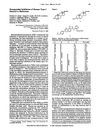
February 1993 in “Journal of Medicinal Chemistry” New compounds called benzoquinolinones may treat conditions linked to excess DHT.
 9 citations
,
December 2010 in “Journal of The European Academy of Dermatology and Venereology”
9 citations
,
December 2010 in “Journal of The European Academy of Dermatology and Venereology” Latanoprost therapy potentially caused a woman's white hair to darken again.
 64 citations
,
June 2009 in “Journal of The American Academy of Dermatology”
64 citations
,
June 2009 in “Journal of The American Academy of Dermatology” Oral dutasteride can potentially treat frontal fibrosing alopecia in postmenopausal women, with some patients showing disease arrest and hair regrowth.