 34 citations
,
October 1982 in “Journal of applied polymer science”
34 citations
,
October 1982 in “Journal of applied polymer science” Moisture content significantly affects how human hair breaks.
2 citations
,
January 1989 Tay syndrome is a unique genetic disorder causing skin, hair, and developmental issues.
26 citations
,
January 1993 in “Dermatology” A rare case of isolated trichothiodystrophy was identified, marked by brittle hair with low sulfur content.
 245 citations
,
January 1998 in “Genes & Development”
245 citations
,
January 1998 in “Genes & Development” Hoxc13 gene is essential for hair, nail, and papilla development.

A young athlete's fragile hair condition improved by cutting hair and using gentle shampoo.
 15 citations
,
July 2002 in “Clinical and Experimental Dermatology”
15 citations
,
July 2002 in “Clinical and Experimental Dermatology” Hair microscopy is useful for diagnosing certain hair loss conditions but has limitations and must be interpreted carefully.
 2 citations
,
August 1994 in “Archives of dermatology”
2 citations
,
August 1994 in “Archives of dermatology” A 19-month-old boy with a rare hair disorder showed mild improvement with treatment, but his family chose gentle hair care due to limited success.

A 5-year-old girl has sparse, dry, and brittle hair but is otherwise healthy.
 44 citations
,
January 2005 in “Dermatology”
44 citations
,
January 2005 in “Dermatology” Hair problems can be caused by genetics or the environment, and treatment should focus on the cause and reducing hair damage.
 33 citations
,
June 2016 in “Pediatric Dermatology”
33 citations
,
June 2016 in “Pediatric Dermatology” Some congenital hair disorders improve in childhood or with treatments like minoxidil and retinoids, while others like Netherton syndrome and trichothiodystrophy have a poor prognosis.
 24 citations
,
July 2011 in “PubMed”
24 citations
,
July 2011 in “PubMed” Thyroid hormones affect skin texture, hair and nail growth, and can cause skin diseases related to thyroid problems.
 8 citations
,
December 1981 in “Journal of The American Academy of Dermatology”
8 citations
,
December 1981 in “Journal of The American Academy of Dermatology” The document concludes that parathyroid diseases have a range of clinical features and outcomes, with some conditions being treatable and others having a high risk of mortality.
 6 citations
,
March 2016 in “PLoS ONE”
6 citations
,
March 2016 in “PLoS ONE” The patient's hair was thinner and had fewer lipids due to a genetic mutation.
 September 2003 in “Current Paediatrics”
 The document concludes that accurate diagnosis and understanding the type of hair disorder are crucial for treating hair loss in children.
 November 2021 in “Egyptian Journal of Medical Microbiology”
 COVID-19 protective measures led to skin irritation, hair loss, and brittle nails; using skin-friendly products and a healthy diet is recommended.
January 2026 in “Clinical Case Reports” A 6-year-old girl had both monilethrix and trichorrhexis nodosa, causing brittle hair, with minimal improvement from treatment.
 January 2025 in “Clinical Dermatology Review”
 Trichoscopy helps accurately diagnose Netherton syndrome, often mistaken for atopic dermatitis.
 December 2025 in “Universal library of medical and health sciences.”
 Amino acids like arginine and cysteine protect hair during chemical treatments, keeping it strong and less brittle.
4 citations
,
May 2020 in “The journal of pediatrics/The Journal of pediatrics” A boy with monilethrix has brittle hair that breaks easily due to a genetic condition, which might improve by puberty.
97 citations
,
March 2006 in “Journal of Investigative Dermatology” Mutations in the DSG4 gene cause a severe form of brittle hair and skin issues.
33 citations
,
October 2005 in “Journal of Investigative Dermatology” A specific gene mutation causes sparse, brittle hair in a family.
 126 citations
,
January 1987 in “Journal of The American Academy of Dermatology”
126 citations
,
January 1987 in “Journal of The American Academy of Dermatology” The document concludes that understanding hair structure is key to diagnosing hair abnormalities and recommends gentle hair care for management.
 January 2026 in “Forum Dermatologicum”
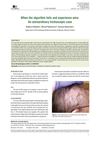
 Thorough hair examination is crucial for accurate diagnosis and treatment.
June 2025 in “Journal of Cosmetic Dermatology” Bathroom heating lamps can damage hair, causing it to become dry, brittle, and broken.
 33 citations
,
March 2006 in “Seminars in cutaneous medicine and surgery”
33 citations
,
March 2006 in “Seminars in cutaneous medicine and surgery” The document explains how to identify different hair problems using a microscope.
 12 citations
,
July 1957 in “Journal of Investigative Dermatology”
12 citations
,
July 1957 in “Journal of Investigative Dermatology” Giving dihydrotachysterol to mother rats caused skin hardening and bone issues in their babies through milk.
 58 citations
,
October 2001 in “Dermatologic Clinics”
58 citations
,
October 2001 in “Dermatologic Clinics” Hair loss can indicate underlying systemic diseases and addressing these can sometimes reverse the hair loss.
 44 citations
,
July 2011 in “Dermato-endocrinology”
44 citations
,
July 2011 in “Dermato-endocrinology” Thyroid hormone affects skin health, with too little causing rough, pale skin and too much leading to smooth, thin skin, and may also impact wound healing and skin conditions.
 36 citations
,
August 2018 in “Dermatologic Clinics”
36 citations
,
August 2018 in “Dermatologic Clinics” Trichoscopy is a useful tool for diagnosing hair disorders without pulling out hair.
 January 2019 in “Global Dermatology”
 Genetic hair shaft abnormalities can be seen with microscopes and often affect scalp hair.