April 2025 in “Indian Journal of Paediatric Dermatology” Trichorrhexis invaginata can occur with tinea capitis, though it's rare.
 15 citations
,
January 2010 in “Experimental Dermatology”
15 citations
,
January 2010 in “Experimental Dermatology” Hair loss in certain young mice is linked to a specific gene and can be caused by lack of iron.
5 citations
,
February 2013 in “PubMed” An 11-year-old girl's hair loss was caused by a Cladosporium fungal infection, which was cured with itraconazole treatment.
4 citations
,
November 2016 in “The Journal of Dermatology” Pili torti hair is fragile due to loose keratin filaments and weak disulfide bonds.
5 citations
,
January 2016 in “International Journal of Trichology” Erlotinib can cause hair loss and texture changes.
 11 citations
,
March 2001 in “Clinics in Dermatology”
11 citations
,
March 2001 in “Clinics in Dermatology” Hair microscopy is useful for diagnosing hair disorders, but clear definitions are needed for accurate genetic analysis.
 January 2019 in “Global Dermatology”
 Genetic hair shaft abnormalities can be seen with microscopes and often affect scalp hair.
 68 citations
,
August 2012 in “Journal of the American Academy of Dermatology”
68 citations
,
August 2012 in “Journal of the American Academy of Dermatology” Dermatoscopy is a useful tool for diagnosing hair disorders and can help choose samples for more detailed analysis.
 36 citations
,
August 2018 in “Dermatologic Clinics”
36 citations
,
August 2018 in “Dermatologic Clinics” Trichoscopy is a useful tool for diagnosing hair disorders without pulling out hair.
 44 citations
,
January 2005 in “Dermatology”
44 citations
,
January 2005 in “Dermatology” Hair problems can be caused by genetics or the environment, and treatment should focus on the cause and reducing hair damage.
 8 citations
,
January 2013 in “The scientific world journal/TheScientificWorldjournal”
8 citations
,
January 2013 in “The scientific world journal/TheScientificWorldjournal” Human hair follicles may provide a noninvasive way to diagnose diseases and have potential in regenerative medicine.
 December 2025 in “IP Indian Journal of Clinical and Experimental Dermatology”
 Hair shaft disorders often indicate genetic or systemic issues and are managed by minimizing damage.
 September 2020 in “Benha Journal of Applied Sciences”
 Protein hair straighteners damage the hair more than hair dyes.
 86 citations
,
October 2013 in “Dermatologic Clinics”
86 citations
,
October 2013 in “Dermatologic Clinics” Trichoscopy is a useful non-invasive method for diagnosing different hair loss conditions.
 December 2021 in “Molecular genetics and genomics”
 Cats with abnormal hair had DSG4 gene changes causing hair problems.
 33 citations
,
March 2006 in “Seminars in cutaneous medicine and surgery”
33 citations
,
March 2006 in “Seminars in cutaneous medicine and surgery” The document explains how to identify different hair problems using a microscope.
 February 2022 in “International journal of research in dermatology”
 The document concludes that proper diagnosis and treatment of hair shaft disorders require understanding their unique causes and avoiding hair-damaging practices.
 126 citations
,
January 1987 in “Journal of The American Academy of Dermatology”
126 citations
,
January 1987 in “Journal of The American Academy of Dermatology” The document concludes that understanding hair structure is key to diagnosing hair abnormalities and recommends gentle hair care for management.
 67 citations
,
December 2008 in “Developmental Biology”
67 citations
,
December 2008 in “Developmental Biology” Msx2 and Foxn1 are both crucial for hair growth and health.
 34 citations
,
January 2014 in “International Journal of Trichology”
34 citations
,
January 2014 in “International Journal of Trichology” Polarized dermoscopy is slightly better than nonpolarized for diagnosing hair disorders, with each method having its own strengths.
 5 citations
,
March 2012 in “Microscopy Research and Technique”
5 citations
,
March 2012 in “Microscopy Research and Technique” UVB radiation changes the chemical makeup and dries out human hair but doesn't alter its appearance or texture.
June 2026 in “Case Reports in Dermatology” Dupilumab improved hair and skin in a woman with Netherton syndrome.
 245 citations
,
March 2012 in “Journal of The American Academy of Dermatology”
245 citations
,
March 2012 in “Journal of The American Academy of Dermatology” Dermatoscopy is useful for identifying different hair and scalp conditions and can reduce the need for biopsies.
 74 citations
,
July 2008 in “Journal of Dermatological Case Reports”
74 citations
,
July 2008 in “Journal of Dermatological Case Reports” Trichoscopy is a quick and easy way to diagnose most genetic hair problems without invasive methods.
12 citations
,
January 2023 in “Indian Dermatology Online Journal” Diagnosing and managing children's hair shaft disorders is challenging but essential.
 September 2023 in “Cutis”
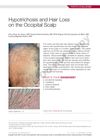
 A baby girl has a hair disorder called monilethrix, causing fragile hair that may improve over time.
 66 citations
,
February 2013 in “Pediatric Dermatology”
66 citations
,
February 2013 in “Pediatric Dermatology” Dermoscopy improves diagnosis and treatment monitoring for children's skin infections, inflammations, and hair disorders.
 15 citations
,
December 2011 in “Journal of the European Academy of Dermatology and Venereology”
15 citations
,
December 2011 in “Journal of the European Academy of Dermatology and Venereology” Hair loss in systemic lupus erythematosus patients is unique and improves with treatment.
 15 citations
,
July 2002 in “Clinical and Experimental Dermatology”
15 citations
,
July 2002 in “Clinical and Experimental Dermatology” Hair microscopy is useful for diagnosing certain hair loss conditions but has limitations and must be interpreted carefully.
 6 citations
,
August 1991 in “Pediatric Clinics of North America”
6 citations
,
August 1991 in “Pediatric Clinics of North America” The document concludes that various hair and scalp disorders in children have specific treatments and proper diagnosis is essential.