 10 citations
,
June 2005 in “Small ruminant research”
10 citations
,
June 2005 in “Small ruminant research” Melatonin treatment may increase cashmere production in Spanish goats.
 June 1995 in “International Journal of Gynecology & Obstetrics”
 Cabergoline is more effective and has fewer side effects than bromocriptine for treating women with hyperprolactinemic amenorrhea.
October 2022 in “The Journal of Clinical Pharmacology” Men with early-onset hair loss have less cardiometabolic benefit from bromocriptine.
 7 citations
,
March 2021 in “Journal of animal science/Journal of animal science ... and ASAS reference compendium”
7 citations
,
March 2021 in “Journal of animal science/Journal of animal science ... and ASAS reference compendium” Blocking prolactin increases the activity of secondary hair follicles in cashmere goats.
62 citations
,
December 1994 in “Journal of Endocrinology/Journal of endocrinology” Prolactin speeds up hair growth and moulting in cashmere goats.
 53 citations
,
November 2006 in “Journal of Endocrinology”
53 citations
,
November 2006 in “Journal of Endocrinology” Prolactin slows down hair growth in mice.
21 citations
,
March 2002 in “Neurology” Dopamine agonists like pramipexole and ropinirole can cause reversible hair loss.
 1 citations
,
January 2011 in “Journal of Human Reproductive Sciences”
1 citations
,
January 2011 in “Journal of Human Reproductive Sciences” Finasteride may decrease semen quality but not harm sperm production, and stopping the drug can improve semen quality; hyperprolactinemia can cause infertility but is treatable with medication.
 November 2023 in “Manuju”
 Treating hyperprolactinemia can help manage PCOS symptoms.
Men with early-onset hair loss are less responsive to bromocriptine's heart and metabolism benefits.
19 citations
,
March 2020 in “Mayo Clinic Proceedings” Breast pain is common and usually not linked to cancer, with treatment varying by severity.
 October 2015 in “Elsevier eBooks”
 Pramipexole can cause side effects like dizziness, sleepiness, hallucinations, and low blood pressure, and it's important to educate patients and keep doses low.
 9 citations
,
August 2006 in “American Journal of Psychiatry”
9 citations
,
August 2006 in “American Journal of Psychiatry” A woman's hair loss stopped after she stopped taking lamotrigine, suggesting it might cause hair loss.
 July 2010 in “British Journal of Dermatology”
 Hair loss in women may have multiple causes, and eyebrow regrowth possible with specific injections.
 16 citations
,
July 1992 in “The journal of experimental zoology/Journal of experimental zoology”
16 citations
,
July 1992 in “The journal of experimental zoology/Journal of experimental zoology” Adrenal glands delay the start of winter fur growth in mink.
 May 2025 in “Animal Bioscience”
 Inhibiting prolactin reduces hair follicle activation in cashmere goats.
 19 citations
,
November 2012 in “British Journal of Dermatology”
19 citations
,
November 2012 in “British Journal of Dermatology” Dopamine stops hair growth and pigment production in human scalp hair follicles.
 14 citations
,
October 2006 in “Journal of The American Academy of Dermatology”
14 citations
,
October 2006 in “Journal of The American Academy of Dermatology” A woman with Parkinson's disease experienced hair loss from the Parkinson's medication pramipexole, which improved after stopping the drug.
 14 citations
,
January 1990 in “Fertility and Sterility”
14 citations
,
January 1990 in “Fertility and Sterility” Some patients with high prolactin levels don't show symptoms because they have a form of the hormone that's less active.
 1 citations
,
March 2014 in “Senses and Sciences”
1 citations
,
March 2014 in “Senses and Sciences” A supplement with Serenoa repens improved hair loss in a patient.
 December 2024 in “Research Journal for Social Affairs”
 PCOS causes hormonal issues and infertility, with treatment options including medication and lifestyle changes.
 September 2023 in “Journal of movement disorders”
 Dopaminergic therapy in Parkinson's disease patients is linked to increased hair loss.
 June 1995 in “International Journal of Gynecology & Obstetrics”
 Long-term use of oral contraceptives, especially starting before age 20, may increase the risk of early-onset breast cancer.
 June 1995 in “International Journal of Gynecology & Obstetrics”
 Higher doses of oestradiol implants improve bone density in postmenopausal women.
 August 1994 in “Drugs & Therapy Perspectives”
 Some drugs can cause hair loss or growth, but hair usually returns to normal after stopping the drug.
 98 citations
,
December 2008 in “Journal of Investigative Dermatology”
98 citations
,
December 2008 in “Journal of Investigative Dermatology” Prolactin affects hair growth and skin conditions, and could be a target for new skin disease treatments.
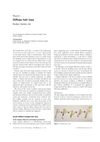 83 citations
,
May 1999 in “International Journal of Dermatology”
83 citations
,
May 1999 in “International Journal of Dermatology” Hair loss that spreads out can often fix itself or be treated by finding and handling the cause.
 77 citations
,
March 2001 in “Clinics in Dermatology”
77 citations
,
March 2001 in “Clinics in Dermatology” Androgenetic alopecia involves genetics, hormones, and can be treated with medications or surgery.
 73 citations
,
June 2001 in “Endocrinology”
73 citations
,
June 2001 in “Endocrinology” Prolactin affects when mice shed and grow hair.
 62 citations
,
July 1993 in “Journal of Investigative Dermatology”
62 citations
,
July 1993 in “Journal of Investigative Dermatology” Hair growth is influenced by interactions between skin layers, growth factors, and hormones, but the exact mechanisms are not fully understood.