January 2025 in “International journal of research studies in biosciences” Mitochondrial dysfunction and oxidative stress may play a role in Lichen Planopilaris.
 July 2003 in “Journal of Cutaneous Medicine and Surgery”
 Various skin conditions can be treated effectively with different methods, such as discontinuing certain drugs, using specific vaccines, applying creams, and changing lifestyle habits like smoking and drinking.
1 citations
,
January 2020 in “Skin Appendage Disorders” Treatment with methotrexate and prednisolone led to complete hair regrowth and no relapse for 2 years.
 September 2021 in “CRC Press eBooks”
 Lichen planopilaris causes permanent hair loss and scarring due to damage to hair follicles and can be mistaken for other hair loss conditions.
 1 citations
,
March 2015 in “Journal of the European Academy of Dermatology and Venereology”
1 citations
,
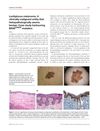
March 2015 in “Journal of the European Academy of Dermatology and Venereology” A clinically suspected melanoma appeared benign under the microscope but was confirmed by specific tests and a rare mutation.
 July 2018 in “Elsevier eBooks”
 Lichen Planopilaris is a hair loss condition best treated early with various medications, including hydroxychloroquine, to prevent permanent baldness.
September 2021 in “CRC Press eBooks” Erosive pustular dermatosis of the scalp causes painful, scarring skin lesions on the scalp, mainly in elderly people with sun-damaged skin.
 January 2020 in “International Journal of PharmTech Research”
 A man with severe leprosy developed painless ulcers and numbness, treated successfully with multiple drugs and vitamins.
 March 2020 in “Clinical research in dermatology”
 Two unusual cases showed that Lichen Planopilaris can look like other skin conditions and need early treatment to protect hair.
January 2005 in “Digest of the World Core Medical Journals” Oral zinc gluconate and topical steroids significantly improved a rare scalp condition in three elderly patients.
May 2025 in “The Journal of Rheumatology” Bullous lupus can cause severe esophageal issues but responds well to corticosteroids and azathioprine.
 May 2015 in “Journal of The American Academy of Dermatology”
 A woman with Parry-Romberg syndrome developed new curly hair on one side of her scalp, a condition not previously linked to the syndrome.
14 citations
,
January 2015 in “Skin Appendage Disorders” Brazilian keratin treatment can cause severe skin reactions.
June 2025 in “Dermatologic Surgery” Surgery can effectively treat severe eyelid turning out caused by a rare skin disorder.
October 2019 in “European Journal of Dermatology” The boy's hair and skin color differences are due to a pigmentation disorder.
1 citations
,
May 2022 in “European Journal of Dermatology” Longer treatment with vismodegib lowers relapse risk in basal cell carcinoma.
4 citations
,
September 2011 in “Journal of the American Academy of Dermatology” A man developed a skin cancer called folliculotropic mycosis fungoides after a kidney transplant.
 1 citations
,
December 2018 in “Journal of cutaneous pathology”
1 citations
,
December 2018 in “Journal of cutaneous pathology” Some skin growths with mucin can form hair follicles and resemble skin cancer, but a special stain can help tell them apart.
 1 citations
,
January 2023 in “Journal of Drugs in Dermatology”
1 citations
,
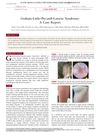
January 2023 in “Journal of Drugs in Dermatology” Early detection of Graham-Little-Piccardi-Lasseur syndrome is key for better management.
 June 2024 in “British Journal of Dermatology”
 KRT14 gene variants cause dermatopathia pigmentosa reticularis, affecting nails, teeth, and hair.
 23 citations
,
January 2005 in “Nihon Ishinkin Gakkai zasshi”
23 citations
,
January 2005 in “Nihon Ishinkin Gakkai zasshi” Nested PCR can reliably identify fungal infections when traditional methods fail.
1 citations
,
February 2023 in “Pediatric Dermatology” Early recognition of symptoms is crucial for treating IPEX syndrome with a stem cell transplant.
 September 2025 in “Ukrainian Journal of Dermatology Venerology Cosmetology”
 Early diagnosis and treatment can stop hair loss and prevent scalp damage in pseudopelade of Brocq.
Lichen planus commonly affects middle-aged adults, often involves limbs and mucosal areas, and can be linked to immune diseases.
 12 citations
,
June 2010 in “Journal of dermatology”
12 citations
,
June 2010 in “Journal of dermatology” Some patients with severe alopecia areata developed skin darkening from their treatment, which may indicate a less effective response to the therapy.
 February 2023 in “Research Square (Research Square)”
 Genetic testing confirmed a rare skin disorder in a young girl, which improved with zinc supplementation.
July 2025 in “Case Reports in Dermatology” Early detection and treatment are crucial to prevent irreversible hair loss in Lichen Planopilaris.
 August 2025 in “JEADV Clinical Practice”
 PRIDE complex side effects from EGFR inhibitors can be managed without stopping treatment.
November 2018 in “Journal of Investigative Dermatology” Lichen Planopilaris causes irreversible hair loss due to immune attacks on hair stem cells, but modulating PPAR-γ might help treat it.
 4 citations
,
May 2020 in “Journal of The American Academy of Dermatology”
4 citations
,
May 2020 in “Journal of The American Academy of Dermatology” Cicatricial pattern hair loss is likely advanced common baldness, not a type of lichen planopilaris.