 April 2026 in “International Journal of Molecular Sciences”
 Wnt signaling is crucial for skin, hair, and nail health and regeneration.
February 2026 in “JDDG Journal der Deutschen Dermatologischen Gesellschaft” Improved collaboration and education between dermatologists and oncologists can enhance care for chemotherapy-related hair loss.
 September 2025 in “PubMed”
 Prevent persistent hair loss after chemotherapy with scalp cooling and early minoxidil use.
August 2025 in “Skin Appendage Disorders” Low-dose oral minoxidil might help with hair loss during chemotherapy, but more research is needed.
 January 2025 in “Applied Sciences”
 Sulforaphane from broccoli may help treat certain cancers, hormone issues, and hair loss.
December 2024 in “IntechOpen eBooks” Drug repurposing speeds up development, cuts costs, and uses known safe drugs, but faces challenges like regulations and patents.
 September 2024 in “Current Oncology”
 Docetaxel often causes hair loss, with limited effective treatments and no cure for permanent hair loss.
 February 2024 in “Scientific Reports”
 Topical minoxidil and dietary supplements improved hair regrowth in children with hair loss from chemotherapy.

Oral Minoxidil could be a safe and effective alternative treatment for various non-androgenic alopecias.
16 citations
,
June 2018 in “JAAD case reports” A JAK inhibitor improved both severe hair loss and chronic skin disease in one patient.
 25 citations
,
November 2022 in “British journal of dermatology/British journal of dermatology, Supplement”
25 citations
,
November 2022 in “British journal of dermatology/British journal of dermatology, Supplement” Baricitinib for severe alopecia areata is generally safe, with common side effects like infections and acne, and low rates of serious complications.
 13 citations
,
November 2021 in “Pediatric Dermatology”
13 citations
,
November 2021 in “Pediatric Dermatology” Tofacitinib taken by mouth helps treat hair loss in children.
 9 citations
,
May 2013 in “JAMA Dermatology”
9 citations
,
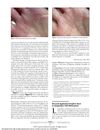
May 2013 in “JAMA Dermatology” Sunlight exposure improved a patient's skin condition, and there may be a link between a certain disease and skin growths; a leukemia treatment caused changes in hair color and growth.
July 2026 in “Theranostics” The study presents a ferritin-based nanocage (LR@Fn) as a novel co-delivery system for protecting hair cells and attenuating hearing loss. This system effectively delivers small molecules RG108 and LLY283 directly to the inner ear, overcoming challenges like poor cellular uptake and off-target toxicity. In models of neonatal cisplatin and adult noise-induced hearing loss, LR@Fn demonstrated superior protection of hair cells, reduced synaptic damage, and decreased apoptosis compared to dexamethasone. The treatment also activated the Wnt/β-catenin pathway, contributing to its protective effects. LR@Fn shows promise as a biocompatible platform for targeted inner-ear therapy across various forms of hearing loss.
8 citations
,
January 2017 in “Dermatology online journal” Tofacitinib helped psoriasis but not alopecia universalis, needing more research.
 January 2025 in “Transplantation”
 Stopping antifungal prophylaxis after 1 year may be safe for low-risk transplant patients.
39 citations
,
August 2022 in “Pharmaceutics” Combining letrozole and quercetin in spanlastics may improve breast cancer treatment.
 June 2023 in “jurnal veteriner”
 The combination of Typhonium flagelliforme extract and natural interferons effectively reduces tumor growth in mice.
 30 citations
,
June 2008 in “Dermatologic Surgery”
30 citations
,
June 2008 in “Dermatologic Surgery” The SAFE System may improve hair transplant results but isn't suitable for everyone.
1 citations
,
January 2012 in “InTech eBooks” Treating acute myeloid leukemia is challenging, especially in older adults, despite some advancements.
January 2026 in “RSC Medicinal Chemistry” 2,5-DBH shows promise for improving drugs in cancer, brain disorders, and infections.
 3 citations
,
April 2016 in “Journal of Investigative Dermatology”
3 citations
,
April 2016 in “Journal of Investigative Dermatology” Tofacitinib, a JAK inhibitor, improved hair regrowth in most patients with severe alopecia areata and had minimal side effects.
November 2022 in “Indian Journal of Dermatology” Azole antifungals can cause skin reactions like EAC, requiring careful management.
Farudodstat may effectively treat alopecia areata by protecting hair follicles without harmful effects.
![[4-t-Butylphenyl]-N-(4-imidazol-1-yl phenyl)sulfonamide (ISCK03) Inhibits SCF/c-kit Signaling in 501mel Human Melanoma Cells and Abolishes Melanin Production in Mice and Brownish Guinea Pigs](/images/assets/4eb017dc-711d-4926-bcd0-c3b8f48e3a99/small/19974.jpg) 26 citations
,
July 2007 in “Biochemical Pharmacology”
26 citations
,
July 2007 in “Biochemical Pharmacology” ISCK03 stops melanin production in human melanoma cells and lightens skin color in mice and guinea pigs.
 September 2025 in “Dermatology and Therapy”
 Baricitinib is a promising treatment for alopecia areata in the UAE, but there are challenges with data and access.
 69 citations
,
February 2021 in “PLoS Computational Biology”
69 citations
,
February 2021 in “PLoS Computational Biology” Securinine and ajmaline may effectively treat liver cancer, with securinine being less toxic to normal cells.
 1 citations
,
April 2015 in “Cytokine”
1 citations
,
April 2015 in “Cytokine” Finasteride improves immune response and reduces organ damage after trauma hemorrhage in mice.
 June 2017 in “Journal of the American Academy of Dermatology”
 Tofacitinib is effective and safe for treating severe alopecia areata and related conditions.
 July 2026 in “World Journal of Advanced Research and Reviews”
 Scalp necrosis after hair transplant was healed in two weeks with wound care and light therapy.